? Are Rambo electric bicycles equipped with fat tires for better grip?

Is The Rambo Electric Bicycle Equipped With Fat Tires For Better Grip?
You’re likely asking this because traction matters a lot when you ride off-road, on sand, over snow, or on loose gravel. Rambo Electric Bicycles are known for rugged, utility-focused eBikes, and tire choice is one of the key factors that affects grip and ride confidence.
Quick answer up front
Many Rambo models do come equipped with fat tires that enhance grip and stability, but tire size and tread vary by model and production year. You should check the specific model specifications or contact the dealer to confirm the exact tire width, tread pattern, and wheel diameter for the model you’re considering.
What do people mean by “fat tires”?
You probably picture very wide tires when you hear “fat tires,” and that image is accurate. Fat tires are significantly wider than standard bicycle tires and are commonly 3.8″–5.0″ (and sometimes wider). They provide a larger contact patch with the ground, which generally improves traction and floatation on soft or loose surfaces.
Why width matters for grip
You’ll get more surface area on the ground with a wider tire, which spreads the bike’s weight and reduces the tendency to sink on sand, snow, or loose dirt. That increased contact patch also helps the tire bite into softer terrain and improves stability when cornering slowly or standing on the pedals.
Are fat tires standard on Rambo Electric Bicycles?
You should know that Rambo offers a range of models tailored for hunting, hunting-season transport, utility, and off-road recreation. Many of these models are equipped with fat tires, but not every Rambo model uses the same tire size or tread.
Typical Rambo tire offerings
Most of the Rambo lineup you’ll see in recent years includes tires in the 3.0″–4.5″ range. The exact tire width and wheel diameter can depend on whether the model is a hunting-specific bike, a full-size off-road cruiser, or a step-through/compact model.
Model overview — common Rambo tire sizes
Here’s a table summarizing typical tire sizes you might find across Rambo models. Use this as a general guide, not as a replacement for checking current product specs.
| Rambo model family (typical) | Typical wheel diameter | Typical tire width (approx.) | Use case |
|---|---|---|---|
| Hunting / Big Game models (e.g., R750 series variants) | 26″ | 4.0″ | Traction on mud, snow, and uneven hunting terrain |
| Compact / Step-through models | 20″–24″ | 3.0″–4.0″ | Maneuverable, still good on rough trails |
| Cargo / Utility models | 26″ or 24″ | 3.5″–4.5″ | Load stability, mixed surfaces |
| Trail / Performance variants | 26″–29″ | 2.8″–3.5″ | Faster rolling, lighter off-road use |
How to interpret the table
You’ll notice hunting and utility models emphasize wider tires for better grip and floatation. Trail-focused variants sometimes use slightly narrower, faster-rolling tires that still provide traction but reduce rolling resistance.
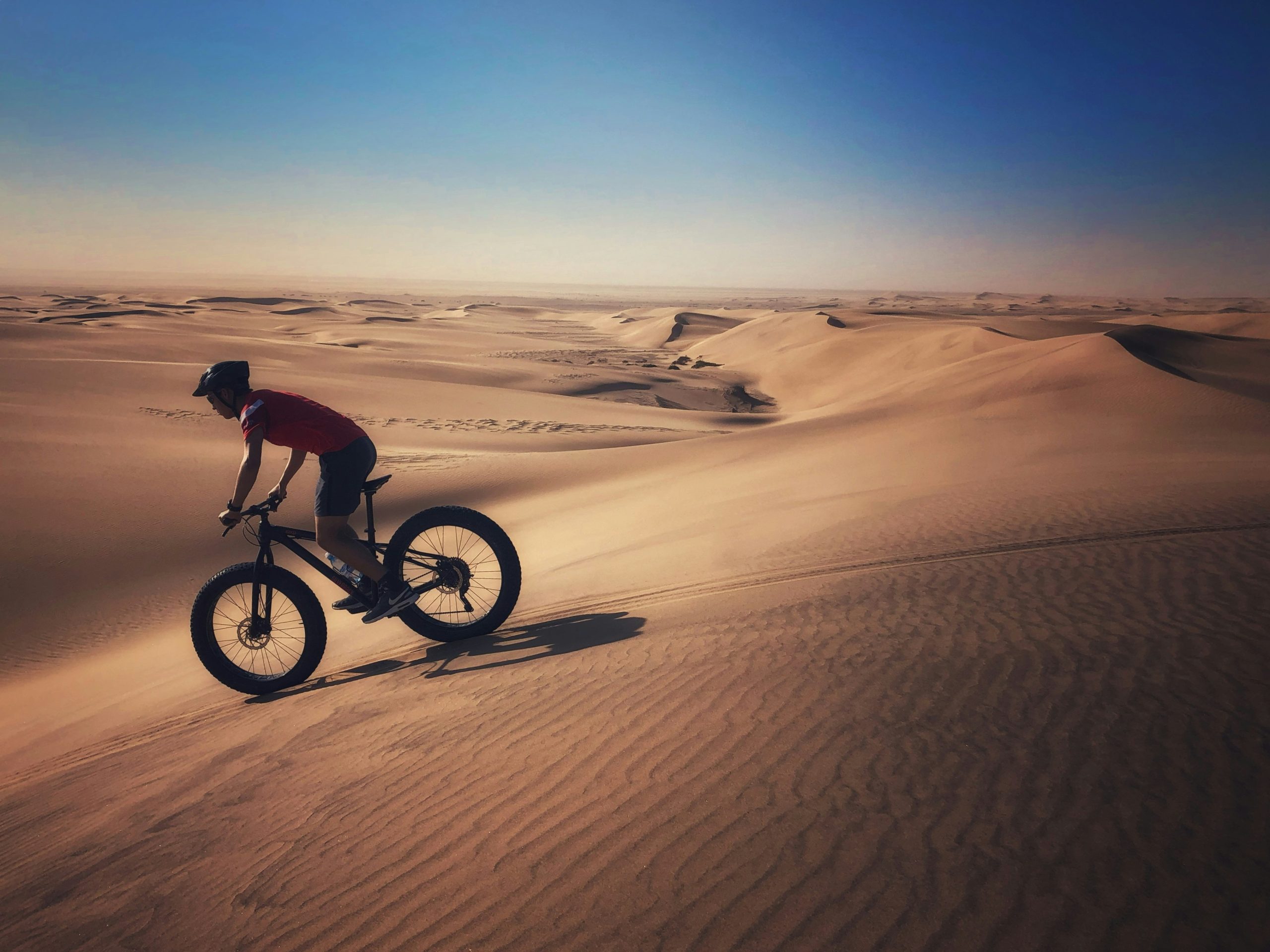

How fat tires improve grip — the mechanics
You’ll want to understand not just that fat tires grip better, but why they do. Grip comes from how the tire contacts and interacts with the surface.
Contact patch and pressure
Fat tires create a larger contact patch at lower air pressures. That patch lets the tire conform to irregular surfaces and increases the frictional area. Lower pressures also allow the tire to deform over obstacles rather than bounce off them.
Tread pattern and sidewall
Tire grip also depends heavily on tread design and sidewall stiffness. Larger knobs and aggressive siping help on loose or muddy ground, while a softer compound can improve bite. Sidewall stiffness affects cornering stability; you’ll feel the difference when leaning or pushing through turns.
Trade-offs: grip versus rolling resistance and speed
If you want maximum grip, fat tires are a strong choice. But you should also consider trade-offs you may notice on other types of terrain.
Rolling resistance and efficiency
You’ll likely experience higher rolling resistance with fat tires, especially when inflated to higher pressures. That means you may use more battery power on a Rambo eBike when riding on pavement or hard-packed trails.
Weight and handling
Fat tires are heavier and increase rotational mass, which changes acceleration and climbing feel. Handling at higher speeds on smooth surfaces tends to feel slower and less lively compared to narrower tires.
Tire pressure guidance for better grip
You can tune traction a lot by adjusting tire pressure. Here’s a practical table to use as a starting point.
| Terrain | Suggested tire width | Suggested pressure (PSI) | Notes |
|---|---|---|---|
| Sand / Snow | 4.0″–5.0″ | 4–10 PSI | Very low pressure for max floatation; beware pinch flats if rims are exposed |
| Loose dirt / Mud | 3.5″–4.5″ | 8–12 PSI | Lower pressure increases composure and traction |
| Mixed trails | 3.0″–4.0″ | 12–18 PSI | Balance between grip and efficiency |
| Pavement / Hardpack | 3.0″–4.0″ | 20–35 PSI | Higher pressure reduces rolling resistance |
How to adjust pressure safely
You should reduce pressure incrementally and test ride to find the sweet spot. Low pressures increase puncture risk, so consider tubeless setups or reinforced tires if you routinely ride with very low pressure.
Tread choices and grip performance
Tread pattern matters as much as width. You’ll want to match tread to the surface you ride most often.
Aggressive knobby tread
If you’ll be spending time in mud, loose dirt, or on trails with roots and ruts, aggressive knobby tread gives better bite and self-cleaning properties.
Semi-slick and center tread
For mixed use where some pavement is involved, a semi-slick center with knobbier edges gives a good compromise: lower rolling resistance plus cornering traction.
Sand-specific treads
Sand tires may have a more paddle-like or widely spaced tread to push through sand rather than dig into it. Wider tires with a flatter profile help with flotation.

Tubeless vs. tube setups
If you want to run low pressures reliably, tubeless setups are often the best option. You should know the pros and cons.
Why you might go tubeless
Tubeless allows you to run lower pressure with reduced pinch-flat risk and the ability to use sealant to self-seal small punctures. That improves grip and comfort.
Considerations for tubeless conversion
You’ll need tubeless-compatible rims and tires or a conversion kit. Installation and maintenance require sealant monitoring, and sudden large punctures can still be problematic.
Suspension, rims, and frame compatibility
Switching tire sizes or upgrading to wider tires requires checking whether your Rambo frame and fork have the clearance and whether rims and hubs support the tires.
Frame and fork clearance
You should measure the available gap between tire and frame/fork. Wider tires may rub under mud buildup or when the wheel flexes.
Rim width and tire bead match
Tires perform best when mounted on rims with an appropriate internal width. Too narrow a rim can make a fat tire behave poorly or bead improperly; too wide a rim can flatten the profile excessively.
Brake rotor and hub spacing
Ensure that any wheel change maintains correct hub spacing and brake alignment. Hydraulic brakes may need rotor sizes and caliper positioning checked for new wheel setups.
Upgrading to fat tires — what you need to check
If you’re thinking about upgrading a Rambo model that didn’t originally come with very wide tires, follow this checklist.
Compatibility checklist
- Frame and fork clearance for desired tire width
- Wheel diameter match (20″, 24″, 26″, etc.)
- Rim internal width suitable for the tire width
- Hub spacing and axle type compatibility
- Brake compatibility (disc rotor size and caliper clearance)
- Chainstay and seatstay clearance for tire plus mud/dirt buildup
Practical steps
You should measure the current clearance, consult the manufacturer, and possibly speak with a bike tech. Sometimes swapping to a slightly wider tire is simple; other times it requires a wheelset or fork change.
How tire choice affects battery and motor performance
You’ll want to think about how fat tires affect range and motor load.
Increased energy demand
Wider tires and aggressive tread increase rolling resistance and aerodynamic drag, which makes the motor work harder and can reduce range. If you ride mostly on pavement, expect to see a noticeable drop in distance per charge.
Torque benefits for low-speed traction
On climbs, mud, or sand, wider tires and low pressure can actually help you maintain momentum at lower speeds, reducing repeated acceleration bursts that would otherwise drain the battery.

Maintenance tips for fat tires
You should adopt a few habits to keep fat tires performing well.
Routine checks
Check pressure before each ride; inspect sidewalls and tread for cuts and embedded debris; and make sure spokes are properly tensioned.
Sealant and puncture repair
If you’re tubeless, keep an eye on sealant levels and top up periodically. Carry a tubeless repair kit or a spare tube and pump if you run tubes.
Cleaning and winter care
Clean mud and grit regularly, especially after rides in salty conditions. Salt and grit can accelerate corrosion on rims and hubs.
Are fat tires safer for hunting or utility use?
For your hunting or utility use, fat tires provide several practical benefits that align with Rambo’s intended audience.
Advantages for hunters and utility riders
You’ll appreciate the ability to move quietly at low speed over soft ground, maintain traction with a loaded bike, and access remote spots without getting bogged down.
Noise and stealth considerations
Lower tire pressure can also reduce noise on some surfaces. However, aggressive tread can be noisier on pavement. If stealth is critical, choose a tread pattern that balances quietness with off-road bite.
Aftermarket tires and where to buy them
If you decide to change tires, you’ll find many aftermarket choices optimized for performance, weight, or puncture resistance.
Popular aftermarket brands and options
Look for well-known tire brands offering fat eBike-specific options and ensure the tire is rated for eBike use and the speeds you intend to ride.
Buying tips
You should check tire load ratings and e-bike compatibility. Confirm that the tire’s circumference and gearing won’t confuse any speed sensors or odometers on your eBike.
Legal and classification considerations
While tire size itself rarely affects eBike legality, changes that boost top speed or modify power components can change the bike’s classification.
What to watch for
You should avoid modifications that increase motor power beyond legal limits in your jurisdiction. Tire upgrades that encourage higher safe speeds do not change the legal power limits but could make you cross into different regulatory classes if motor or battery upgrades are also performed.
Real-world performance examples
Here are a few scenarios that may match what you plan to do, with practical feedback on tire performance.
Sand or coastal riding
You’ll want wide tires (4.0″–5.0″) at low pressure. Fat tires will help you float across sand, reduce stalling, and keep battery consumption reasonable compared with a narrow tire digging in.
Snow and winter
You should run fat tires with knobby or studded options if traction is critical. Low pressure increases grip, but watch for ice—studs provide the best bite on hard-packed icy surfaces.
Hunting trails and mud
Fat tires with aggressive tread and lower pressure help you power through roots, ruts, and mud without losing traction or getting stuck. They also make for a smoother, more controlled ride when loaded with gear.
Frequently asked questions (FAQ)
You’ll likely have some specific questions; below are common ones and clear answers.
Do all Rambo bikes come with fat tires?
No. Many Rambo models do come with fat tires, especially hunting and utility variants, but tire widths vary. Always confirm the tire spec for the exact model year and configuration you’re interested in.
Can I change my Rambo’s tires to wider ones?
Possibly, but you need to check frame and fork clearance, rim compatibility, braking, and hub spacing. Some bikes can accept slightly wider tires; others need wheel or fork swaps.
Will fat tires reduce my eBike range?
Typically yes, especially on pavement. The extent depends on tire width, tread, pressure, and riding conditions. On soft surfaces fat tires may improve efficiency by preventing wheel spin and repeated stalls.
Are tubeless tires recommended for fat eBikes?
Yes, tubeless setups are recommended if you run low pressures frequently. They reduce pinch-flat risk and allow you to use sealant for minor punctures.
How often should I check tire pressure?
You should check pressure before each ride or at least once a week, depending on use. Tire pressure can change with temperature and normal slow leakage.
Buying tips and what to ask the dealer
You’ll get the best result by asking focused questions when comparing models or buying tires.
Questions to ask
- What is the exact tire size and model on this bike?
- Are the rims tubeless-ready?
- What is the recommended tire pressure for common terrains?
- Will the bike accept wider tires if I later upgrade?
- Is the wheelset compatible with the brakes and hub spacing I plan to use?
Purchase strategy
If you ride a lot on mixed terrain, choose a model with tires that match your primary use or plan for a second wheelset/tires so you can switch setups quickly.
Final considerations and practical recommendation
When you’re deciding whether a Rambo electric bicycle is right for you, consider where you’ll ride most often, whether you need low-pressure flotation, and whether you value top-speed efficiency or maximum traction.
Bottom line
You should expect many Rambo models to arrive with fat tires designed for enhanced grip and utility use, but tire size, tread, and wheel diameter vary by model. Confirm specs, and if you plan to upgrade tires, check compatibility and consider tubeless options for the best low-pressure performance.
Summary
You’ve learned that fat tires deliver improved grip through a larger contact patch, lower running pressure, and appropriate tread patterns. Rambo models commonly use fat tires especially on hunting and utility bikes, but specifications vary, so you should verify for the exact model. You can optimize traction through tire choice, pressure, and possibly tubeless conversion, while balancing the trade-offs of rolling resistance and battery range.
If you have a specific Rambo model in mind, tell me the model name and year and you’ll get a tailored breakdown of its tire specs, upgrade options, and recommended pressures for the surfaces you plan to ride.
