Are you wondering whether a Rambo electric bicycle can handle the steep, rugged demands of hunting in hilly country?
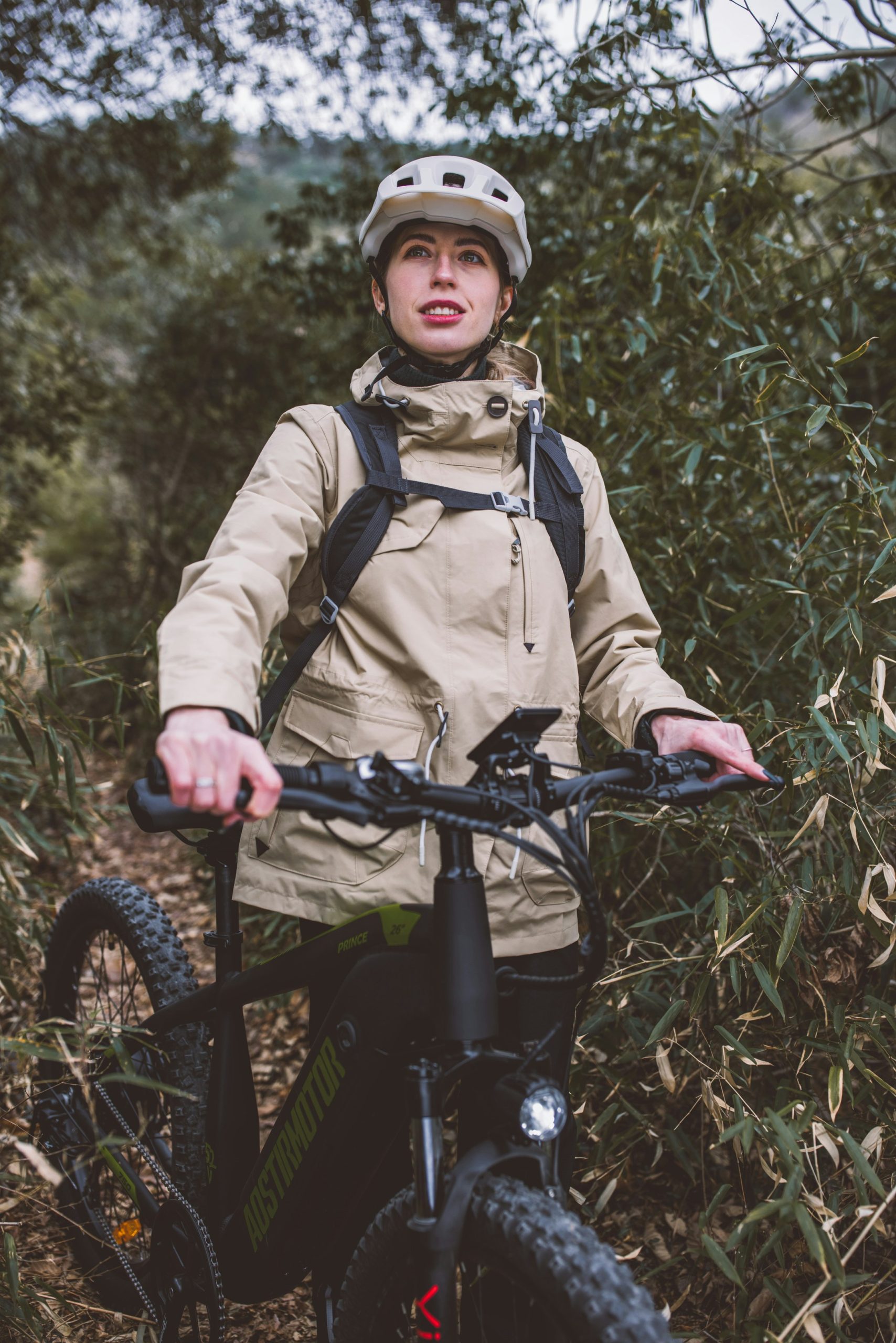

Is The Rambo Electric Bicycle Suitable For Hunting In Hilly Areas?
You’ll want a clear, practical answer before committing to a Rambo electric bicycle for hilly hunting. The short version: many Rambo models are designed for off-road, hunting-focused use and can be very capable in hilly terrain, but suitability depends on the specific model, the grade and technicality of the hills, how much gear you carry, and local regulations.
Understanding the Rambo electric bicycle line
You should start by understanding what the Rambo line offers and how its components affect performance. Rambo markets purpose-built hunting e-bikes with beefy frames, large batteries, aggressive tires, and motors aimed at off-road riding, but specs vary by model and year.
Typical specifications and what they mean for you
Most Rambo bikes feature high-capacity batteries (48V systems are common), motors in the 500–1500W range (nominal), wide fat tires for flotation and traction, and sturdy frames for hauling gear. Those elements are beneficial in hilly conditions because they provide power, traction, and payload capacity.
| Component | Typical Rambo characteristic | Why it matters for hilly hunting |
|---|---|---|
| Motor power | 500–1500W nominal (peak higher) | Higher power helps with steep climbs and moving a loaded bike |
| Battery | 48V, 10–20+ Ah | Larger batteries give more range and reserve for prolonged climbs |
| Tires | 4.0″–4.8″ fat tires | Floatation and traction on loose, rocky, or muddy surfaces |
| Suspension | Rigid to front suspension; some models full-susp | Suspension absorbs rough terrain and reduces rider fatigue |
| Weight | Heavier frames (60–90+ lbs) | Strength and payload capacity but more effort for pedaling and transport |
| Cargo solutions | Rear racks, frame bags, panniers | Allows you to carry hunting gear and game |
What hunting in hilly areas requires
You should consider specific demands of hilly hunting: sustained climbs, frequent elevation changes, technical rocky or rooty trails, and the need to transport gear and, at times, harvested game. You also need low noise and minimal scent disturbance when stalking.
Terrain types and challenges
Hilly hunting often includes steep grades (10–30%+), narrow trails with roots and rocks, loose scree, mud, seasonal snow, and long approaches. These conditions stress motor torque, battery output, traction, and rider skill.
Hunting styles and how they affect bike use
Different hunting approaches change the demands on your bike. If you do spot-and-stalk, you’ll need mobility and stealth for quick repositioning. If you set up near a stand, you may prioritize cargo capacity for hauling gear and a harvested animal out.

Key performance factors for hilly hunting
When evaluating a Rambo for hilly hunting, focus on a few critical elements that determine real-world capability.
Motor torque and power delivery
You’ll want a motor that can deliver sustained torque rather than just top speed. Torque helps you maintain momentum on steep grades while carrying weight. Hub motors provide immediate thrust; mid-drive motors (if available) can use the bike’s gears for better climbing efficiency.
Battery capacity and usable range
Battery capacity (expressed in watt-hours, Wh) directly affects how long you can climb and how far you’ll travel between charges. Hilly riding draws more current than flat riding, so range on climbs can be much less than manufacturer estimates. Carrying a spare battery or choosing a higher-capacity pack is a smart move.
Drivetrain and gearing
You should have a wide gear range to keep your cadence in an efficient zone on both climbs and flats. Bikes with multi-gear drivetrains allow you to combine pedaling with electric assist to conserve battery. Low gearing is especially important when you’re loaded.
Weight, payload, and center of gravity
Rambo bikes are often heavy, and your hunting gear adds more weight. You need to manage payload placement to preserve balance and prevent flipping on steep descents. A lower, centered load makes the bike more stable.
Tires, traction, and ground contact
Fat tires increase traction and flotation on soft surfaces and help you maintain momentum on steep, uneven trails. Tire pressure adjustments and tubeless setups can reduce pinch flats and improve grip.
Suspension and chassis stiffness
Suspension reduces rider fatigue and improves wheel contact with the ground, which is essential in technical hilly terrain. A rigid frame saves weight but may transfer more shock to you, affecting comfort and speed.
Braking and control
You’ll want powerful, reliable hydraulic disc brakes for controlled descents while carrying a heavy load. Anti-lock or modulation-friendly brakes let you manage traction on loose surfaces.
Noise and stealth
You should consider how loud the motor and drivetrain are. A quieter setup helps you approach game without spooking it, and noise generally increases at higher RPMs or under heavy throttle.
How hills affect range and performance
You need to understand that climbing drains batteries faster than flat riding, and heavier loads multiply that effect. Elevation gain is the dominant factor in energy consumption.
Estimating range on hilly terrain
As a rough rule, aggressive uphill riding can reduce range by 30–60% compared to flat terrain because power demand increases dramatically when climbing. Your final range will depend on rider input, battery size, motor efficiency, and terrain steepness.
Gradeability: what to expect
A high-power motor with high torque and appropriate gearing should handle 20–30% grades when unloaded; with a heavy load you should expect reduced speed and more battery draw. Extremely steep, technical slopes may require hopping off and pushing.
| Grade (%) | Typical expectation (loaded) |
|---|---|
| 0–5 | Cruise comfortably; low power draw |
| 5–12 | Sustained pedal-assist climbs, moderate battery use |
| 12–20 | Requires strong motor torque; slower speeds; high battery use |
| 20–30+ | Technical; may require pushing; significant battery drain |
Pros and cons of using a Rambo e-bike for hilly hunting
You have to weigh advantages and disadvantages in context of your hunts.
Advantages
- Power and payload: Rambo bikes are built to haul you and gear, often with robust motors and frames.
- Off-road capability: Fat tires and aggressive geometry improve traction and control.
- Range potential: Large batteries give you reserve for long approaches, especially if you carry a spare.
- Reduced effort: You can access more terrain with less fatigue, enabling longer scouting or multiple stand relocations in a day.
Drawbacks
- Weight and transport: Heavy bikes can be difficult to carry and load onto vehicles or trailers.
- Battery drain on climbs: Expect reduced range in continuous uphill terrain.
- Trail restrictions: Many public lands restrict motorized use—legal access matters greatly.
- Noise and scent: Motor noise and rider activity can alert game if not managed.
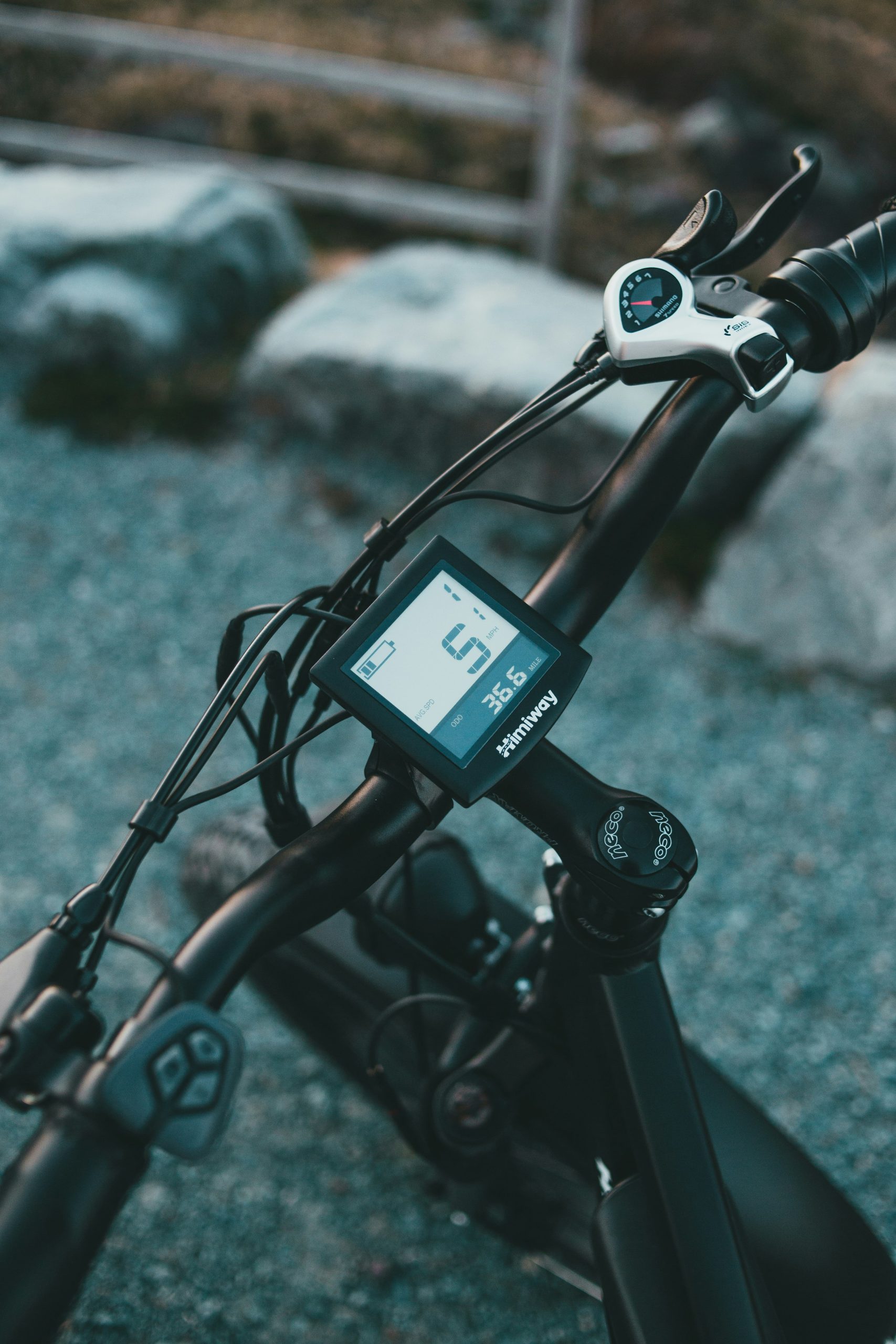
Legal and land-management considerations
You must always check local, state, and federal rules about motorized use on trails and in hunting units. Some areas classify electric bikes as motorized vehicles and prohibit them on certain trails or hunting areas. Hunting regulations may also restrict mechanical assistance for game transport.
Questions to ask before you ride
- Are e-bikes allowed in the hunting unit or on the trails you plan to use?
- Does the landowner or agency allow motorized hunting access?
- Are there season-specific restrictions or permit requirements?
- Do your hunting ethics align with using motorized assistance for retrieval or movement?
Practical hunting scenarios and how a Rambo performs
You’ll want an idea of real-world use cases to match your hunting style.
Spot-and-stalk in hilly country
You can use a Rambo to quickly reposition to a promising ridge or drainage. A quiet approach under pedal assist, careful throttle use, and stopping downwind of your target area make this method effective.
Stand hunting and pack-in setups
If you set up stands away from roads, a Rambo can haul a large pack and climbing sticks, reducing physical strain. You’ll be able to carry heavier stands and multiple days of supplies.
Multi-day backcountry hunts
With a high-capacity battery and spare, you can cover multiple ridgelines and campsites, but you must plan charging opportunities or bring portable solar/charger setups. Carrying a harvested animal will reduce range and requires good cargo solutions.
Retrieving game
You can haul game out on an e-bike if legal where you hunt. Plan for secure, balanced mounting and be aware that dragging or hoisting heavy loads stresses the motor and battery.
Recommended setup and accessories for hilly hunting
You should outfit your Rambo for durability, convenience, and stealth.
Essential accessories
- Spare battery or external power pack for extended range
- High-capacity rear rack and low-center-of-gravity panniers
- Gun or bow mounts designed for secure, silent carrying
- Tubeless-ready wheels with sealant to reduce flats
- Strong hydraulic brakes and quality rotors
- Handlebar bag or frame bag for snacks, layers, and navigation
- LED lights for low-light approaches and safety
- Compact pump, multi-tool, and patch kit
Optional but useful items
- Portable solar charger or backup generator
- Quiet chain lube and drip management to reduce sound
- Noise-damping handlebar wraps and saddle padding for comfort
- Tow strap or game sling for heavy retrievals
- GPS device with topographic maps and waypoints
| Priority | Accessory | Purpose |
|---|---|---|
| High | Spare battery | Extend range for long climbs and remote camps |
| High | Fat tubeless tires + sealant | Traction and puncture protection on rocky/hilly trails |
| High | Secure gun/bow mount | Safe and quiet transport of weapons |
| Medium | Rear rack + panniers | Carrying gear and harvested game with lower center of gravity |
| Medium | Hydraulic disc brakes | Safe controlled descents with heavy loads |
| Low | Portable solar panel | Off-grid charging for multi-day trips |
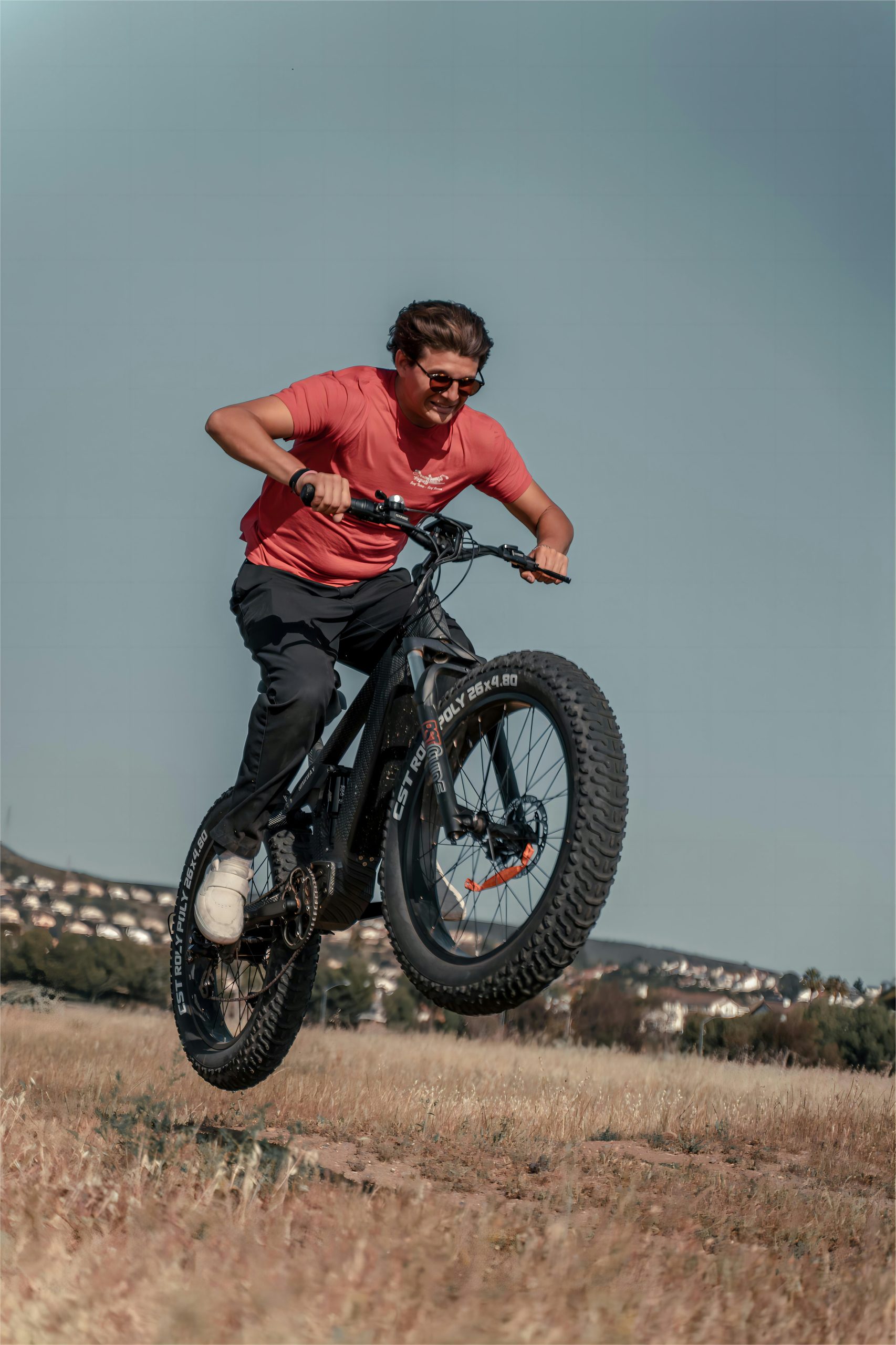
How to ride a Rambo in hilly terrain for hunting
You’ll benefit from technique as much as equipment. Smart riding extends your range and reduces chance of mechanical failure.
Climbing strategy
- Use a lower pedal-assist level with gearing to match cadence and conserve battery when possible.
- Maintain momentum into steep sections; restarting on a steep hill wastes energy.
- Shift early to preserve chain and drivetrain under load.
Descending strategy
- Keep your weight low and back to prevent front wheel tuck and maintain traction.
- Use both brakes progressively to control speed; avoid sudden, hard braking that locks wheels.
- Scan the trail ahead to choose lines that minimize wheel spin and sharp impacts.
Managing battery and power
- Map expected elevation gain to estimate energy usage; add a safety margin.
- Use pedal assist intermittently—pedal when you can to conserve battery for critical climbs.
- Turn off nonessential electronics like lights or GPS when not needed to save power.
Loading, balance, and carrying game
You must pack smart to keep the bike stable and your center of mass predictable.
Packing tips
- Keep heavy items low and centered over the bottom bracket or rear rack to maintain stability.
- Securely fasten loads to prevent shifting during climbs or descents.
- Use frame bags for tools and frequently used items to avoid unnecessary stops.
Carrying harvested game
- If legal, use a rear rack or purpose-built game cradle to carry quarters or whole animals.
- Consider breaking down the animal into manageable pieces to prevent overloading the bike and motor.
- Practice loading and riding with a similar weight to know how your bike handles before an actual retrieval.
Battery care, cold-weather tips, and charging strategies
Batteries are the lifeblood of any e-bike; cold and steep use will impact them.
Cold weather performance
- Batteries lose significant usable capacity in cold temperatures—store and transport them in insulated, warm spaces when possible.
- Keep spare batteries close to your body while moving to keep them warm.
- Plan for a reduced range in cold months and carry a larger margin of spare power.
Charging considerations
- Use manufacturer-approved chargers and avoid quick-charge methods that may compromise battery life.
- If you’re camping overnight, charge batteries in a warm tent or insulated box to improve efficiency.
- Portable solar chargers can top off batteries during long multi-day hunts but rely on sunlight and charge slowly.
Maintenance and field repairs
You should be prepared to handle common failures in the field to avoid being stranded.
Regular pre-ride checks
- Inspect tires for cuts and check pressure.
- Test brakes and check rotor alignment.
- Secure bolts, racks, and mounts.
- Ensure battery is fully seated and connectors clean.
Common field repairs
- Patch or replace tubes/sealant refresh for tubeless tires.
- Realign derailleurs and adjust cable tension if shifting becomes poor.
- Carry spare brake pads and basic tools to adjust brakes and handlebars.
- Bring zip ties and cordage for emergency gear fastening.
Safety and ethical considerations
Your safety and ethical conduct matter to both your success and the reputation of e-bike hunters.
Safety first
- Wear appropriate protective gear: helmet, gloves, eye protection, and layers for weather.
- Keep a first-aid kit and know basic wilderness first aid.
- Inform someone of your route and expected return, and carry a beacon or satellite communicator if hunting remote terrain.
Ethical considerations
- Use motor assistance responsibly—avoid motorized access in closed areas and abide by fair chase principles.
- Avoid using motorized advantage to interfere with other hunters or wildlife populations.
- If using a motor to retrieve game, ensure you’re following local game-handling regulations.
Comparing Rambo to alternatives
You should compare Rambo with other hunting e-bikes and bike types to know where it stands for your hunts.
Rambo vs other hunting e-bike brands
Rambo typically positions itself as a rugged, hunting-oriented brand with high-capacity batteries and heavy-duty frames. Other brands may offer lighter systems, different motor layouts (mid-drive vs hub), or more specialized suspension. Evaluate each bike’s torque, battery Wh, component quality, and available accessory ecosystem.
Rambo vs conventional mountain bikes or ATVs
Compared to a conventional mountain bike, a Rambo offers mechanical advantage and payload capacity that can transform a long approach into a manageable ride. Compared to an ATV, a Rambo is quieter, less soil-impacting, and more trail-friendly in places where ATVs are restricted, but it won’t replace the raw hauling capacity and speed of an ATV where those are legal and practical.
Checklist before your first hilly hunt on a Rambo
You should run through a checklist to reduce surprises.
- Confirm legal access and hunting rules for motorized/e-bike use.
- Charge primary and spare batteries to full; pack smart thermal wraps if cold.
- Inspect tires, brakes, drivetrain, and mounts.
- Pack tools, spare tube/sealant, pump, multi-tool, zip ties.
- Secure weapon mounts and test for quietness and stability.
- Practice riding loaded on similar terrain to learn handling.
- Plan route with topographic maps and emergency exit points.
Final verdict and recommendations
You can successfully use a Rambo electric bicycle for hunting in hilly areas if you match the model and setup to the terrain and hunting style. For steep, sustained climbs and long approaches, prioritize high torque, a large battery (high Wh), appropriate gearing, and a low center-of-gravity cargo setup. Always confirm local legality and be prepared for reduced range on intense uphill sections. With proper planning, conservative riding, and a few key accessories, a Rambo can extend your hunting range, reduce fatigue, and let you access places you might otherwise leave unexplored.
Quick recommendation summary
- If you frequently hunt steep and technical ridges with heavy packs, choose a model with high torque, strong brakes, and a large battery.
- For shorter, less steep hunts, a mid-range Rambo will be efficient and easier to handle.
- Always carry spare power for full-day or multi-day hilly hunts.
- Respect land rules and hunting ethics when using motor assistance.
You should test-ride a model loaded with gear to see how it performs on your typical terrain before committing. That hands-on experience will tell you more about climbability, handling, and comfort than specs alone.
