?Have you ever wondered exactly how long it takes to fully charge an electric bicycle battery you use for hunting?
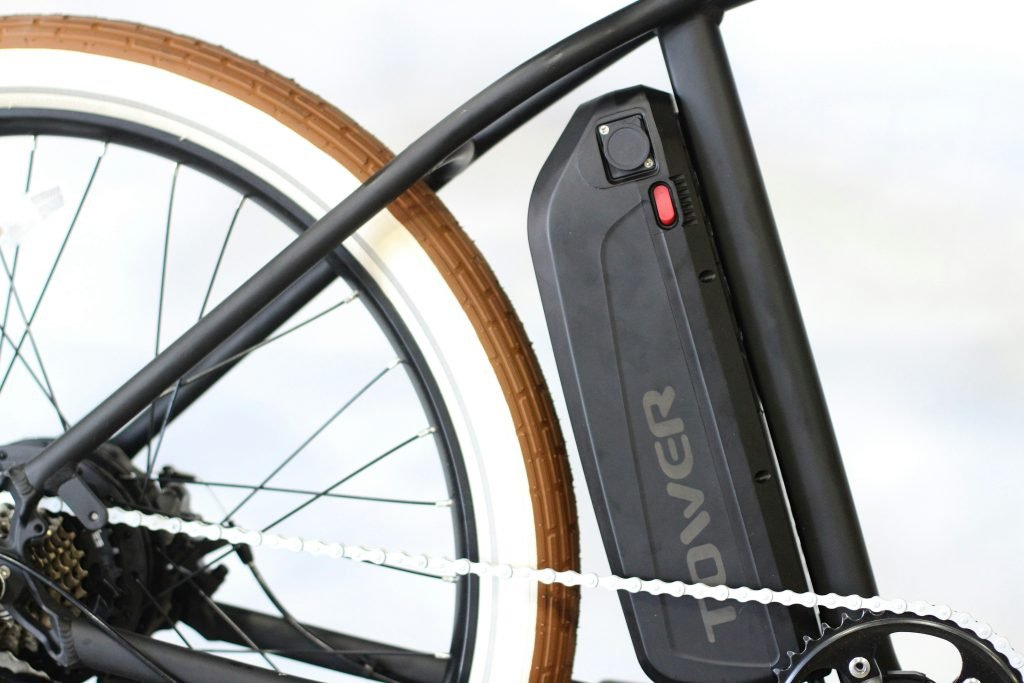

How Long Does It Take To Fully Charge An Electric Bicycle Battery Used For Hunting?
This article gives you a practical, detailed guide so you can plan your trips, manage battery life, and get the most out of your hunting e-bike. You’ll learn what affects charging time, how to estimate it, real-world examples, and best practices for charging in the field and at home.
Why charging time matters for hunting
When you’re out hunting, battery availability can determine your range, how quietly you approach game, and whether you can return to camp without pedaling the whole way. Knowing how long your battery takes to charge helps you schedule recharges, choose the right charger, and decide whether to carry spare batteries or a portable power source.
Main factors that determine charging time
Several interrelated factors define how long a full charge will take. Understanding each lets you make realistic estimates.
Battery capacity (Wh and Ah)
Battery capacity is usually expressed in watt-hours (Wh) or amp-hours (Ah) with a nominal voltage. Larger capacity batteries store more energy and take longer to charge. You should compare capacity in Wh when estimating charge times, because it accounts for voltage differences between battery packs.
Charger power output (W) and amperage (A)
The charger’s power output, typically presented as volts (V) and amps (A) or sometimes watts (W), sets the maximum rate at which energy can flow into the battery. A higher-wattage charger will charge a battery faster, up to the battery’s allowed charging rate. You’ll often see chargers like 2A, 4A, 5A, or higher. Multiply voltage by amperage to get watts.
Battery chemistry and BMS limitations
Most hunting e-bikes use lithium-ion (Li-ion) or lithium iron phosphate (LiFePO4) batteries. Chemistry affects safe charging rates. The Battery Management System (BMS) in the pack enforces limits for safety and longevity, so even if your charger can push a lot of current, the BMS may throttle the charge rate.
State of charge (SoC) and charging curve
Charging time depends on how empty the battery is when you start. Batteries charge faster at lower SoC and slow down as they reach full charge because of the constant-current/constant-voltage (CC/CV) profile. The final 10–20% often takes as long as the earlier 60–70%.
Temperature and environment
Cold batteries accept charge slower and may require special charging protocols. If you’re hunting in winter, charge time and effective capacity can be reduced. High temperatures also affect charging safety and may reduce the allowed charge rate.
Charger and battery compatibility and efficiency
Inefficiencies in the charger and battery cause energy losses—usually 10–15%—so charging from 0 to full will take more input energy than the nominal battery capacity. Make sure your charger is matched to the battery voltage and designed for e-bike packs.
Typical battery sizes and what they mean
Below are common hunting e-bike battery specs and what you can expect in real use. You’ll want to convert Ah and V to Wh to compare.
| Common pack spec | Wh (approx.) | Typical real-world use (rough) |
|---|---|---|
| 36V, 10Ah | 360 Wh | Short to moderate range; lighter pack |
| 48V, 10Ah | 480 Wh | Good balance of range and weight |
| 52V, 15Ah | 780 Wh | Longer range; heavier and bulkier |
| 72V, 20Ah | 1440 Wh | High range for long outings; heavy |
Use Wh = V × Ah to compare. If your battery lists only Ah, check the pack voltage before calculating Wh.
Charger types and common outputs
Different chargers will change charging times. The table below lists typical charger outputs and what they mean for charging speed.
| Charger rating | Typical output | Notes |
|---|---|---|
| 2A charger | ~72W at 36V | Slow; trickle/overnight charging |
| 4A charger | ~144W at 36V | Moderate; common for many e-bikes |
| 5A charger | ~180W at 36V | Faster; a good balance |
| 10A charger | ~360W at 36V | Fast charging; may stress battery if not supported |
| 20A+ chargers | >720W | High-power; usually for large packs or special setups |
Always use a charger rated for your pack voltage. Using a charger with too high voltage can damage the pack; using a too-low voltage charger will fail to charge.
Estimating charge time: simple calculation
A basic estimate for charging time (hours) is:
Charge time = Battery capacity (Wh) / Charger power (W) × (1 + inefficiency factor)
Use an inefficiency factor of 10–15% (multiply by 1.1–1.15) to account for losses.
Example: You have a 48V × 10Ah pack (480 Wh) and a 4A charger at 48V (≈192 W).
Charge time ≈ 480 / 192 × 1.12 ≈ 2.8 hours
Remember the CC/CV curve means the last portion takes longer; manufacturers often quote charge times that assume charging from low SoC.

Detailed charging time table for common packs and chargers
This table assumes a 12% inefficiency and starts from 10% SoC (not a dead battery), which is more realistic in the field.
| Battery pack (Wh) | 2A @ 36–48V (W) | Est. time (hrs) | 4A (W) | Est. time (hrs) | 10A (W) | Est. time (hrs) |
|---|---|---|---|---|---|---|
| 360 Wh | 72 W | 5.6 | 144 W | 2.8 | 360 W | 1.1 |
| 480 Wh | 72 W | 7.5 | 144 W | 3.8 | 360 W | 1.5 |
| 780 Wh | 72 W | 12.2 | 144 W | 6.1 | 360 W | 2.4 |
| 1440 Wh | 72 W | 22.5 | 144 W | 11.2 | 360 W | 4.4 |
Notes:
- W values depend on the actual voltage of the charger and pack; these are approximations.
- The 10A (360 W) charger is shown as a high-power example; your pack’s BMS must support that current.
Real-world examples for hunting e-bikes
You’ll find the experience of charging in the field differs from lab estimates. Here are typical scenarios and what you can expect.
Overnight camp recharge
If you stay in camp overnight and have access to AC power, using a 4A charger will often fully charge a mid-sized pack (480 Wh) in 3–4 hours, so you can afford to charge once in the evening and again before your next outing.
Short midday top-ups
If you need a top-up between hunts, a 1–2 hour charge on a 4A charger can recover a substantial portion of usable range. Remember that the fastest charging happens in the early portion of the curve, so short charges are efficient for restoring range.
Remote hunts with portable power
If you’re using a portable generator or battery station, your charging power might be limited. A 300–500W portable power station can charge many packs overnight, but if you have multiple packs or a very large pack, you’ll need higher capacity or longer charging windows.
Fast charging: pros and cons
Fast charging can get you back on the trail quickly, but there are trade-offs.
Advantages
- Rapid turnaround between outings.
- Useful in emergency situations or when you have limited downtime in camp.
Disadvantages
- Fast charging generates more heat, which stresses the cells.
- Repeated high-current charging can shorten battery lifespan.
- Not all packs/BMS systems support high current.
You should check your battery manufacturer’s recommendations before routinely using a high-amp charger.
Battery health: how charging speed affects longevity
You’ll extend battery life if you charge moderately and avoid extremes.
- Keep your battery between roughly 20% and 80% SoC for everyday conditioning; this reduces stress.
- Avoid charging to 100% frequently unless you need full range for a hunt.
- Avoid deep discharges to near zero regularly.
Charging slowly and within manufacturer limits protects cell chemistry and the BMS.
Charging safely in cold weather
Cold temperatures slow charge acceptance and can damage lithium chemistry if charged too quickly. Here’s how to handle charging when it’s cold:
- If possible, bring the battery into a warmer environment (inside a tent, heated vehicle, or insulated bag) before charging.
- Allow a cold battery to warm gradually and monitor the BMS. Some packs include temperature cutoff to prevent charging below safe thresholds.
- If you must charge a cold pack, use a lower current and be aware charging may take much longer and feel slower.
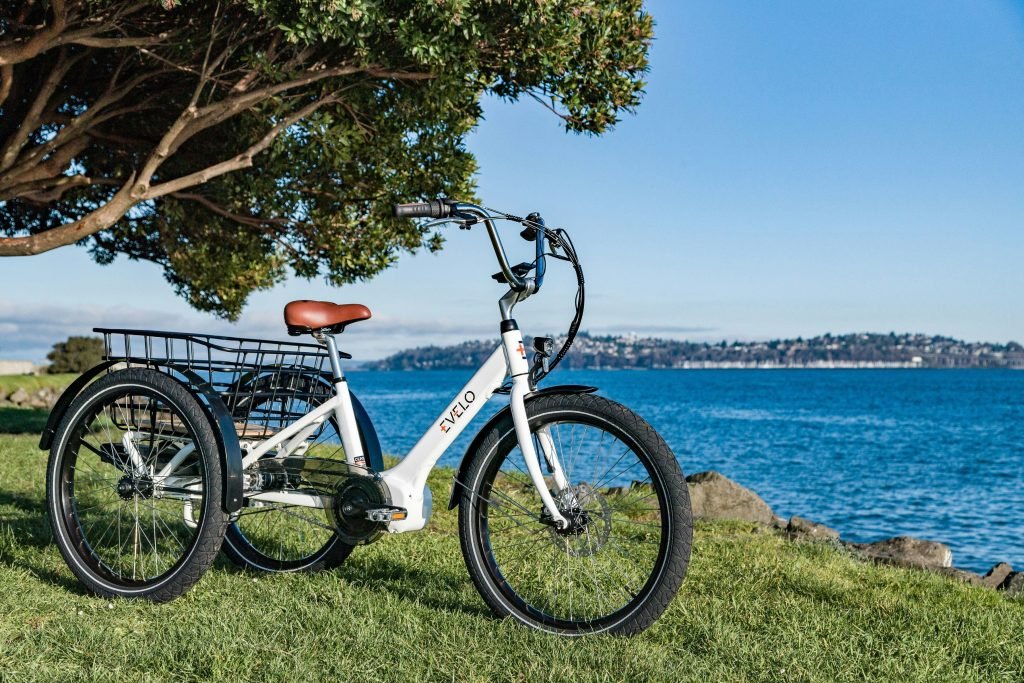
Field charging options: pros, cons, and typical times
You have options when you cannot plug into mains power. Consider weight, practicality, and recharge speed.
Portable generators
Generators give near-grid power and can run standard chargers. Small inverter generators (1000–3000W) can charge packs quickly and run for many cycles, but they add weight, noise, and fuel concerns—critical for stealth in hunting.
- Typical charge time: similar to mains (depends on charger).
- Consider muffling and positioning for minimal disturbance.
Portable power stations (battery packs)
Power stations are quiet and lightweight relative to gas generators. They supply AC or DC power but have limited capacity.
- Example: A 1000Wh power station could charge a 360Wh battery fully twice in ideal conditions, accounting for conversion losses.
- Typical charge time: depends on inverter rating and charger wattage; often overnight for mid-size batteries.
Solar panels
Solar offers sustainable field charging but is slow and weather-dependent. Pair solar with a battery station or charge controller.
- Typical charge time: Multiple hours to days depending on panel wattage and sun.
- Best as supplemental power or when you can wait.
DC-to-DC chargers or alternator charging
If you have access to a vehicle, you can charge the e-bike pack via a DC-to-DC converter off the vehicle alternator. This can be quick and practical if set up properly.
- Typical charge time: Similar to AC charging if converter supplies enough current.
- Must be installed safely with correct voltage regulation and wiring.
Practical charging checklist before a hunt
Use this checklist to ensure you don’t get stranded.
- Fully charge your main battery at home using the correct charger and conditions.
- Carry a partially charged spare battery if you expect long rides or multiple days.
- Bring the charger, appropriate cables, and any adapters.
- If hunting remote areas, bring a portable power station or generator sized for your battery capacity.
- Monitor battery health and plan for a margin of safety—don’t assume the pack will deliver rated range in cold or rough terrain.
Monitoring and estimating remaining charge while charging
Modern e-bike systems often show state of charge on the display or via a mobile app. If your charger has an LED without time estimate, you can calculate remaining time roughly:
Remaining Wh = (Pack Wh × (100% – current SoC%))
Remaining time (hrs) ≈ Remaining Wh / Charger W × 1.12
This gives a ballpark so you can decide whether a quick top-up will suffice.
Troubleshooting common charging issues
You may encounter a few typical problems in the field. Here’s what to check.
- No charging indicator: Confirm power source and fuse, check charger output with a multimeter, and ensure the connector is properly seated.
- Slow charging: Check ambient temperature, charger rating, and BMS limits. Cold or a defective charger can slow charging.
- Charger overheating or shutting down: Reduce charging current, let it cool, and ensure ventilation.
- Battery not reaching full charge: BMS may have limited the charge due to cell imbalance or age. Consider professional diagnosis.
Charging etiquette and legal considerations for hunting
You should be mindful of local regulations and ethical hunting behavior.
- Check local rules about the use of motorized transport during hunting seasons; some jurisdictions restrict or prohibit e-bikes in certain areas.
- Avoid noisy generators near hunting grounds when stealth is needed.
- Recharge away from active hunting lines and be cautious about scent and disturbance when handling charging gear.
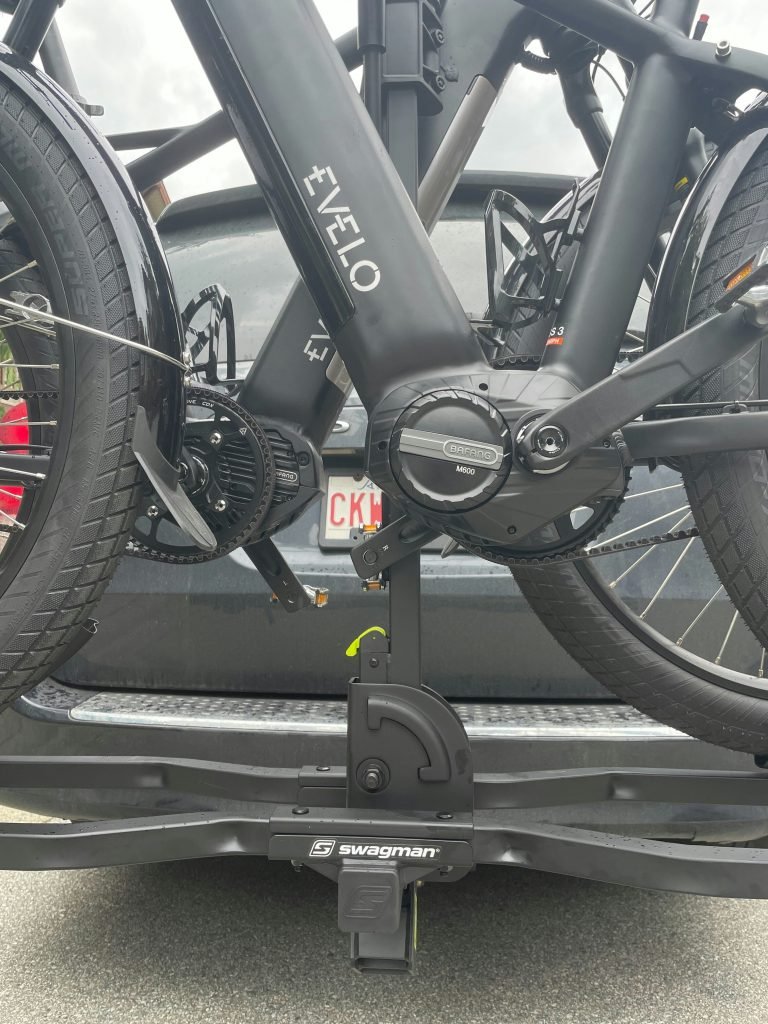
Maintaining battery health for reliable charging
Long-term habits preserve charge capacity and consistent charge times.
- Store batteries at roughly 40–60% charge if you won’t use them for extended periods.
- Avoid extreme temperatures in storage.
- Use the correct charger and avoid counterfeit chargers.
- Periodically balance cells if your charger or BMS supports balancing, especially after many cycles.
- Replace aging batteries before they fail in the field.
Portable charging gear recommendations
When you choose field charging gear, consider weight, capacity, and charging speed.
- For short hunts: a spare battery is often the simplest and most reliable solution.
- For multi-day trips: a combination of a spare battery and a mid-size power station (500–1000Wh) gives flexibility.
- For remote, extended hunts: a quiet inverter generator plus fuel or a large-capacity power station with solar input is ideal.
Make sure cables, connectors, and fuses are compatible and that you know how to operate your gear safely.
Safety precautions when charging in the field
Charging lithium packs requires respect for safety protocols.
- Charge on non-combustible surfaces and away from dry vegetation or flammable materials.
- Do not leave unattended chargers in risky environments.
- Protect the battery and charger from water and severe weather.
- Have a basic fire extinguisher or dirt nearby if you use a generator.
- Follow manufacturer instructions for maximum charge current and temperature ranges.
How temperature affects charging speed and capacity (quick reference)
| Temperature | Effect on charging | Recommended action |
|---|---|---|
| <0°c (32°f)< />d> | Charging often restricted; slow | Warm battery before charging |
| 0–10°C (32–50°F) | Reduced acceptance and efficiency | Warm if possible; expect longer times |
| 10–30°C (50–86°F) | Optimal charging and performance | Normal charging |
| >40°C (104°F) | Risk of overheating and damage | Cool battery and reduce current |
Plan hunts and charging schedules with temperature in mind.
Cost of faster chargers versus battery wear
Faster chargers may cost more but reduce downtime. However, frequent use of high-amp charging accelerates aging.
- If you need speed occasionally, a fast charger is a good investment.
- If you charge frequently to maintain health, prefer moderate charging rates and reserve fast charging for emergencies.
Balance cost, convenience, and long-term battery costs when making equipment choices.
Example charging plans for common hunting scenarios
These sample plans show how you might structure charging around typical hunts.
- Single-day hunt within range: Fully charge at home, bring no additional gear unless you expect detours. Charge time at home: 3–4 hours with 4A charger for a 480 Wh pack.
- Multi-day basecamp hunt: Bring one spare battery or a 1000Wh power station. Recharge main battery overnight, rotate packs to keep one charged each day.
- Remote backpack hunt: Use minimal weight—carry one lightweight spare battery and rely on efficient riding. If you must charge, use a small solar setup and expect slow recovery.
When to replace your battery
You’ll know it’s time to replace when:
- Range drops below what you need even after proper charging and conditioning.
- BMS repeatedly interrupts charging or displays faults.
- Cells are visibly swollen or damaged.
- Age and cycle count reduce capacity substantially (typically after several hundred cycles depending on chemistry).
Replacing a battery before it fails in the field reduces risk.
Quick summary and practical recommendations
- Charging time depends primarily on battery capacity and charger power, modified by temperature, BMS limits, and charging curve.
- Use Wh to compare packs and calculate estimated charge times with Charger W, allowing ~10–15% inefficiency.
- For hunting, plan with margin: carry a spare battery or a portable power source.
- Avoid frequent full charges to extend battery life; maintain mid-range SoC when storing.
- In cold weather, warm batteries before charging and accept slower charge rates.
Frequently asked questions (short)
What’s the fastest safe way to charge my hunting e-bike battery?
- Use the highest-current charger approved by the battery manufacturer and ensure proper cooling. Avoid pushing beyond BMS limits.
Can I charge the battery while it’s on the bike?
- Yes, if the manufacturer permits it and the connection is designed for charging. Ensure the pack has proper ventilation and is secure.
How many hours will a 480 Wh battery get me in the field?
- That depends on motor assist level and terrain. At moderate assist and mixed terrain you might expect 20–40 miles, but conditions vary widely.
Is it better to fully charge before storing between hunts?
- No. Store at about 40–60% charge if you won’t use it for weeks to months.
Should you routinely top up to 100% before a big hunt?
- For a long trip where you need full range, charge to 100% just before departure, but avoid keeping it at 100% for long periods.
Final checklist before you leave for a hunt
- Charge main battery to desired level before departure.
- Pack spare battery(s) or a portable power station sized to your energy needs.
- Bring charger, cables, adapters, and a small toolkit.
- Check weather and temperature effects on battery performance.
- Confirm you are complying with local regulations regarding motorized vehicles during hunting.
With reliable planning and understanding of charging times, you’ll reduce the risk of surprises and spend more time focusing on the hunt itself.