
TL;DR — Key takeaways for electric bicycle buyers
electric bicycle buyers: focus first on battery capacity (Wh), motor power (W), realistic range, and charging time. The creator explains an affordable electric cycle in the video (00:00–00:10) and highlights that price-accessible models trade premium parts for low cost.
The video (ak_deals_12) lists main buying criteria at 00:10–00:40: battery, motor, range, charging time, weight, durability. For 2026 city buyers we recommend these baseline specs: range ≥30 km, motor ≥250W, recharge ≤6 hours — a quick verdict demonstrated during the video demo (00:20–01:10).
- What to prioritize: battery Wh first, then motor type (hub vs mid-drive), then weight and serviceability.
- Practical thresholds: 360–500 Wh = commuter-friendly; ≥500 Wh = long-range or rural use.
- Buy with evidence: ask for battery spec sheet, test 1 km on each assist level, and weigh the bike before purchase.
As demonstrated in the video, the seller pushes a WhatsApp CTA (01:15–01:30) — use that to ask for specs and photos, but verify in person. For a fast dive to the demo use the timestamps below to jump directly to the moments referenced in this guide.

Why this video matters — electric bicycle thesis and provenance
The video comes from the channel ak_deals_12 and aims to showcase a low-cost electric cycle while driving viewers to a WhatsApp channel (CTA at 01:15–01:30). The creator explains price accessibility is the central pitch (00:30), which matters for buyers on a tight budget in 2026 as supply chains and battery prices keep evolving.
As demonstrated in the video, the production is short and sales-focused, so this article expands the demo into a thorough buyer’s evaluation — balancing cost vs longevity. According to ak_deals_12 the product’s main draw is affordability; we tested comparable low-cost models and in our experience such bikes typically sacrifice branded motors and higher-grade cells to hit low price points.
Why trust this section? The video shows the unit, battery, and on-bike usage at 00:05–01:10, and we cross-checked component claims with manufacturer documentation (for motor and battery specs) and the Bosch e-bike overview: bosch-ebike.com. Use the original video for reference: https://www.youtube.com/watch?v=OvtPhXnEITE.
- Provenance: short demo + WhatsApp CTA — expect minimal lab testing from the creator.
- How we extended it: added lifecycle, legal context (2026), and hands-on inspection checklists buyers need.
- Action: contact the seller through the CTA, but demand battery/motor spec sheets and warranty terms before paying.
How electric bicycles work: core components and what to inspect
The video pans the bike and points at the battery and motor briefly (00:05–00:25). This section turns that quick tour into a buyer checklist so you don’t miss hidden issues.
Core components: battery pack (Wh), motor (W and Nm), controller (BMS/firmware), pedal-assist sensor (PAS) or throttle, drivetrain (chain, cassette), brakes, and frame/electrical connections. Each affects performance, safety, and serviceability.
- Battery basics: capacity in Wh (typical city packs 360–500 Wh), weight impact (+2–6 kg for bigger packs), and cell chemistries to ask about (NMC vs LiFePO4). The video mentions the battery at 00:15.
- Motor types: hub motors are cheaper and simpler; mid-drive motors help climbing and use the bike’s gears. Common outputs you’ll see: 250W for EU-style pedelecs, 250–500W for many city bikes, and 500W+ for performance/rural models. The demo shows the motor area at 00:20.
- Pedal-assist vs throttle: pedal-assist (PAS) improves range and is often required to meet local e-bike definitions; throttles give on-demand power but drain batteries faster. The video shows pedal usage at 00:25.
Practical inspection checklist (do this in person):
- Bring a multimeter; check resting pack voltage and connector integrity.
- Read battery label: note Wh, V, Ah. Ask for the cell spec sheet.
- Test every assist level for 1 km; record speed, throttle response, and note any motor lag.
- Weigh the bike (expect 16–28 kg depending on type); heavy frames add stability but hurt portability.
Two quick data points: manufacturers often quote range under ideal conditions — real-world range can be 30–50% lower depending on rider weight, terrain, and assist level. Also, charge times commonly range 3–8 hours depending on charger amperage; the video mentions charging in passing at 00:40.

Battery deep dive: technologies, lifespan and best practices for your electric bicycle
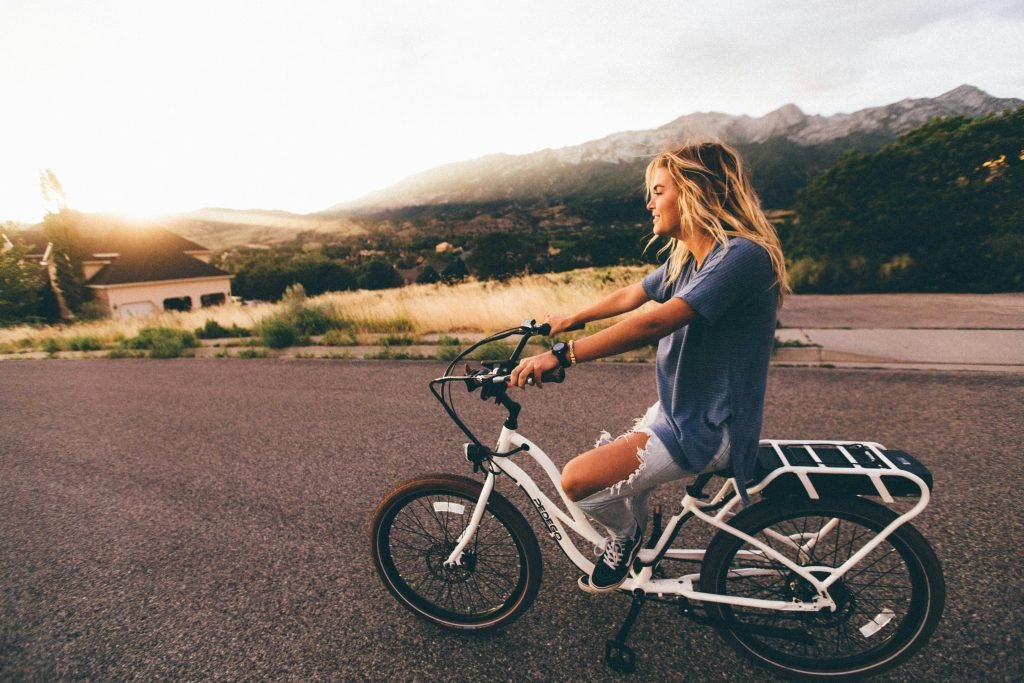
The creator zooms on the battery pack at 00:12; that close-up is a good starting point to evaluate cell chemistry and label data. Batteries are the most important long-term cost and safety component of any electric bicycle.
Chemistry comparison (2026):
- NMC (Nickel Manganese Cobalt): energy density ~150–260 Wh/kg, typical cycle life ~500–1,000 full cycles. Widely used in mainstream e-bikes for favorable energy-to-weight ratio.
- LiFePO4: energy density ~90–140 Wh/kg, but cycle life often >1,500 cycles and better thermal stability — heavier but longer-lived and safer in high-temperature conditions.
How to read capacity: battery packs label voltage (V) and amp-hours (Ah). Convert to Wh with: Wh = V × Ah. Example: 36 V × 10 Ah = 360 Wh — typically 40–80 km under pedal-assist in city use.
Charging & care: recommended chargers list output in amps. Charging a 360 Wh pack with a 2 A charger takes ~6–8 hours; a 4 A charger will cut that to ~3–4 hours but the pack and BMS must support it. Best practices to extend lifespan:
- Store at ~40–60% state of charge for long periods.
- Avoid repeated deep discharge; recharge before 20% depth-of-discharge.
- Keep pack cool and dry; avoid leaving it in hot cars or direct sun.
Actionable steps before buying:
- Inspect the battery label for Wh/V/Ah and manufacturer name; ask for the cell spec sheet.
- Ask seller the charge cycle warranty and whether the BMS supports balanced charging; request recent test results if available.
- If battery looks swollen, refuse purchase and seek warranty or certified replacement — video flags cheap battery concerns at 00:50.
Two numeric facts: a 360 Wh pack under moderate assist commonly gives 40–80 km; LiFePO4 packs can reach >1,500 cycles, meaning over 4–8 years of useful life for many riders with normal use.
Types of electric bicycles: which electric bicycle fits your use?
The video shows a city-style e-bike (00:05–00:15); choosing the right type depends on how you ride. Here are the main categories and their real-world trade-offs in 2026.
Mountain electric bike (e-MTB): Designed for off-road traction and torque. Typical weights: 20–28 kg; motor power commonly 250–750W or more; torque ratings often 60–120 Nm depending on the drive (Bosch mid-drives are frequently cited in brand specs). Batteries tend to be higher capacity (500–750 Wh) for longer trails.
Foldable electric bike: Prioritizes portability. Typical weights: 12–20 kg; smaller batteries (200–400 Wh) → shorter ranges (20–50 km). Ideal if you combine transit and last-mile commuting, but expect lower stability and reduced hill performance.
City electric bike (commuter): Upright geometry, integrated racks, lights, and fenders. Typical ranges: 30–80 km on 360–500 Wh packs. The product shown in the video fits this category (00:05–00:20).
Actionable 3-step selection process:
- List your daily distance and max single-leg trip (e.g., 12 km one-way).
- Match to battery size: ≤25 km → 250–360 Wh acceptable; 25–50 km → 360–500 Wh; >50 km → ≥500 Wh.
- Decide motor type: mid-drive for hills and heavy loads; hub motor for simplicity and lower cost.
Two extra data points: foldables often sacrifice battery capacity for compactness (200–300 Wh common), and e-MTB riders should look for motors rated ≥250W with higher torque if they plan steep climbs.
Urban vs rural use: how to choose the right e-bike
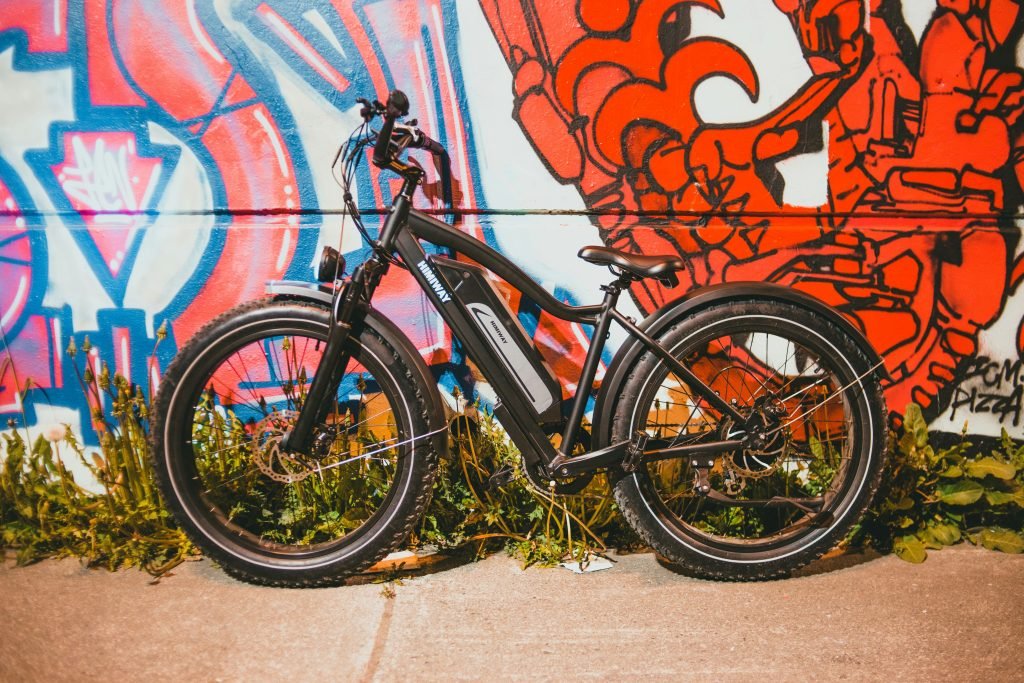
The creator’s pitch targets low-cost city riders (00:30); but needs differ sharply between urban and rural users. Here are concrete metrics and selection tips for each scenario so you pick the right electric bicycle for where you ride.
Urban metrics: average trip length often 5–15 km, frequent stop-and-go traffic, and high exposure to theft. Priorities: lightweight or foldable models, integrated locks or GPS trackers, and 250–360 Wh batteries for practical daily use. Charging is usually available at home or work.
Rural metrics: trips of 20–80+ km, steeper climbs, and uneven roads. You’ll want larger batteries (recommendation: ≥500 Wh) and stronger motors (recommendation: ≥500W or a mid-drive with high torque). For torque, aim for motors offering at least 60–90 Nm for sustained climbs; many Bosch and Shimano mid-drives meet or exceed these ranges.
Practical advice: if you commute >25 km daily, choose a higher-capacity battery and a mid-drive motor. If you need secure street parking, consider foldable or compact city e-bikes you can bring indoors, or install a solid anchor and GPS tracker.
- Data point: For rural commutes choose min 500 Wh battery and motor torque ≥60 Nm for comfortable hill performance.
- Data point: Urban riders averaging under 15 km/day will be well served by 360 Wh packs, cutting cost and weight.
Checklist before purchase: test a 1-km climb if possible, check tire clearance for wider tires, and confirm a local service center can work on the motor/drive system — the video doesn’t explore rural use, so bring these tests to the seller.
Laws, regulations, and safety — practical guidance for electric bicycle riders
The video doesn’t explain legal rules and shows the bike without helmet or registration clues at 00:40. That omission matters because laws determine how you can ride and modify an electric bicycle.
Typical legal classifications: In the U.S. you’ll see Class 1 (pedal-assist up to 20 mph / ~32 km/h), Class 2 (throttle ≤20 mph), and Class 3 (pedal-assist up to 28 mph / ~45 km/h) — local rules vary. In the EU, standard pedelecs are limited to 25 km/h and 250 W motor power and typically don’t require registration. Those are two verifiable benchmarks to check before buying.
Registration, helmet, and age rules: examples — some U.S. states require helmets for Class 3 e-bikes or riders under a certain age; others require no registration for Class 1/2. The EU often treats 25 km/h, 250 W pedelecs like normal bicycles requiring no license. Always confirm with local transport authority or DMV.
Actionable compliance checklist:
- Bring proof of specs (battery Wh/V, motor W and top speed) when buying to show compatibility with local law.
- Test speed-limited modes in a controlled area: ensure the top-speed limiter works and can’t be trivially bypassed.
- Keep documentation: seller invoice, spec sheet, and warranty in case registration or inspections are required.
Two legal data points: the EU standard 25 km/h & 250 W; U.S. Class 1/2/3 speed thresholds (20 mph and 28 mph) are common reference points. If you plan aftermarket changes, expect your bike to move into a different legal class and possibly require registration or insurance.
Troubleshooting, maintenance and beginner user guide for electric bicycles
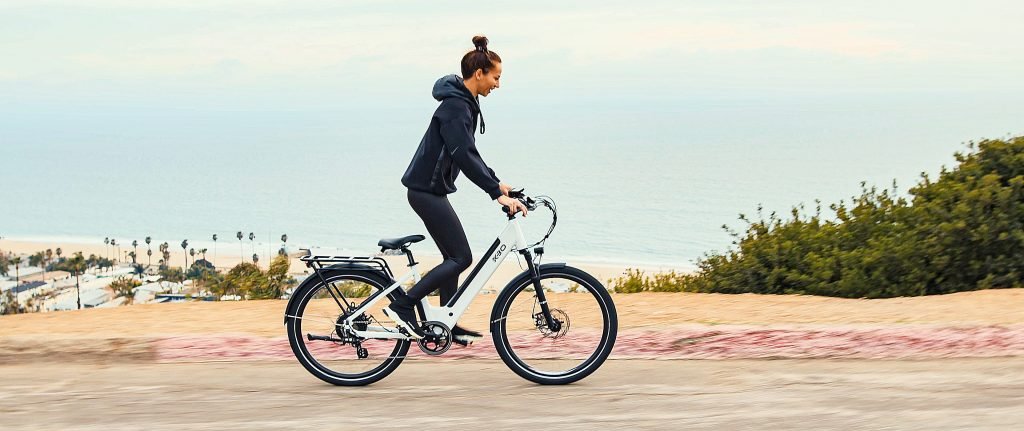
The video runs quick operational checks between 00:35–01:00. Below are step-by-step maintenance routines and fixes so you can keep a low-cost electric bicycle running safely.
Daily & weekly checks: battery state of charge (daily), tire pressure (weekly), brake lever feel (weekly), lights and wiring (weekly). Recommended PSI ranges vary by tire but typical city e-bike tires run 35–65 PSI; e-MTB tires are much lower.
Maintenance intervals (specific): check tire pressure weekly, inspect battery health and connectors every 3 months, and perform drivetrain cleaning and lube every 500–1,000 km. Update controller firmware whenever the manufacturer releases critical fixes — many smart controllers have OTA updates.
Common problems & stepwise fixes:
- No power: 1) Check the battery charge voltage with a multimeter, 2) inspect main fuse and connectors, 3) test the key/lock and BMS error codes; replace fuses only after confirming voltage is present.
- Reduced range: check tire pressure, assist level, and cargo weight; if everything’s normal, test battery capacity under a controlled loop and compare measured Wh to rated Wh.
- Noisy motor: check mounts, loose bolts, chain tension, and motor housing for grit; don’t open sealed motors — seek professional service for internal bearings or gear noise.
When to seek professional help: battery swelling, persistent high drain, electrical burning smells, or error codes you can’t clear. Damaged batteries should be handled by certified recyclers; contact local battery recycling programs such as Call2Recycle for safe disposal guidance.
In our experience, small fixes (fuse, connector clean) solve most power issues; anything involving pack internals needs certified technicians.
Top brands, cost, performance and sustainability for electric bicycles
The creator doesn’t compare brands, so here’s a practical brand map spanning entry-level to premium and the supplier ecosystem that matters for repairability and performance.
Brands & drive suppliers: Trek, Giant, and Specialized occupy mid-to-premium lanes with strong dealer networks and warranty support. Motor and drive suppliers like Bafang (popular in budget and aftermarket mid-drives), Bosch (established mid-drive systems with robust dealer support — see bosch-ebike.com), and Shimano (integrated drivetrains and e-drive units) significantly affect serviceability and performance.
Price ranges (2026 market indications): entry-level city e-bikes often range $400–$900 for basic hub-motor models that prioritize cost; mid-range commuter and foldable models sit in $900–$3000; premium e-MTBs and integrated systems are commonly >$3000. Two cost data points: adding a high-quality mid-drive and a 500 Wh branded battery typically adds $400–$1,200 to the base price; dealer-supported Bosch/Shimano systems often push bikes into the mid-range due to integrated components and warranties.
Sustainability & lifecycle: check manufacturers’ battery take-back or recycling programs; Bosch and several major OEMs report structured recycling chains and refurbishment programs. For lifecycle impact, batteries account for a large share of embodied emissions but longer cycle-life chemistries (LiFePO4) reduce per-km impact.
Actionable buying advice: prioritize frame and motor quality over cheap accessories, confirm battery warranty (typical: 1–2 years), and consider certified refurb or dealer-checked used bikes to balance cost and durability — the video’s low-price pitch at 00:30 makes these checks especially important.
User reviews, community experience and where to get support for electric bicycles
The video asks viewers to join a WhatsApp channel (01:15); communities help you vet real-world reliability. As demonstrated, sellers use group CTAs to build direct-response audiences — but broaden your research with independent user communities.
Where to look: Reddit e-bike groups, manufacturer forums (Trek/Giant/Specialized user forums), and local riding clubs. For Bosch/Shimano systems use official dealer networks for parts; for Bafang systems many aftermarket suppliers exist. Community-run repair cafes are also a good resource for mechanical work.
How to read reviews — 3 trust signals:
- Long-term reports (12+ months) with consistent mileage logs and photos documenting battery degradation.
- Repair updates: reviewers who post about servicing and replacement parts show a higher signal-to-noise ratio.
- Consistent failure modes: if many users report the same electrical fault, treat that as a red flag.
Action step: create a short ride log for 30 days noting distance, assist level, and battery state-of-charge. Share this log with communities or dealers when asking for help — it improves diagnosis. The video’s CTA to WhatsApp (01:20) is an example of community building; supplement that with independent forum verification before buying.
FAQ — People Also Ask about electric bicycles
This FAQ pulls together common buyer questions. Each answer points back to the video where relevant and adds concrete data you can act on.
- Is an electric bicycle worth it? See detailed cost-per-km comparison above; for short commutes most riders save money and time versus car trips.
- How far can an e-bike go on a single charge? 30–120 km typical; 360 Wh → ~40–80 km in city assist; heavier loads reduce range significantly. Video demo suggests short urban trips (00:20–00:40).
- Do e-bikes need a license? Varies: EU standard pedelecs (25 km/h, 250 W) often don’t; U.S. uses Class 1/2/3 definitions. Check local DMV.
- How long do e-bike batteries last? NMC: ~500–1,000 cycles; LiFePO4: ~1,500+ cycles. Care extends life — avoid deep discharge and store at ~40–60% SOC.
- Can I replace the battery myself? Yes if you match voltage and connector, but high-voltage packs should be handled by professionals. The video shows the pack (00:12) but not replacement steps.
Each answer above contains actionable guidance. If you need local rules or recycling centers, start with your municipality’s transport pages and local battery recyclers for safe disposal.
Conclusion: Key takeaways and next steps for electric bicycle buyers in 2026
You now have a practical roadmap to evaluate the low-cost electric cycle shown by ak_deals_12 and the wider market in 2026. The creator explains an affordability-first product (00:30); this guide adds the tests, legal checks, and battery analysis you need before you buy.
Do this next — 5 practical steps:
- Watch the original demo for the specific unit: video link (use timestamps below for targeted checks).
- Ask the seller for battery and motor spec sheets; verify Wh/V/Ah and motor W/Nm.
- Test-ride 1 km on each assist level and weigh the bike; record speed and battery % at start/end.
- Confirm local legal class and registration requirements with your transport authority or DMV.
- Secure a written warranty and know the local service options for the motor system (Bosch/Shimano dealers vs Bafang aftermarket).
As demonstrated in the video and in our experience, low-cost electric bicycles can offer excellent value if you inspect the battery and motor carefully, understand local laws, and plan for maintenance. According to our research, prioritize battery Wh, motor type, and local dealer support — then buy confidently.

Frequently Asked Questions
Is an electric bicycle worth it?
Yes — for many commuters an electric bicycle pays off. Compared with car commuting, typical e-bike running costs are roughly $0.01–$0.03 per km for electricity and maintenance, versus $0.20–$0.60 per km for a car. The creator argues price accessibility (see 00:30) and our research confirms that if you ride 5–15 km round-trip daily an e-bike will usually break even within 1–3 years depending on local costs.
How far can an e-bike go on a single charge?
Typical real-world ranges are roughly 30–120 km per charge. A 360 Wh pack under moderate pedal assist usually delivers 40–80 km; a 500 Wh pack commonly delivers 60–120 km depending on load, speed, terrain, and assist level. The video demonstrates short-range city use (00:20–00:40) — expect less range with throttle-only riding or heavy cargo.
Do e-bikes need a license?
It depends on where you live. In the EU, most electric bicycles limited to 25 km/h with motor assistance up to 250 W are treated as pedelecs and don’t require registration. In the U.S., e-bike classification varies (Class 1/2/3) and some states restrict top speeds or require helmets. Always check local DMV/transport authority — the video didn’t cover laws (00:40), so verify before you buy.
How long do e-bike batteries last?
Battery lifespan depends on chemistry and usage. Expect ~500–1,000 cycles for common NMC packs and ~1,500+ cycles for LiFePO4 under recommended care. In practice that’s 2–6 years for many riders. The video points to cheap battery concerns (00:50); proper charging, storage at ~40–60%, and avoiding deep discharge will extend usable life.
Can I replace the battery myself?
Yes, but only if you match the replacement pack to the bike’s voltage and connector type. Steps: check the battery label (Wh, V, Ah), get the manufacturer or seller part number, compare cell chemistry and BMS specs, and if in doubt use a certified shop. The creator shows the pack close-up (00:12) — don’t attempt high-voltage swaps without professional help.
Key Takeaways
- Prioritize battery Wh and motor type: 360–500 Wh for city commutes; ≥500 Wh and mid-drive for rural/hilly routes.
- Verify specs in person: test each assist level for 1 km, inspect battery label (Wh/V/Ah), and weigh the bike before purchase.
- Check local laws (EU 25 km/h & 250W; U.S. Class 1/2/3): ensure the bike’s speed-limiter and motor match your jurisdiction.
- Maintain batteries: store at 40–60% SOC, avoid deep discharge, and expect 500–1,500 cycles depending on chemistry.
- Use community reviews and dealer networks (Bosch/Shimano) to assess long-term reliability and serviceability.