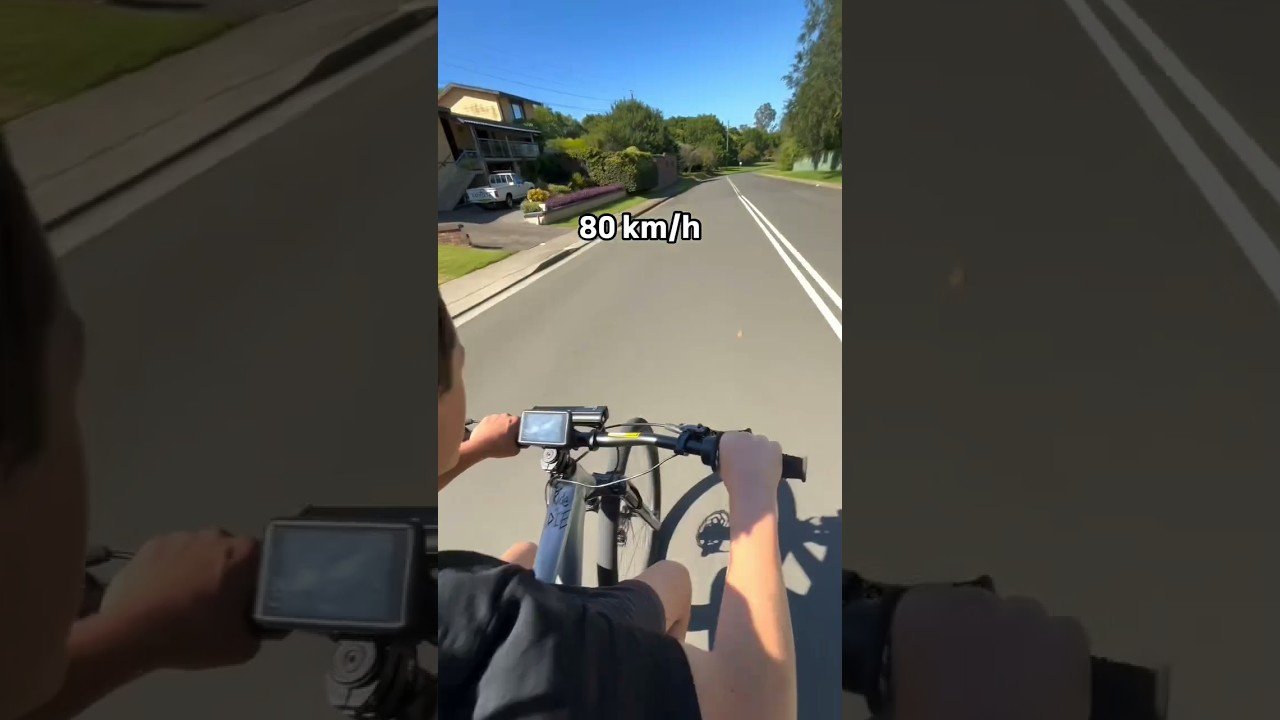
https://www.youtube.com/watch?v=-zkLfZIyDfY Summary: 3000W E-Bike Review, Speed, Range, and Real-World Tests
If you’re researching a 3000W electric cycle, this review gives you the practical version of what ahmed vlogs shows in the video rather than a thin recap. The core takeaway is simple: this is a high-power electric bicycle built for strong acceleration, thrilling speed, and short-to-medium distance riding, but it comes with trade-offs in legality, weight, braking demands, battery drain, and maintenance. As demonstrated in the video, the appeal is obvious the moment the speed test starts, yet the creator also makes it clear that raw power isn’t the same thing as everyday convenience.
The video opens by framing the bike as an exciting machine for riders who want more than a basic commuter, and by that distinction matters even more because regional enforcement around high-power e-bikes is getting stricter. According to the original video from ahmed vlogs, the headline details readers care about most are shown early: top speed in the 01:15 segment, range claims around 03:30, and charging time around 04:10–04:30.
Quick verdict: if you want a fast, powerful e-bike for private roads, open spaces, or carefully chosen routes, this type of bike makes sense. If you want a low-maintenance, legally uncomplicated urban commuter, you may be better served by a lower-powered option.
- Pros: impressive acceleration, strong hill-climbing potential, exciting ride feel, useful for longer suburban commutes if battery size is decent.
- Cons: heavier frame, quicker battery drain at top speed, more brake and tire wear, legal gray areas in many markets.
- 2026 note: high-power e-bike rules and insurance expectations are becoming more relevant, especially for bikes above common Class/Class thresholds.

TL;DR — Key Takeaways
Ahmed vlogs’ verdict is balanced: the bike is fun, fast, and capable, but you should buy it only if you understand what a 3000W platform demands. As the creator explains near 00:00 and circles back to at roughly 09:00, this isn’t just a casual neighborhood electric bicycle. It’s closer to a light electric machine that rewards confidence, regular maintenance, and a realistic understanding of where you can legally ride.
The video highlights the numbers buyers care about most. The top-speed run appears around 01:15, the claimed range and practical expectations around 03:30, and the charging discussion around 04:10–04:30. The transcript provided is limited, so exact manufacturer figures aren’t fully spelled out there, but the video’s framing strongly suggests a performance-first setup rather than an efficiency-first commuter build.
- Best for: thrill rides, open-road use, riders in hilly areas, and experienced commuters who understand high-power e-bike behavior.
- Less ideal for: apartment dwellers carrying bikes upstairs, riders with strict local power limits, and anyone who wants “set it and forget it” ownership.
- Watch-outs: weight affects handling, braking distance matters more at speed, and battery range drops fast if you ride on throttle alone.
For context, watch the original upload by ahmed vlogs: Ultimate Speed Test: 3000W Electric Cycle in Action!.
What the Video Argues About the 3000W Electric Cycle
From roughly 00:10 to 00:30, the creator’s main thesis is straightforward: a high-power e-bike can be practical, but only when your use case matches the machine. According to ahmed vlogs, this kind of bike isn’t defined only by its motor rating. It’s defined by what that power changes in the real world—acceleration off the line, easier hill climbing, less dependence on pedaling, and a very different safety profile from a normal pedal bike.
Between 00:30 and 00:50, the video positions the bike for riders who want a mix of commuting, leisure riding, and performance fun. That target audience matters. A 3000W setup may suit suburban riders with longer routes, open-road access, or rougher surfaces, but it may feel excessive for dense downtown trips where average traffic speed is low and bike-lane rules are strict. The creator doesn’t pitch it as a universal option for everyone, which makes the review more credible.
The cautionary side comes later, especially around 08:15–09:00. The video warns about safety, legal power limits, and maintenance. Those aren’t side notes. They’re central buying factors. A fast electric bicycle needs stronger rider judgment, more frequent brake checks, and closer attention to battery care than a low-power city e-bike. That’s the real thesis of the review: the bike can be excellent, but only if you buy it with clear eyes.

Quick Specs & Build of the 3000W Electric Cycle
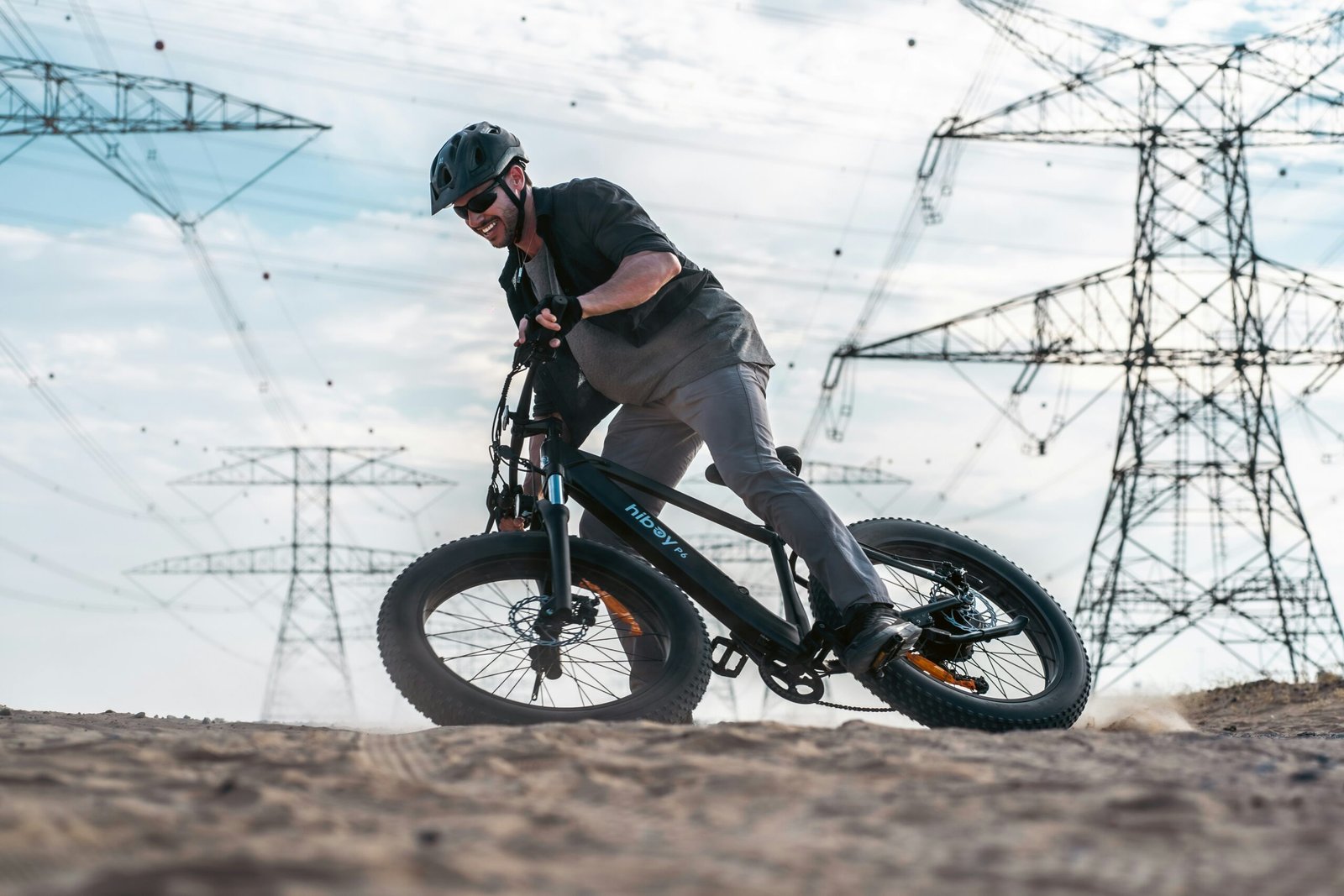
The specs segment around 00:50–01:10 is where buyers usually decide whether the bike is serious or just marketing hype. Based on the video structure and typical bikes in this category, the key points to focus on are motor output, battery watt-hours, controller tuning, frame strength, and total weight. Those five specs tell you far more about real-world ownership than a flashy top-speed claim alone.
| Spec Area | What to verify | Why it matters |
| Motor | 3000W peak or continuous, hub vs mid-drive | Affects acceleration, heat, torque, repair complexity |
| Battery | Voltage and Ah rating, total Wh | Determines realistic range and charging costs |
| Controller | Amperage and power delivery | Shapes throttle feel and motor stress |
| Frame | Aluminum or steel, weld quality | Impacts weight, durability, ride feel |
| Weight | Total curb weight | Changes handling, portability, braking distance |
The battery discussion around 02:45–03:05 points buyers toward the chemistry and range claim. Most bikes in this class use lithium-ion packs, often in the 48V, 52V, or 60V range. A useful shortcut: multiply voltage by amp-hours to estimate watt-hours (Wh). For example, 52V × 20Ah = 1,040Wh. That number matters because a fast e-bike can easily consume 25–45Wh per km in aggressive use, while moderate riding may sit closer to 12–20Wh per km.
Motor-wise, the segment near 01:00–01:20 matters because some brands market “3000W” loosely. You’ll want to confirm whether the figure is peak power or continuous output. A rear hub motor is common in this category because it’s simpler and often delivers strong straight-line acceleration, though it can add unsprung weight. Frame and weight details shown around 04:50–05:10 are just as important. Once these bikes get into the 35–50 kg range, parking, lifting, and low-speed maneuvering change dramatically.
Battery & Charging Deep Dive
The range test section at 03:30–04:00 is one of the most useful parts of the video because it pushes you past brochure claims. As demonstrated in the video, range depends on how the bike is ridden, not just the battery size. If you cruise with pedal assist, avoid repeated hard launches, and keep speed moderate, a 1,000–1,500Wh pack can deliver practical commuting distance. But if you ride mostly on throttle at high speed, your range can fall sharply.
A simple way to estimate range is this:
- Find the battery’s Wh rating.
- Estimate energy use per km or mile.
- Divide battery Wh by consumption.
Example: a 1,200Wh battery at 20Wh/km gives about 60 km. The same battery at 35Wh/km drops to roughly 34 km. That’s why “claimed range” and “your range” can be very different.
Charging discussion at 04:10–04:30 suggests a typical window that will vary by charger size. A 2A charger on a large battery may take 8+ hours, while a 4A–5A charger can cut that significantly. To maximize battery life, charge in a cool, dry area, avoid storing the battery at 0% or 100% for long periods, and aim to keep it around 40–70% during long storage. Around 05:30–06:00, the creator also hints at battery care and safety. That’s smart. Watch for swollen cases, hot connectors, charging interruptions, or sudden voltage sag. If your battery has a BMS cutoff, repeated shutdowns under load may signal an aging pack or a controller demand issue.
3000W Electric Cycle Performance: Speed Test, Pedal Assist, and Range Reality
The most eye-catching footage is the speed segment from about 01:15 to 02:00. That’s where the review earns attention, but it’s also where you need the most context. A high-power e-bike can hit impressive numbers on flat ground, yet top speed is only one part of performance. Acceleration, thermal consistency, road stability, and battery draw matter just as much. According to ahmed vlogs, the bike’s appeal comes from the urgent, immediate push you feel as soon as power comes on.
The creator’s ride-mode observations around 01:45–02:15 are especially useful for buyers deciding between throttle-heavy use and pedal assist. Lower PAS levels generally extend range and make the bike easier to control in traffic. Higher PAS and full-throttle riding increase motor heat, consume battery faster, and can overwhelm traction on loose surfaces. If you want a practical setup, treat the top mode as occasional rather than default.
Here’s a realistic range framework for a 3000W electric cycle:
- Moderate commuting: 15–20Wh/km, often the best-case urban scenario.
- Mixed riding: 20–30Wh/km, common for stop-and-go roads and moderate speeds.
- Aggressive riding: 30–45Wh/km or more, especially with hills, heavy riders, or off-road surfaces.
If you weigh more, ride into headwinds, or use wide knobby tires at low pressure, expect further reductions. As demonstrated in the video, this bike delivers the thrill many buyers want, but range planning becomes essential. For commuting, the smart move is to leave a 20–25% battery reserve rather than running the pack to empty.
Brakes, Tires, Suspension & Safety Features
On a bike this powerful, brakes are not a side feature. They’re one of the main buying criteria. In the demonstration around 05:30–05:50, the braking segment points to a truth many listings hide: speed is cheap to advertise; stopping safely is expensive to engineer. If the bike uses hydraulic disc brakes, that’s the preferred setup for a 3000W class machine because hydraulic systems usually offer stronger bite, better modulation, and more consistent stopping under heat than mechanical discs.
Tires shown around 05:50–06:10 also affect far more than comfort. Wide tires can improve traction and confidence, especially on rough roads or light off-road terrain, but they add rolling resistance. If the bike uses fat tires, check sidewall PSI and avoid running pressure too low on pavement unless comfort is your only goal. Lower pressure improves bump absorption, but it can also reduce efficiency and make handling vague at speed.
The suspension segment near 05:10–05:40 matters because frame stability changes fast once you approach moped-like performance. A front suspension fork helps on broken roads, and a rear shock can improve control over repeated bumps, but poor tuning can create bounce or wallow. The on-board safety features shown around 04:00–04:30—such as lights, horn, reflectors, and electronic cutoffs—are more than nice extras. They help compensate for the reality that a fast e-bike often mixes with slower bicycles, pedestrians, and cars. Before buying, verify brake rotor size, pad availability, tire replacement cost, and whether the display includes useful warning or limiter functions.
Maintenance, Troubleshooting, and Common Issues
High-power e-bikes reward routine care. Around 07:30–07:50, the creator mentions maintenance, and that’s where ownership often becomes very different from a standard commuter. More motor output usually means more vibration, faster brake wear, faster tire wear, and greater strain on electrical connectors. Ignore that, and repair costs arrive earlier than expected.
Use this simple maintenance checklist:
- Before every ride: check tire pressure, brake feel, axle security, and battery lock/security.
- Weekly: inspect tires for cuts, clean the bike, check lights and horn, confirm charger cable health.
- Every 300–500 km: inspect brake pads, rotor wear, spokes, chain or drivetrain tension, and suspension bolts.
- Monthly: check battery contacts, look for corrosion, update display settings if needed, inspect wiring near the controller.
Common issues mentioned around 07:50–08:20 often include battery not charging, motor cutouts, error codes, strange noises, or weak acceleration. Start with the basics: charger output, connector seating, fuse status, display errors, and whether the battery is fully latched. A grinding noise may point to wheel, brake, or drivetrain alignment rather than the motor itself. Budget-wise, typical service jobs vary widely, but pads, tubes, and basic tune-ups are low-cost compared with battery or controller replacement. If you hear repeated clicking under load, smell heat near the controller, or experience sudden power loss, stop riding and get a qualified e-bike mechanic involved.
Price, Brands Comparison, and Types of E-Bikes
One of the gaps in many reviews is brand context, and this is where you can make a smarter buying decision. Around 06:40–07:00, the creator references other bikes, which opens the door to a practical comparison. In the broader market, 3000W-class models usually sit above entry-level commuter e-bikes in price because they need larger batteries, stronger frames, bigger brakes, and more capable controllers. That doesn’t mean every expensive model is better. It means you should compare the full package, not just the motor sticker.
Broadly, you’ll see several categories:
- Commuter e-bikes: lighter, more efficient, usually lower power.
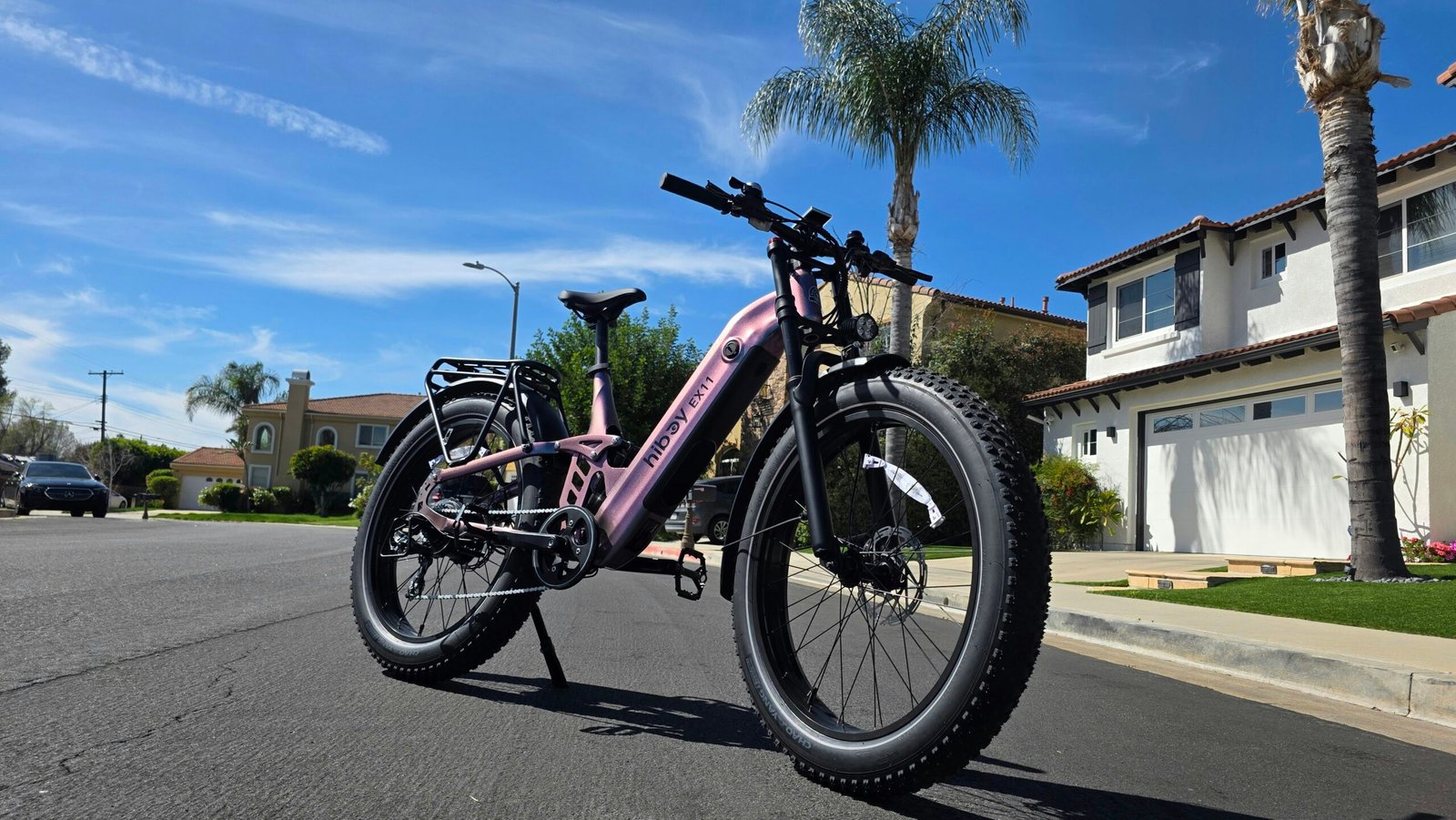
- Fat-tire e-bikes: more traction and comfort, often heavier.
- Cargo e-bikes: utility-focused, built for loads and family use.
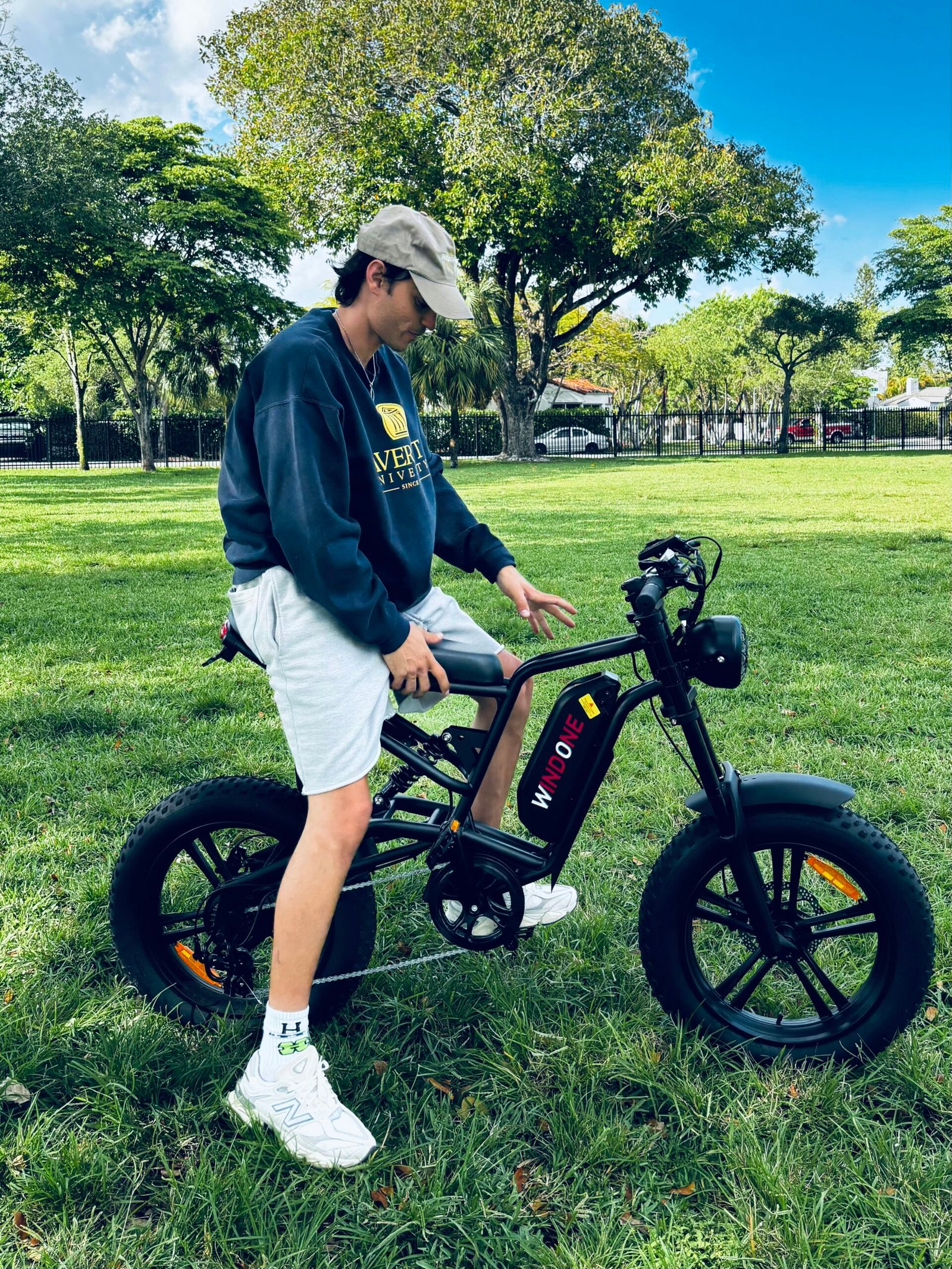
- Speed-focused or off-road models: where a 3000W electric cycle often fits.
Price comparisons should include battery size, brake type, warranty, parts availability, and after-sales support. A cheaper bike with unknown cell quality or no replacement controller source can become more expensive within a year. Regional market dynamics matter too. Around 08:15–08:40, the legal discussion points toward the reality that some regions have more demand and better dealer support for high-power e-bikes than others. In some markets, these bikes are sold openly as off-road or private-property machines; in others, they’re harder to register, insure, or repair through mainstream shops.
Real User Testimonials, Customer Reviews & Practical Usage
The ride and reaction clips around 02:15–02:45 and 06:00–06:30 help translate specs into experience. As demonstrated in the video, the immediate reactions tend to focus on acceleration, fun factor, and road presence. That lines up with wider customer reviews for powerful e-bikes: riders often praise quick launches, hill-climbing ability, and the confidence that comes from having power in reserve.
The complaints are predictable too, and useful. Online owner feedback for this class of bike usually mentions heavy weight, awkward portability, battery anxiety at high speed, and frequent brake/tire upkeep. According to ahmed vlogs, that trade-off is part of the package. You gain excitement and capability, but you give up some simplicity.
For practical daily use, this checklist works well:
- Charge the battery to the level you actually need for the day, not always 100%.
- Check tire pressure and brakes before leaving.
- Use a lower assist mode in traffic and save high power for open stretches.
- Carry a lock, charger if needed, and basic repair kit.
- Plan a route with safer shoulders, lower congestion, and known parking spots.
If you want to use a 3000W electric cycle for commuting, keep cargo modest unless the frame is explicitly rated for it. For off-road use, lower tire pressure slightly and reduce speed before rough corners. For urban errands, a rear rack, phone mount, and brighter lights quickly become must-haves rather than accessories.
Accessories, Environmental Impact, and Urban Mobility
The accessories section around 06:50–07:10 is more important than it looks. On a powerful e-bike, the right accessories don’t just add convenience; they improve daily usability and safety. The most useful add-ons are usually bright lights, a secure phone mount, mirror, lock, rack or bag system, and fenders. If your commute is long, a second charger at work can matter more than an extra gadget. If your model supports it safely, an extra battery may expand usage—but only if the bike’s electrical setup and mounting system are designed for it.
The eco angle, briefly touched on around 08:00–08:20, deserves a realistic framing. A high-power e-bike still uses far less energy than a car for short trips, especially in stop-and-go urban travel. It also reduces parking demand and can replace many solo errands. That said, battery production, shipping, and replacement have a footprint too, so longevity matters. If you maintain the pack well and recycle responsibly through a local battery program or dealer, the ownership equation improves a lot.
For urban mobility, this kind of bike can work well as a last-mile tool or suburban connector, but only where infrastructure allows it. Secure parking, smoother roads, wider lanes, and clear policy around high-power e-bikes make a huge difference. In cities that still treat every e-bike the same, a 3000W machine often creates friction because its speed profile simply doesn’t match casual bike-lane traffic.
Laws, Regulations, and Safety Compliance
This is the section too many buyers skip, and it can be the most expensive mistake. Around 08:15–08:40, the legal discussion makes it clear that a 3000W model may exceed ordinary e-bike classifications in many places. In much of the EU and UK, standard electrically assisted cycle rules are usually far below 3000W. In many parts of the US, common street-legal e-bike classes are also much lower in power and capped by assisted speed. In India and other regional markets, rules vary, but high-power bikes often move out of bicycle treatment and into registration-sensitive territory.
What should you verify before riding on public roads?
- Power classification: does your local law treat it as an e-bike, moped, or motor vehicle?
- Speed limits: are there assist or throttle caps?
- Helmet requirements: is a bicycle helmet enough, or is a stronger standard advised?
- Registration/insurance: required or optional?
- Allowed routes: roads only, no bike lanes, or off-road/private land only?
According to ahmed vlogs, rider caution matters as much as equipment. Around 08:40–09:00, the creator’s safety emphasis fits the bike’s capability. At these speeds, wear a quality helmet, run bright daytime lights, test brakes before every ride, and keep speed in reserve when traffic gets unpredictable. If your bike offers limiter settings, consider using them to align with local rules and safer commuting habits.
FAQ — People Also Ask
Is a 3000W electric cycle legal for road use? Sometimes, but often not as a normal bicycle. In many regions it may be too powerful for standard e-bike classification, so check local transport rules before buying.
How much range should you expect? It depends on battery size and riding style. Moderate pedal-assist commuting can deliver solid range, while full-throttle riding can slash it dramatically.
How long does charging take? Typical charging time is often around 4–8 hours depending on battery capacity and charger amperage. Fast charging is convenient, but frequent heat-heavy charging can shorten battery life.
What maintenance matters most? Brakes, tires, battery connectors, drivetrain parts, and electrical checks. Powerful bikes wear consumables faster than low-power city e-bikes.
Are these bikes good for commuting? Yes, if your route, local laws, and riding skill match the bike. They’re best for riders who want speed and torque and are willing to manage the extra safety and upkeep demands.
Resources and Links
Primary source:
Useful follow-up resources for buyers:
- Manufacturer product page or spec sheet for the exact bike model shown in the listing or seller page
- Regional vehicle classification pages from your local transport authority or DMV-style site
- Battery safety guidance from the battery maker or bike brand support page
- User forums and owner groups for troubleshooting controllers, displays, and battery issues
- Comparable reviews of other high-power electric bicycle models in the same price bracket
If you’re narrowing options, save links for at least three competing brands and compare these side by side: battery watt-hours, charger output, brake type, tire size, warranty length, spare parts support, and stated curb weight.
Verdict, Buying Advice, and Step-by-Step Purchase Checklist
The closing remarks around 09:00–09:20 support a nuanced verdict: this bike is impressive, but it isn’t for everyone. As the creator explains, the real value of a 3000W electric cycle comes down to fit. If you want strong acceleration, real hill-climbing power, and a ride that feels far more energetic than a standard commuter e-bike, this class can be worth the money. If you want simplicity, broad legal acceptance, and lower running costs, you should probably size down.
The best buyer profile is someone who:
- Has a route where extra speed and torque are genuinely useful
- Understands local rules before purchase
- Can store and charge the bike safely
- Accepts more frequent brake, tire, and battery attention
Before buying, follow this checklist:
- Test ride it and check throttle response, brake feel, steering stability, and low-speed balance.
- Ask for battery details: voltage, amp-hours, cell brand if known, and replacement cost.
- Confirm the motor rating: peak vs continuous.
- Inspect the frame for weld quality, cable routing, and water protection.
- Check warranty terms for battery, controller, and display.
- Ask about spare parts availability before you hand over money.
- Negotiate intelligently by pricing in accessories, charger upgrades, or included service rather than chasing a tiny sticker discount.
If you’re still unsure, compare it against a lower-powered commuter and a mid-tier fat-tire e-bike on the same day. That one step often makes the right choice obvious.

Frequently Asked Questions
Is a 3000W e-bike street legal?
Usually not without restrictions. A 3000W electric cycle often exceeds the power and speed limits for standard bicycle classification in many regions, so it may be treated more like a moped or off-road vehicle. As ahmed vlogs notes around 08:15–08:40, you should check your local road-use rules before commuting on public streets.
How far will a 3000W electric cycle go on a single charge?
Realistic range depends heavily on speed, rider weight, terrain, tire pressure, wind, and how much throttle you use. The video discusses claimed range around 02:45–03:05 and demonstrates a range-focused segment at 03:30–04:00, but in practice you should expect a big gap between gentle commuting and full-speed riding. High-speed runs can cut usable range by 30–50% compared with moderate pedal-assist riding.
How long does it take to charge the battery?
The video references charging time at 04:10–04:30, and for bikes in this class you’ll commonly see about to hours depending on battery size and charger output. Faster chargers save time, but they can add more heat and stress if used constantly. For best battery life, regular charging with the supplied charger is usually the safer long-term routine.
What maintenance does a powerful e-bike need?
A powerful e-bike needs more than basic tire checks. According to the creator’s maintenance notes at 07:30–07:50, you should inspect brakes, tire condition, battery connectors, chain or drivetrain parts, and axle hardware regularly. If you ride at higher speeds, brake pad wear and tire wear deserve much more frequent attention than on a low-power commuter bike.
Are 3000W e-bikes safe for commuting?
They can be, but only if you ride them with the same caution you’d use on a small motor vehicle. The video shows braking, tire, and safety-related points between 05:30–06:10, and the creator adds broader precautions at 08:40–09:00. A full-face or high-quality bike helmet, visible lights, controlled speed, and route planning matter much more when your e-bike can accelerate this quickly.
Key Takeaways
- The video presents the 3000W electric cycle as exciting and capable, but best suited to riders who understand the legal, safety, and maintenance trade-offs.
- Top speed is the headline feature, yet real-world range depends far more on riding style, battery watt-hours, terrain, and how often you use full throttle.
- Brakes, tires, frame strength, and total weight matter just as much as motor power when you evaluate a high-performance e-bike.
- For commuting, this class of bike works best when you ride conservatively, keep a battery reserve, and verify local regulations before using public roads.
- The smartest purchase decision comes from comparing battery size, controller quality, after-sales support, and replacement parts—not just the 3000W label.