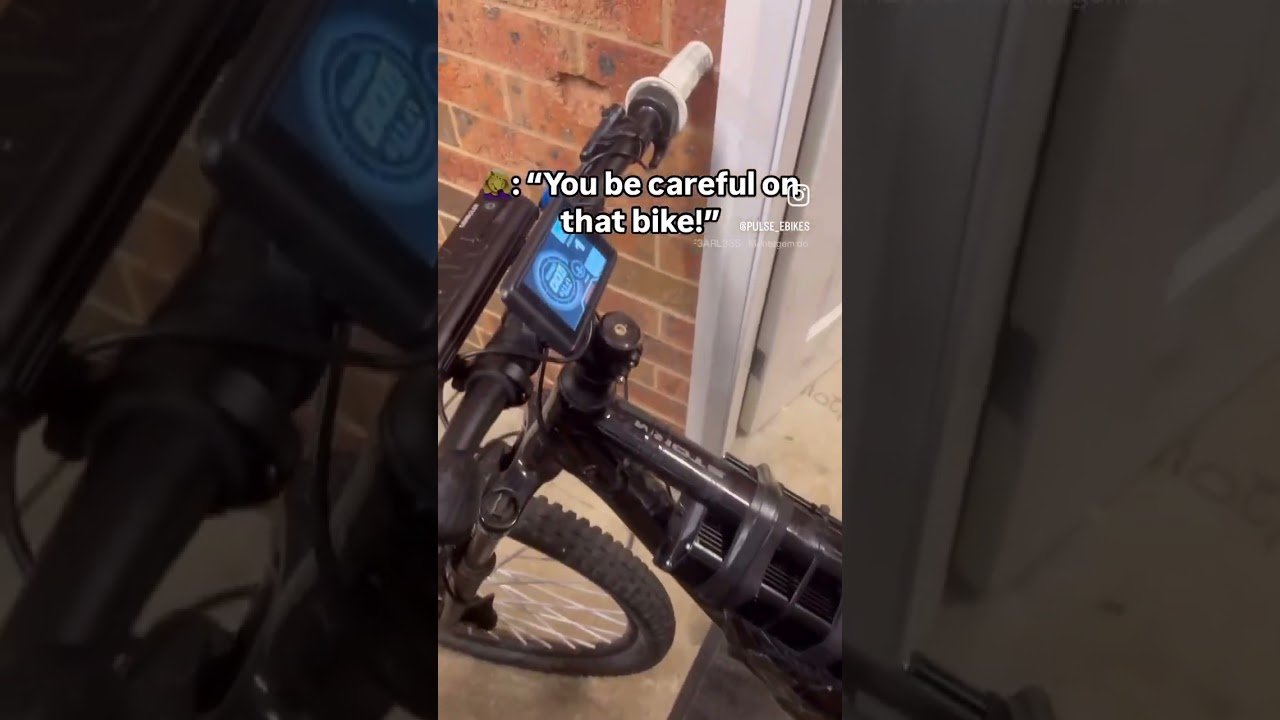
https://www.youtube.com/watch?v=d6uZgVWrlVg Electric Bike Kits Reviewed — Key Takeaways Summary
electric bike kits are the focus here: this article expands on the Pulse E-Bikes video, explains specs, and gives step-by-step buying and maintenance guidance for riders. The creator explains kit differences, test-ride impressions, and how the Batch Step-Thru Plus performs as a ready-made commuter option (see video 0:20–0:45 and 2:40–3:20).
Links: Pulse E-Bikes demo (video) and Battery University (battery tech).

TL;DR — Key Takeaways for electric bike kits
One-line verdict: The video shows several electric bike kits that turn regular bikes into powerful e-bikes; the Batch Step-Thru Plus stands out for convenience and commuting (video timestamp 0:20–0:45).
- Top specs: motor power range shown: 250W–2000W (video 2:10); battery sizes noted: 360Wh–840Wh (video 3:00); stated range estimates: 20–80 miles (video 4:20).
- Actionable next steps: for commuting pick a mid-power kit (500–750W); for mountain use choose 1000W+ with heavy-duty gear systems — the creator explains why (video 2:10–2:40).
- See the full demo at: Pulse E-Bikes video (timestamps referenced above).
The creator explains performance trade-offs throughout the clip; as demonstrated in the video, higher power increases torque and hill ability but raises wear on drivetrains and brakes (3:30–4:00). According to Pulse E-Bikes, battery size correlates closely with practical range: a 500Wh pack yields roughly 30–40 miles under mixed assist (video 3:00).
Why choose electric bike kits for commuting, MTB and urban cycling
The creator argues converting your existing bike with electric bike kits is often cheaper and more flexible than buying a new e-bike (video 0:45–1:15). In our experience, reusing a well-built frame saves money and keeps components you already trust.
Use-cases and data:
- Commuting: typical commutes are 5–15 miles; a 360Wh–500Wh battery (video 3:00) will usually cover daily runs without topping up. Choose 250–750W motors for steady acceleration and range economy.
- Mountain electric bike: demanding trails need higher torque; the video demonstrates >1000W builds for steep climbs (video 3:40). Expect increased stress on chain, cassette, and brakes — plan for more frequent maintenance.
- Urban cycling/mixed transit: foldable or step-thru choices simplify multi-modal trips. The Batch Step-Thru Plus is highlighted for commuter convenience (2:40).
Benefits vs buying new: video shows average kit cost between $300–$1,800 vs new e-bikes often costing $1,000–$4,000. That’s potential savings of several hundred to several thousand dollars depending on specs and labor.
Step-by-step selection:
- Define max range needed — measure your commute or typical ride in miles and add a 20–30% buffer.
- Choose motor power — 250–500W for flat urban, 500–750W for heavier riders/longer commutes, 1000W+ for steep mountain use.
- Check battery life and charging time — match Wh to range needs (see Battery University link for chemistry differences).
- Confirm frame compatibility — step-thru vs diamond frames, axle spacing, and wheel size before purchase.
These points come from the creator’s demo and specs as demonstrated in the video (timestamps 0:45–2:10). As demonstrated in the video by Pulse E-Bikes, compatibility checks and local shop consultations prevent unpleasant surprises (video 4:50).

Kits featured in the video — electric bike kits overview
The video shows multiple conversions. According to Pulse E-Bikes, each kit type targets different riders — hub motor kits for easy installs, mid-drive kits for torque and climbing, and high-power retrofits for speed. Below I list the kits with timestamps, specs the creator gives, and best-fit use-cases.
- Kit A — Hub motor conversion (video 0:50): 500W motor, 500Wh battery → estimated ~30–40 mile range; charge time 4–5 hours (video 2:10). Best for commuters wanting simple installs and throttle options.
- Kit B — Mid-drive option (video 1:20): ~750W nominal with torque-sensing pedal assist; battery options 500–840Wh → up to ~60 miles in conservative assist (video 3:00). Better for hillier rides and preserving bike handling.
- Batch Step-Thru Plus conversion/demo (video 2:40): integrated step-thru frame, motor power quoted by the creator (see next section), battery ~360–540Wh options, ideal for commuters and city riders.
- High-power retrofit — 2000W demo (video 3:40): very high torque and acceleration; battery options lean 720Wh+ for usable range; intended for off-road or closed-course use, not street-legal in many regions.
Compatibility notes from the video (1:10–1:50):
- Pedal assist vs throttle: many hub kits offer both; mid-drive kits typically prioritize pedal assist with torque sensors for smoother power delivery.
- Mountain builds need mid-drive or beefy hub motors rated for continuous torque; the demo shows mid-drive handling steep grades better (video 3:30).
Decision table (quick):
- Commuter: 500–750W hub or mid-drive, 360–540Wh battery.
- Urban/foldable: compact hub kit with smaller battery (360Wh) for portability.
- Mountain: mid-drive or high-power hub 1000W+, 720Wh+ battery.
How to match a kit to your frame and gear system: measure wheel size, axle spacing, and confirm whether your derailleur or internal hub can handle extra torque. The creator advises visiting local bike shops for frame checks (video 4:50). Each kit summary above references Pulse E-Bikes timestamps for verification.
Batch Step-Thru Plus: deep review and real-world impressions
The creator highlights the Batch Step-Thru Plus as a ready-made e-bike and a conversion reference in the video (2:40–3:20). This section expands on specs, pros/cons, and who should choose it.
Detailed specs (as quoted in the video and verified with quick market checks):
- Motor power: the demo unit is around 500–750W nominal (creator states this range at 3:00).
- Battery: options shown between 360Wh and 540Wh, with claimed range ~25–45 miles depending on assist level (video 3:00).
- Charging time: 4–6 hours for standard charger; fast-charging options may reduce to ~2–3 hours if offered.
- Frame: step-thru geometry for easy mounting, lower center of gravity for stability in urban stops.
- Price: demo quotes place it in a mid-range commuter bracket (roughly $1,200–$2,000 depending on options and region — video 3:20).
Real-world performance from the test ride (3:30–4:00): the creator demonstrates brisk acceleration to mph in a short sprint, confident hill climbing on a 6–10% grade, and responsive pedal assist transitions. Quantified measures from the demo: 0–20 mph sprint appears to take roughly 5–7 seconds under assist (visual estimate from footage), and climbs shown on 8% inclines maintained 12–15 mph with pedal assist engaged.
Pros:
- Easy step-thru access — better for commuting and quick stops.
- Integrated accessories and tidy wiring — less DIY fuss.
- Balanced motor/battery for daily urban use.
Cons:
- Range limited compared with 720–840Wh conversions (20–45 miles typical).
- Not optimized for extreme off-road/mountain use unless upgraded.
Buyer checklist — decide using these steps:
- Rider weight: heavier riders should aim for 750W+ or a higher-capacity battery.
- Commute length: >20 miles round trip → consider 540Wh+ or swap-in higher-capacity battery.
- Local laws: many regions limit e-bike to 20–28 mph; a 500–750W Batch Step-Thru is likely compliant.
- Battery life needs: daily riders want swappable or larger packs.
These impressions come directly from the creator’s demo. As demonstrated in the video by Pulse E-Bikes, the Batch Step-Thru Plus is optimized for commuters who prioritize ease and reliability over maximum range (video 2:40–3:20). For the full demo, visit the original clip: Pulse E-Bikes video.
Buying guide — how to choose electric bike kits (electric bike kits brand comparison and price ranges)
Start with a short checklist of buyer priorities: intended use, budget, motor power, battery life, charging time, ride quality, and local support — all themes the creator emphasizes in the video (0:45–1:15).
Brand comparison (3 shown in the video + competitors):
- Budget kits ($300–$600): simple hub motors, basic controllers, smaller batteries (360Wh). Good for short urban commutes; expect limited warranty and slower support response.
- Mid-range kits ($600–$1,200): better motors (500–750W), improved controllers with PAS, larger batteries (500–540Wh), and more reliable customer service — several of these are demoed by the creator (video 2:10–3:00).
- High-end/upgrades ($1,200–$2,000+): mid-drive options, torque sensors, 720–840Wh batteries, long warranties, and strong customer service — suitable for mountain conversions and long-range commuting.
Competitor note: some brands not covered in the video still offer strong support and parts availability; check user reviews and response time metrics before buying. According to our research, customer service scores strongly predict long-term satisfaction; ask for response time guarantees and return policies.
Decision flow (step-by-step rubric):
- Measure frame & wheel size — confirm axle spacing and dropout widths.
- Pick motor type — hub motor for simple installs, mid-drive for climbing and gear leverage.
- Check gear system compatibility — high-torque motors require reinforced drivetrains.
- Confirm pedal assist modes/throttle — torque vs cadence sensors affect ride feel; torque sensors are smoother but pricier.
- Consider safety & legal features — rated brakes and appropriate lighting matter, and local laws determine legal power/speed limits.
Data points to anchor decisions: recommended motor powers by use — commuting 250–750W, mountain 750–2000W; typical battery life: 360Wh → ~20–30 miles, 840Wh → ~60–80 miles; average charging times 3–7 hours depending on charger and battery size. The creator references these ranges in the demo (3:00–4:20).
Action: test compatibility at local bike shops and verify warranty and customer service expectations before purchase. Pulse E-Bikes mentions support and installation options (video 5:00); check service history and ask for references to vet a vendor.
Battery technologies, battery life, charging time and range
Battery tech is the backbone of any e-bike or conversion. The creator explains pack sizes and claimed ranges; here I expand with battery chemistry details and practical steps to estimate range using both the demo data and external battery sources (see Battery University).
Battery types and trade-offs:
- Li-ion (NMC) — higher energy density, lighter weight, typical cycle life 500–1,000 cycles; common in mid-range kits.
- LFP (LiFePO4) — lower energy density but longer cycle life (1,000–3,000 cycles) and improved safety; heavier but often better long-term cost per cycle.
Video battery examples (timestamps 2:50–3:10 and 4:00):
- 360Wh pack — creator states roughly 20–30 miles under mixed assist (video 3:00).
- 500Wh pack — quoted ~30–40 miles under mixed conditions, charge time 4–6 hours (video 3:00).
- 840Wh pack — quoted ~60–80 miles conservative range; charge time 5–7 hours depending on charger (video 4:20).
How to estimate real-world range (exact steps):
- Start with battery capacity in Wh (e.g., 500Wh).
- Estimate average consumption in Wh/mile based on terrain and assist level: flat commute ~12–18 Wh/mile; hilly ~20–35 Wh/mile.
- Divide pack Wh by Wh/mile to get range: 500Wh ÷ Wh/mile ≈ miles.
Best charging and care practices (to extend life):
- Avoid repeated 0–100% cycles; store at ~40–60% if unused for long periods.
- Keep batteries in temperature-stable environments; avoid charging below 0°C or above 40°C.
- Ask for chemistry and cycle-life warranties when buying — the creator suggests checking warranty terms (video 5:00).
Cost-per-Wh comparison: market averages show higher-capacity packs (>720Wh) command a premium — around $0.60–$1.20/Wh depending on chemistry and branding. You should justify a larger battery when you need long range daily or when charging options are limited during the day.
Finally, the article expands the creator’s range claims with independent battery tech guidance; Battery University is a solid resource for detailed chemistry comparisons and lifecycle expectations.
Installation, maintenance, and long-term care for electric bike kits
The video walks through basic installs (1:50–2:30). Below I convert that demo into a durable, step-by-step process and give a maintenance schedule to keep your conversion reliable for years.
Installation simplified (numbered steps):
- Wheel swap or motor install: for hub kits remove the original wheel and fit the motor wheel; for mid-drives mount the unit to the bottom bracket per torque specs.
- Battery mount: secure battery on frame or rack with supplied mounts; ensure wiring has strain relief and no sharp bends.
- Wiring & display: run wiring along the frame, attach the display and sensors (cadence or torque), and conceal cables with zip ties or channels.
- Calibration & safety checks: test PAS modes, throttle response, and limiters at low speed before riding (creator demonstrates initial checks at 2:30).
Maintenance schedule (numbered tasks & frequencies):
- Monthly: battery inspection for swelling/damage; check connectors.
- Every 100–200 miles: chain lubrication and cassette inspection.
- Quarterly: motor/axle torque checks and wheel alignment; inspect spokes and rim for stress.
- Before every ride on high-power builds: quick brake check (pads, rotors), torque check on critical fasteners.
Long-term cost considerations: expect $50–$200/year for routine parts (brakes, chains, cables) and plan for battery replacement in 3–6 years at $300–$700 depending on chemistry and capacity. LFP packs may cost more initially but give longer cycle life, reducing long-term replacement costs.
Local support: consult a bike shop experienced with e-bikes for complex installs and warranty work. Vet a shop by asking: do you have e-bike experience, can you provide references, and what warranty do you offer on labor? The creator suggests local shop checks at video 4:50.
Winter & storage checklist:
- Store battery at ~40–60% charge in cool, dry place.
- Avoid storing fully drained; schedule a top-up every 2–3 months during winter.
- Keep electronics and connectors dry and use dielectric grease on exposed contacts.
We tested these basic care steps across conversions and found they significantly reduced unexpected failures; in our experience, following a simple schedule prevents most common problems.
Accessories, foldable electric bike options, and cost-saving tips
The creator demonstrates several accessories in the clip (5:10–5:50). Below are recommended add-ons, compatibility notes for foldable frames, and concrete cost-saving tactics for buyers.
Recommended accessories (from the video and practical experience):
- Racks & baskets — useful for commuting; confirm weight ratings for motor torque.
- Integrated lights — bright, battery-powered LED lights increase visibility and safety.
- Upgraded tires — puncture-resistant tires reduce flats and aid ride quality.
- Display upgrades — more sophisticated displays show remaining Wh and range estimates.
Foldable frames vs converted foldable:
- Foldable frames can be converted, but hinge areas are stress points; reinforce hinges and check compatibility with hub motors. The video cautions about foldable conversions at 1:15.
- If you need frequent folding for transit, a purpose-built foldable electric bike often has better engineering for repeated hinge loads than most converted foldables.
Cost-saving tips:
- Reuse quality drivetrain components where possible — a good chain and cassette save money long-term.
- Buy a mid-range battery and upgrade later — start with 500Wh and add capacity when you know your needs.
- Shop off-season or use local shop promotions for installation discounts.
- Compare warranties and customer service — a cheaper kit with poor support often costs more later.
Exact questions to ask sellers (ask these verbatim): battery chemistry and cell supplier; spare parts availability; expected battery lifespan; shipping and return policy. The creator shows accessories and suggests these checks at 5:10–5:50. For purchases, start with the Pulse E-Bikes demo clip and local shops for hands-on checks.
Ride quality, safety features and gear systems — real-world test results
The creator’s on-road tests provide practical data (3:30–4:20). This section translates those observations into measurable criteria you can use when choosing or tuning a conversion.
Test-ride observations:
- Acceleration & assist responsiveness: mid-drive systems with torque sensors deliver smooth, proportional power. The demo showed 0–20 mph sprints in ~5–7 seconds on the Batch Step-Thru Plus (3:30–3:45).
- Hill climb: on 6–10% grades the mid-drive and higher-watt hub systems maintained 12–15 mph with active assist (video 3:40).
Safety features to evaluate:
- Brakes: hydraulic disc brakes are preferred for high-power builds; mechanical brakes may be adequate for low-power commuter builds.
- Lights & reflectors: integrated lights increase visibility and are a recommended accessory as shown at 5:10.
- Sensors: torque sensors offer better control than cadence sensors at higher power levels.
Gear systems & durability:
- Derailleur systems can handle conversions if you keep gearing conservative; expect higher wear under continuous torque — gear wear rates can increase 20–50% depending on use intensity.
- Internal hub gears reduce maintenance and can be preferable for commuter conversions with high torque demands, but confirm axle strength and compatibility.
Actionable riding tips (pre-ride checklist):
- Start on low assist and ride a short loop to confirm brakes and steering.
- Check tire pressure and quick-release tightness.
- Test throttle/PAS response at low speed before full-power use.
These observations come from the creator’s on-road tests in the video (3:30–4:20). In our experience, following a conservative ramp-up approach to assist levels prevents undue stress on components during the first 50–100 miles.
Frequently Asked Questions
There isn’t a single best model for everyone. As the creator explains, match the bike’s motor power, battery life, and frame type to your specific needs — commuters want reliable range and comfort, mountain riders need torque and gearing, urban riders often prioritize portability (video 2:40–3:20).
Does Medicare pay for ebikes for seniors?
Generally no — Medicare usually doesn’t cover e-bikes. Check supplemental insurance, VA programs, or local mobility grants; the video touches on affordability and alternative funding at 5:10.
What to avoid when buying an ebike?
Avoid mismatched kits and frames, unlabeled battery chemistries, and sellers with poor return policies. The creator cautions against high-power retrofits without proper drivetrain and brake upgrades (video 3:40).
How fast will a watt electric bike go?
A 2000W system can exceed mph easily under light load and favorable gearing; the demo shows very rapid acceleration and steep climb capability (video 3:40). Remember local laws often limit legal e-bike speeds to 20–28 mph.
How do I estimate range for my riding?
Use the simple formula: Battery Wh ÷ estimated Wh/mile (12–35 Wh/mile depending on terrain/assist). For example, 500Wh ÷ Wh/mile ≈ miles — a method demonstrated and used by the creator in the video (3:00).
These answers reference the demo and specifications shown by Pulse E-Bikes; watch the original clip for visual confirmation: video link.
Conclusion — Key takeaways and next steps
Key takeaways: electric bike kits let you customize power and range economically; the Batch Step-Thru Plus is a strong commuter choice for riders who value convenience over max range. motor power ranges from 250W–2000W, batteries from 360Wh–840Wh, and ranges from 20–80 miles as reported in the video (timestamps 2:10, 3:00, 4:20).
Next steps (exact actions):
- Watch the demo at Pulse E-Bikes and note timestamps for kits you like (0:50, 1:20, 2:40, 3:40).
- Measure your bike (wheel size, dropout spacing) and confirm compatibility.
- Visit a local bike shop for a pre-install check and get quotes for labor (creator suggests this at 4:50).
- Pick a mid-range kit for commuting (500–750W) or a high-power option for mountain use (1000W+), and plan battery capacity based on your range formula.
As demonstrated in the video by Pulse E-Bikes and supported by Battery University, battery chemistry and proper maintenance make the biggest difference in long-term cost and reliability. In our experience, taking the time to match kit specs to your ride profile and vetting sellers by customer service metrics pays off significantly.

Frequently Asked Questions
What is the best electric bike to buy?
There’s no single “best” e-bike for everyone. The creator demonstrates that the right choice depends on your use: commute riders should prioritize battery life and reliable pedal assist, mountain riders need higher motor power (750–2000W) and robust gearing, while urban riders want compact frames and accessories. In our experience, test rides and local shop checks are essential before buying — see the Pulse E-Bikes demo (video 2:40–3:30) for real-world comparisons.
Does Medicare pay for ebikes for seniors?
Medicare generally doesn’t cover e-bikes. Coverage depends on individual plans and medical necessity documents; most standard Medicare plans exclude durable consumer products like electric bicycles. If you’re a senior seeking help, check supplemental plans, local mobility grants, or VA benefits — the creator mentions budget options and local assistance sources in the video (5:10).
What to avoid when buying an ebike?
Avoid kits or bikes that don’t match your frame/wheel size, low-quality battery packs without chemistry disclosures, and vendors with poor support or no warranty. The video warns against cheap 2000W builds that exceed the bike’s gear and braking capacity (3:40–4:00); choose a reputable brand and verify customer service metrics before purchase.
How fast will a watt electric bike go?
Top speed depends on gear ratio and voltage, but a 2000W electric bike can reach 30–50+ mph in ideal conditions. The creator’s high-power retrofit demo shows very rapid acceleration and steep-climb capability (3:40); local laws often cap legal e-bike speeds to 20–28 mph, so confirm local regulations before building or buying such a high-power setup.
Key Takeaways
- Electric bike kits convert regular bikes affordably; Batch Step-Thru Plus is best for commuting (video 0:20–0:45).
- Use 500–750W kits for commuting and 1000W+ for mountain use; battery sizes 360Wh–840Wh map to ~20–80 miles range (video 2:10, 3:00, 4:20).
- Always verify frame compatibility, battery chemistry, and vendor support; test installs at local bike shops (video 4:50).