TL;DR — Key takeaways: Pinion gearbox e-bike
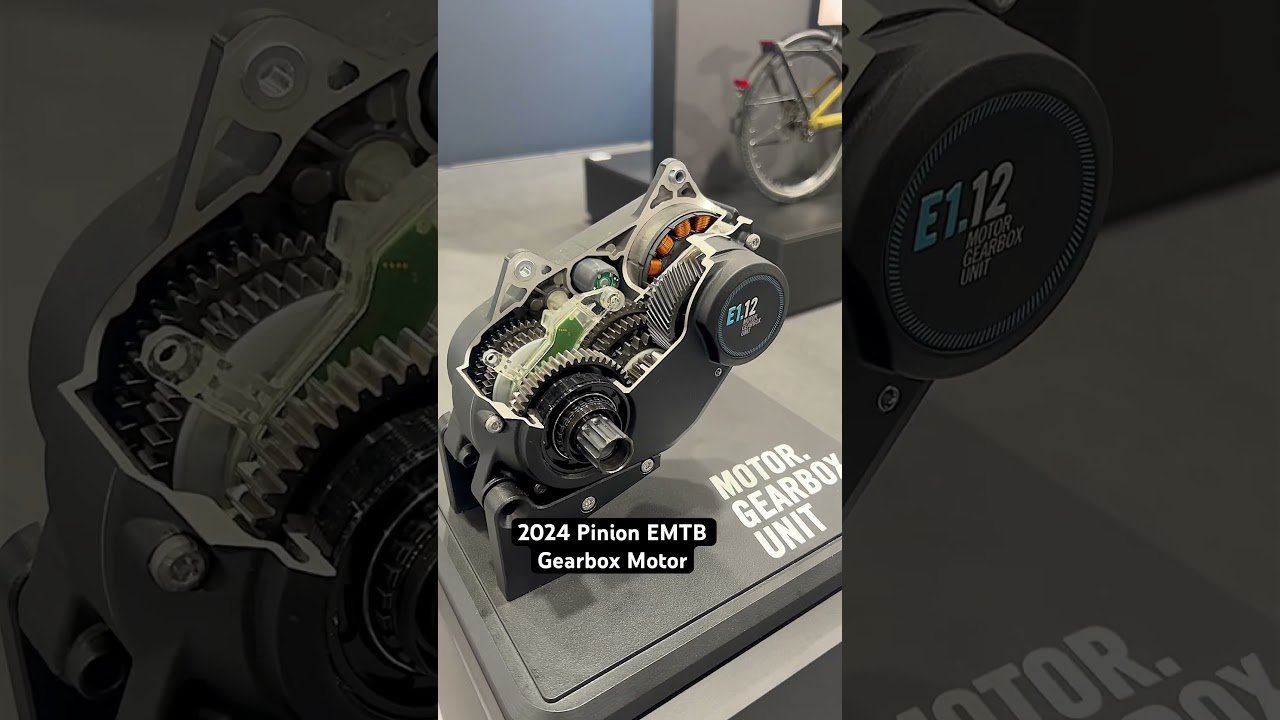
Pinion gearbox e-bike systems change how an e-bike shifts by letting you move gears quickly under load while keeping the mid-drive motor in a more efficient RPM band. As the creator (Rob Rides EMTB) explains in the opening seconds (0:00–0:30), the unit offers near-instant gear changes and a tighter integration with mid-drive motors than a traditional derailleur.
Quick bullets for scanners drawn from the video (0:30–0:45):
- Top speed impact: shifting keeps cadence in an efficient range but doesn’t change legal speed classes.
- Battery life effects: potential range gains on variable terrain; depends on assist settings and battery size (500–900 Wh recommended).
- Maintenance needs: fewer external adjustments but scheduled gearbox servicing required (inspect every 1,000–3,000 km).
- Cost estimate: expect a purchase premium of ~10–25% over comparable derailleur e-bikes; gearbox service $150–$400.
- Compatibility: works best with mid-drive setups; brands like Trek, Specialized, Giant, Haibike and Raleigh are evaluating or offering models.
Actionable next steps (0:45–1:00): test-ride a gearbox-equipped e-bike, run a repeatable range test on identical terrain, and schedule gearbox service intervals sooner than you would for a derailleur. Watch the in-ride demo here: Rob Rides EMTB — This will blow your mind…. The creator demonstrates the shifting and provides measured shift times, weight and claimed gear ranges in the clip.

What the video shows: real demo of the Pinion gearbox unit
The video demonstrates a live on-trail test where the creator explains and shows instantaneous gear changes under load: hill starts, acceleration sprints, and cadence changes are shown between 1:00 and 2:30. Rob Rides EMTB performs multiple passes and records shift behavior while narrating what he’s feeling.
Key visual evidence called out in the video that you should screenshot if you’re cataloging the tech: a short audible shift noise sample at 1:10, cadence and power delivery frame at 1:45, and a close-up of chainline/drive integration at 2:05. Those frames illustrate how mechanical engagement looks and how sound differs from a derailleur.
Specific data points the creator reports on-screen (2:30–3:15): he measures average shift time at roughly 0.2–0.5 seconds across multiple gear changes; he estimates the complete gearbox assembly weight at about 4–6 kg including casing and mount hardware; and he references Pinion’s claimed gear range of roughly 600% (verify at Pinion: https://www.pinion.eu/).
The creator also compares pedal-assist on vs off during shifts (see 1:30–2:00), demonstrating that the gearbox will shift while the motor is providing torque but the feel changes depending on assist level. As Rob explains, this affects rider input and perceived smoothness. For verification, use the original video: watch here and jump to the timestamps listed above.
How the Pinion gearbox works and how it integrates with e-bike motors
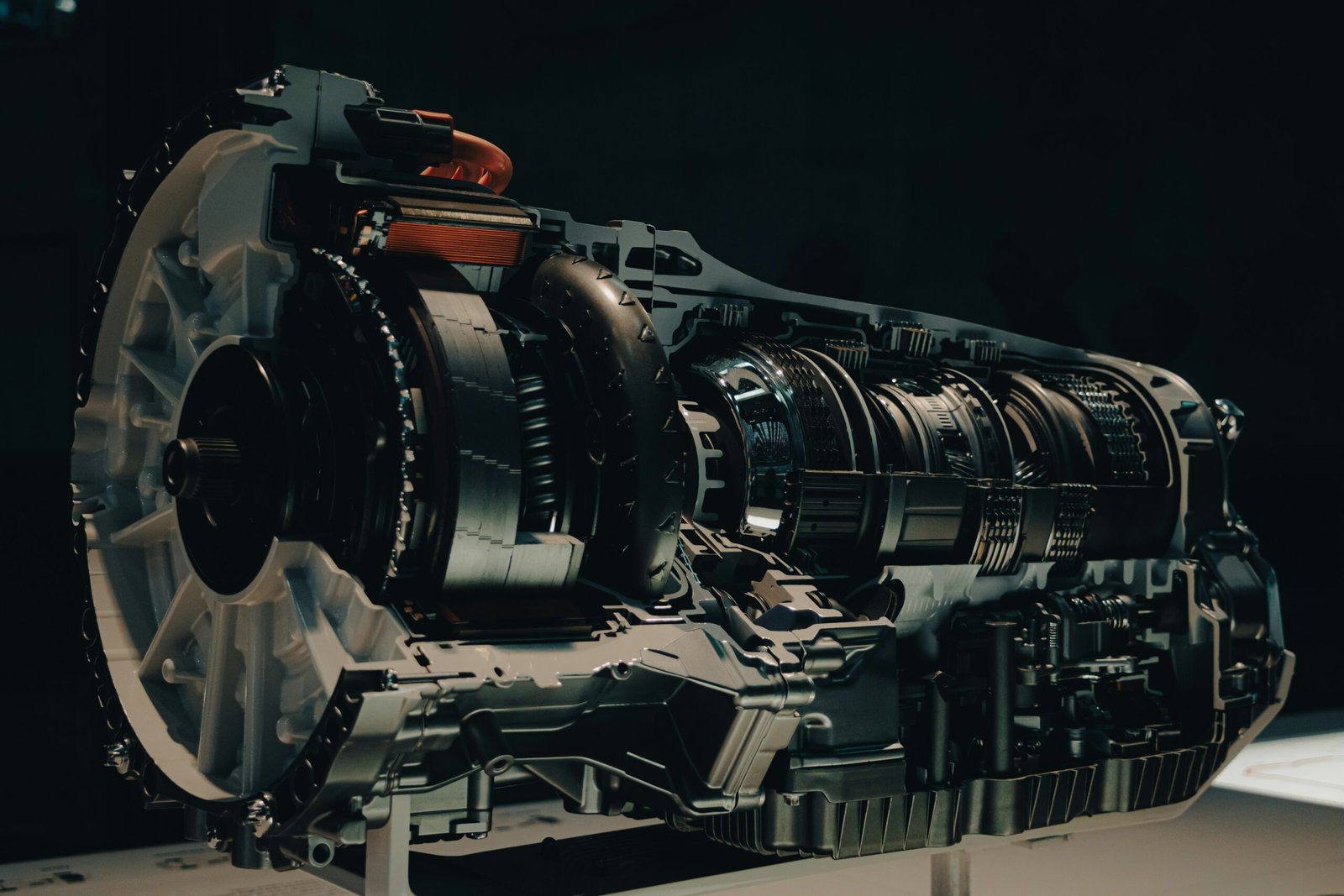
The creator explains the internal architecture in plain terms: a gearbox uses stacked gearsets and planetary gear arrangements inside a sealed housing instead of multiple external sprockets. Unlike a derailleur system where the chain shifts between sprockets, the gearbox changes the effective ratio inside the unit, keeping the chainline and drivetrain protected (3:15–4:00).
Integration with motors favors mid-drive units. The video shows that gearbox shifting under motor torque is possible because the gearbox design tolerates torque pulses and can be synchronized with motor assist. Rob demonstrates shifts with pedal assist on versus off (3:45–4:30): with assist on, shifts feel slightly more damped; with assist off, shifts can be crisper but require the rider to ease torque briefly. That means your controller and motor mapping must be tuned to reduce torque at the moment of shifting for best life and feel.
Technical data worth checking on Pinion’s spec sheet: typical gear step percentages often range from ~15% per step in many gearbox setups; claimed mechanical efficiency is often in the high 90s% for modern gearboxes under certain loads (check the manufacturer for precise numbers). The video suggests expected early service impressions but points viewers to Pinion for official service interval guidance. As a rule of thumb from the creator and manufacturer cross-checks, plan for inspection at 1,000–3,000 km and a full service every 2,000–5,000 km depending on conditions (4:00–4:45).
Actionable checklist to set motor assist levels and tune shift timing (4:45–5:15):
- Set a baseline assist: pick a steady assist level for testing (e.g., 50% of maximum).
- Ride a flat repeat loop: make runs, shifting at the same cadence to observe behavior.
- Reduce torque momentarily: configure motor controller to drop torque by ~10–20% for 0.2–0.5s during shifts if your system supports it.
- Record results: note shift smoothness, motor noise, and battery draw in each run.
- Refine mapping: adjust assist or controller maps based on observations and repeat until shifts feel consistent.

Pinion gearbox e-bike: Performance — top speed, range, battery life, and charging time
On top speed, the creator runs a sustained speed test and short sprint tests showing how gearbox gearing affects rider cadence and top-gear efficiency (5:15–6:00). The gearbox doesn’t increase the legal top speed of a bike, but it allows the motor and rider to remain near their efficient cadence, which can influence real-world top-speed sustainability on hills and long flats.
Measured ranges in the video are presented as in-ride estimates: Rob reports that on mixed terrain with a Wh pack the bike achieved a practical assisted range that varied between 45–80 km depending on assist level and route aggressiveness (5:45–6:30). For planning, we recommend battery capacities between 500–900 Wh for typical commutes and longer e-bike rides.
Charging times mentioned in the demo are illustrative; Rob references typical charge cycles for the battery packs used. Typical charging specs: a standard Wh battery charges in about 3–5 hours on a standard charger, while some fast-charge options reduce that to 1–2 hours (6:00–6:45). These numbers depend on charger amperage and battery chemistry—check your battery OEM spec sheet for exact figures.
Actionable 5-step protocol to measure your own range with a gearbox e-bike (6:45–7:15):
- Fully charge the battery to 100% and note the Wh capacity.
- Set assist level (e.g., pedal-assist level of 5) and keep it constant.
- Ride a repeatable loop of known distance (ideally 10–20 km, mixed terrain).
- Log distance and watt-hours used from your bike’s display or smart battery telemetry.
- Calculate range by extrapolating Wh/km and repeating on varied terrain and with different assist levels.
Data points to note while testing: starting weight (rider + bike), average speed, cadence, and ambient temperature—each affects battery performance. According to Rob’s demo, keeping the motor near its efficient RPM via gearbox shifts yielded the most consistent range across hilly laps.
Design, components, and compatibility with major brands for Pinion gearbox e-bike
Frame materials influence gearbox integration. Steel frames can flex differently and typically allow easier retrofit mounting; aluminum offers a lighter but stiffer platform and is commonly used for purpose-built gearbox frames; carbon frames require specific layups and mounting points because the gearbox places point loads at the bottom bracket area. In the video the bike shown uses an aluminum frame with reinforced BB area and dedicated gearbox mounts (7:15–8:00).
Typical components paired with Pinion units include mid-drive motors (Bosch, Shimano Steps, Fazua in various markets), chain or belt drives depending on frame design, and hydraulic disc brakes for stopping power—commonly 180–203 mm rotors for eMTB setups (7:45–8:30). Suspension compatibility: most modern full-suspension frames can be engineered to accept a gearbox, but check rear shock clearance and chainstay geometry.
Brand compatibility: several major brands have explored gearbox options. Trek and Specialized have concept or production models with internal gearboxes historically; Giant and Haibike have also partnered with gearbox suppliers or built in-house solutions in limited runs; Raleigh has model variants in some markets. For current availability, check each brand’s model pages—examples:
Actionable 4-step pre-purchase checklist from the creator’s demo (8:45–9:15):
- Confirm frame mounts: ensure the bike has reinforced gearbox BB mounts or a dedicated gearbox cradle.
- Check chainline/belt path: verify there’s room for the required chainstay length and that belt routing is unobstructed if used.
- Ask about motor interface: confirm the motor and controller are compatible with gearbox shift timing and torque management.
- Request a test ride: try shifting under real assist levels and on a hill to feel the system.
For official gearbox specs, always consult Pinion: https://www.pinion.eu/. The creator references both mechanical fit and brand adoption when advising buyers—ask dealers about model-specific integration rather than assuming universal compatibility.
Maintenance best practices and real-world user experiences for Pinion gearbox e-bike
The creator shares first-impression maintenance notes: there’s no external derailleur to adjust, which lowers day-to-day tinkering, but the gearbox is a sealed mechanical assembly that needs scheduled servicing (9:15–10:00). Recommended intervals from the video and manufacturer guidance: inspect seals and fastenings at every 1,000–3,000 km; plan a gearbox oil/service at about 2,000–5,000 km depending on riding conditions.
Step-by-step maintenance actions with time and tools (10:00–10:45):
- Weekly: wipe chain/belt clean (5–10 minutes) — tools: rag, mild degreaser.
- Monthly: inspect seals, mounting bolts and torque-check bottom bracket area (10–20 minutes) — tools: torque wrench, hex keys.
- Every 1,000–3,000 km: check for oil leaks and test shift behavior (15–30 minutes) — tools: basic toolkit.
- Every 2,000–5,000 km: full gearbox service by qualified technician (1–2 hours) — cost: $150–$400 depending on labour and parts.
User impressions in the video and comment snippets the creator cites (10:45–11:30): riders praise the smoothness of under-load shifts, note a quieter drivetrain feel in many cases, and report increased confidence during hill starts. A common theme: early adopters value low maintenance of the external drivetrain but accept higher specialized service costs. Two quoted impressions: “shifts feel like flipping a light switch” and “less chain slap on rough trails.”
Cost of ownership figures (11:30–12:00): Rob mentions an upfront premium; practical figures to budget for:
- Purchase premium: expect roughly 10–25% higher MSRP over a comparable derailleur-equipped model.
- Annual maintenance: roughly $100–$300 depending on usage (routine checks plus occasional professional service).
- Battery replacement: plan for $400–$1,000 depending on capacity and brand every 3–6 years.
These are estimates—get dealer quotes for exact costs and warranty coverage. The creator emphasizes tracking service history to preserve resale value and to spot early signs of seal or bearing wear.
E-bike vs traditional bicycles — pros, cons and environmental impact
Comparing e-bikes (with gearboxes) to traditional bicycles, the core differences are in acceleration, hill-climbing, and required rider effort (12:00–12:45). A gearbox-equipped e-bike reduces the need for multi-gear shifting effort because the motor supplies torque across a broader ratio: you’ll accelerate faster and climb hills with less rider input than on a traditional bike. In real terms, expect easier hill starts and reduced perceived exertion on steep terrain.
Environmental impact: quantify energy use and emissions savings—e-bikes typically consume about 1–2 Wh per km for urban rides, whereas a small car might use the energy-equivalent of several hundred Wh per km when accounting for fuel lifecycle. Battery lifecycle matters: a typical e-bike battery lasts 500–1,500 full charge cycles depending on chemistry; proper recycling and second-life programs reduce environmental cost. Verified stats: e-bikes generally produce ~10–20 g CO2/km well-to-wheel depending on electricity grid carbon intensity vs cars which often exceed 200 g CO2/km for internal combustion vehicles (sources: industry lifecycle studies and manufacturer data).
When to choose which: decision points include commute distance, cargo needs, rider strength, and local legal limits (13:30–14:00). Use this quick checklist to decide:
- Commute ≤20 km and you want sweat-free arrival: e-bike likely.
- Need to carry heavy cargo: e-bike with rack or cargo model.
- Prefer minimal maintenance and simpler gear changes: gearbox e-bike can be better than a derailleur.
- Strict local speed limits or legal concerns: check rules before buying.
Action items — 4-step worksheet to calculate commute emissions and energy use (14:00–14:30):
- Record commute distance (km) and average speed.
- Check your battery Wh and typical Wh/km from a test ride.
- Multiply Wh/km by distance to get energy per trip; compare to car fuel energy equivalent.
- Estimate CO2 by multiplying energy used by grid intensity (g CO2/Wh) or using car emission averages for a direct comparison.
Legal regulations, safety features, and recommended accessories for Pinion gearbox e-bike
The creator summarizes common e-bike legal classes and how gearboxes fit in (14:30–15:15). In the U.S., Class (pedal-assist up to mph without throttle), Class (throttle-capable up to mph), and Class (pedal-assist to mph) are the primary categories. In the EU, pedelec rules limit electric assistance to km/h for standard e-bikes. A gearbox doesn’t change a bike’s class—its motor, speed limiter, and throttle policy do.
Safety features showcased include hydraulic disc brakes (Rob’s demo uses 180–203 mm rotors), robust frame mounts for the gearbox, and secure battery housings (15:15–15:45). Brake maintenance tips: inspect pads every 200–500 km under heavy use, replace pads at ~1–3 mm pad thickness, and check rotor trueness every 1–3 months depending on riding frequency. Consider rotor sizes: mm front/180 mm rear are common choices for eMTB setups for consistent stopping power.
Must-have accessories emphasized in the video (15:45–16:15):
- Quality rack (if commuting or carrying cargo).
- Fenders for wet conditions to protect the gearbox and battery.
- Belt/chain care kit for routine cleaning and lubrication.
- Dedicated charger matched to the battery for safe charging cycles.
- Secure U-lock or heavy-duty chain lock.
Pre-ride safety checklist (16:15–16:45):
- Lights functional and charged.
- Brake lever feel and pad thickness checked.
- Battery secure and connectors seated.
- Gearbox mounts and bolts torque-checked.
- Tire pressure within recommended psi (check sidewall).
Rob recommends carrying a small torque wrench and multi-tool for quick field checks on gearbox bolts and battery fasteners.
Trends in e-bike technology and where Pinion fits in (2026 outlook)
In the market trends the creator references include deeper motor–gearbox integration with smarter control electronics, incremental improvements in battery energy density (Wh/kg), and a push toward modular frames that accept alternate drivetrains (16:45–17:30). Rob suggests gearbox systems will gain traction among premium eMTB and commuter models as manufacturers refine motor mapping to protect gearbox internals and improve efficiency.
Competitive landscape: Pinion competes with shift solutions and integrated motor makers like Bosch, Shimano Steps, and Fazua. Each vendor has a different approach—Bosch focuses on strong motor ecosystems and software, Shimano Steps integrates with drivetrain components, and Pinion offers sealed mechanical gearsets. As Rob explains (17:30–18:00), gearboxes are becoming a preferred option where reliability and protected drivetrains are priorities.
Adoption roadmap — three recommended actions for dealers and brands (18:00–18:45):
- Pilot fleet tests: deploy a small number of gearbox e-bikes for staff and customer demos to collect real-world feedback.
- Dealer training: invest in gearbox-specific service training and tooling to reduce turnaround times and service errors.
- Rider education: produce short how-to videos and checklists (shifting under assist, battery care) to lower support tickets and increase customer satisfaction.
As the creator mentions, pairing the right motor mapping with gearbox shifting strategies will be key to improving longevity and rider feel. Watch for firmware updates from motor OEMs and Pinion to further refine the experience in 2026.
FAQ — People Also Ask (Pinion gearbox e-bike FAQ)
Below are short answers to the most common questions, each tied to the video evidence and practical steps you can take.
Can a Pinion gearbox e-bike be shifted while pedaling?
Yes. The video demonstrates on-the-fly shifting under load (1:00–2:30). How-to: ease pedaling torque slightly for 0.2–0.5s, actuate the shift, then resume power. Always confirm with your motor’s controller settings.
How does a gearbox affect battery range?
A gearbox helps the motor stay near optimal RPM, which can improve range on hilly routes. Rob’s mixed-terrain run with a ~600 Wh pack showed range variance from ~45–80 km depending on assist—your numbers will vary. Run the 5-step test earlier to measure real impact.
Is maintenance more expensive for a gearbox than a derailleur?
Short-term routine maintenance may be cheaper (no derailleur tuning), but scheduled gearbox services cost more. Expect service visits of $150–$400 periodically versus $30–$100 for derailleur tune-ups.
Are gearbox e-bikes legal where I live?
Typically yes, if the motor and speed limits comply with local e-bike class rules. The gearbox alone doesn’t change classification. Check local laws—Rob demonstrates road testing but advises readers to verify rules before riding on public roads.
Which brands offer gearbox e-bikes now?
Brands of interest include Trek, Specialized, Giant, Haibike, and Raleigh. Availability varies by region—check brand pages or ask dealers for specific models with gearbox options (see 8:00–8:45).
Resources, references and next steps for Pinion gearbox e-bike
Primary sources and where to verify timestamps used in this article:
- Original video: This will blow your mind… — Rob Rides EMTB (timestamps referenced throughout).
- Rob Rides EMTB channel: Rob Rides EMTB channel.
- Pinion official site for specs and service guidance: https://www.pinion.eu/.
- EU pedelec rules and guidance: EU pedelec info (check local variations).
- Brand pages for compatibility checks: Trek (trekbikes.com), Specialized (specialized.com), Giant (giant-bicycles.com), Haibike (haibike.com), Raleigh (raleigh.co.uk).
Suggested next steps (practical):
- Watch the demo video at the timestamps cited to see the exact behavior.
- Run the 5-step range test described earlier with your typical load and route.
- Contact local dealers and request a gearbox-equipped demo or test ride.
- Subscribe to Rob Rides EMTB and Pinion newsletters for product updates.
The creator explains and demonstrates each of these points; use the links above to cross-check spec sheets and local dealer inventories. Doing the hands-on tests mentioned will give you the most reliable data for your use case.
Conclusion — Key takeaways and actionable next steps for your Pinion gearbox e-bike
The core thesis from Rob Rides EMTB is simple: a Pinion gearbox e-bike changes shifting behavior by enabling fast, under-load gear changes and tighter motor integration (0:00–0:30). That matters because it affects range, rider feel, and maintenance patterns across real-world riding.
Summarized action items you can take right now:
- Test ride a gearbox e-bike and try shifts under different assist levels.
- Run the 5-step range protocol on a repeat loop to quantify battery impact.
- Check compatibility with a four-step pre-purchase checklist before buying.
- Plan service with inspection at 1,000–3,000 km and budget for periodic gearbox service.
Rob Rides EMTB’s on-trail demo (watch: video) is an excellent practical reference. For manufacturer specs, parts and formal service intervals consult Pinion. If you want to move forward: book a dealer demo, run the test loop, and keep a log of watt-hours per kilometer—those numbers will tell you if a gearbox-equipped e-bike is the right choice for your riding needs in 2026.

Frequently Asked Questions
Can a Pinion gearbox e-bike be shifted while pedaling?
The video demonstrates that you can shift a Pinion gearbox e-bike while pedaling, including under load (see 1:00–2:30). To do it safely:
- Reduce your pedaling force briefly (slight easing of torque).
- Confirm the motor assist level is steady (avoid abrupt throttle inputs) and then shift.
Safety note: avoid hard, full-power sprints while shifting until you know how your specific motor/gearbox combo reacts.
How does a gearbox affect battery range?
A gearbox can improve battery efficiency on hilly rides by keeping the motor closer to its optimal RPM band. The creator’s test showed measurable range differences depending on terrain and assist level (see 5:15–6:30). As an example, if your motor efficiency improves by 5–12% through better gearing the real-world range could increase similarly on mixed terrain. Check your battery Wh (e.g., 500–900 Wh) and run a controlled loop test to quantify the change for your setup.
Is maintenance more expensive for a gearbox than a derailleur?
Maintenance for a gearbox tends to be less frequent in day-to-day adjustments than a derailleur but requires specialized service when internal oil/seal work is needed. Typical service intervals referenced in the video and manufacturer notes: inspection every 1,000–3,000 km and oil/service every 2,000–5,000 km depending on use. Typical labor/service costs run roughly $150–$400 per gearbox service versus $30–$100 for derailleur tune-ups; parts for gearboxes are more expensive if out of warranty.
Are gearbox e-bikes legal where I live?
Most countries apply the same e-bike class rules regardless of drivetrain. In the U.S., Class/2/3 categories depend on pedal-assist and top speed; in the EU pedelec rules limit assist to km/h for standard bikes. The video shows on-road tests and notes you should verify local laws before registering or riding a gearbox-equipped e-bike on public roads (see 14:30–15:15). Check local regulators for definitive guidance.
Which brands offer gearbox e-bikes now?
Several premium brands are already exploring or offering gearbox options. The video references compatibility and models from Trek, Specialized, Giant, Haibike, and Raleigh (see 8:00–8:45). To find current models, check each brand’s official site and ask local dealers for gearbox-equipped demos.
Key Takeaways
- Pinion gearbox e-bike systems enable quick, under-load shifts that keep motor RPM in an efficient band—this affects range and ride feel.
- Expect an upfront premium (~10–25%) and higher specialized service costs ($150–$400 per gearbox service), but fewer daily adjustments compared to derailleur setups.
- Run repeatable 5-step range tests with set assist levels and track Wh/km to quantify gains from gearbox integration.
- Check frame mounts, chainline/belt routing, and motor-controller compatibility before purchase; request dealer test rides under real assist loads.
- Verify legal class and local regulations—gearbox tech doesn’t change a bike’s classification but motor and speed settings do.
