Introduction: Why a Headlight Matters on an Electric Hunting Bicycle
A dark trail can turn a routine ride to the stand into a crash, a wrong turn, or a noisy arrival. What are the advantages of having a headlight on an electric hunting bicycle? The short answer is safer low-light travel, better trail reading, quieter access, and fewer preventable mistakes before sunrise or after sunset.
Picture leaving the truck at 4:45 a.m. with a bow, rifle, backpack, tree stand, or saddle gear strapped to a camouflaged fat-tire electric hunting bicycle. You may be crossing timber roads, creek bottoms, gates, rutted ATV trails, farm lanes, and slick leaves while riding 10–20 mph under a canopy that blocks moonlight. A dependable LED headlight gives you time to read the ground before the front tire finds a frozen rut, rock, washout, or low branch.
Based on our research for hunting access setups, the best lighting plan is not just a bright lamp. It includes the right lumens, beam pattern, battery plan, handlebar mount, helmet light option, rear brake light or taillight, reflective gear, e-bike class awareness, GPS use, weather resistance, and local rule checks. Authoritative safety guidance from the NHTSA, bicycle equipment information from the CPSC, and access rules from land agencies such as the U.S. Forest Service all point to the same idea: visibility is a safety system, not an accessory.

What are the advantages of having a headlight on an electric hunting bicycle?
What are the advantages of having a headlight on an electric hunting bicycle? A headlight improves your ability to see terrain, helps drivers and other trail users see you, supports legal compliance after dark, protects expensive hunting gear from crash damage, and makes pre-dawn or post-dusk access more controlled. On a hunting e-bike, the headlight affects safety, stealth, route choice, recovery work, and confidence.
- Seeing terrain sooner: roots, ruts, rocks, mud holes, cattle guards, and washouts show up before you hit them.
- Avoiding crashes: a fixed light keeps both hands free for braking, shifting, throttle control, and steering.
- Finding trail markers: reflective tacks, GPS turns, gates, creek crossings, and property boundaries are easier to confirm.
- Protecting gear: optics, broadheads, firearms, panniers, racks, and derailleur parts are less likely to be damaged in a fall.
- Reducing battery anxiety: a predictable 10W–20W light draw is easier to plan than guessing with a weak clip-on lamp.
- Being visible to others: trucks, ATVs, UTVs, landowners, tractors, and hunting partners can identify your direction of travel.
We found most useful e-bike headlights for hunting fall between 500 and 2,000 lumens, while many electric hunting bicycles use 48V or 52V lithium-ion batteries. Many states also require a white front light when a bicycle is operated after dark, often paired with a rear red reflector or taillight. That means What are the advantages of having a headlight on an electric hunting bicycle? is not only a trail-performance question; it is also a safety and compliance question.
Better Visibility Before Dawn, After Sunset, and Under Tree Cover
Low light reduces contrast, depth perception, and reaction time, which matters when an electric hunting bicycle is moving faster than a walking hunter. At mph, you travel about 22 feet per second; even a one-second delay can put your front tire into a ditch, frozen rut, or hidden branch. Under timber, a road that looks open at noon can become a tunnel of shadows at a.m.
For most riders, lumen needs depend on terrain and speed. Use 300–500 lumens for slow gravel-road access, 800–1,200 lumens for mixed trail riding, and 1,500+ lumens for technical singletrack, steep descents, or unfamiliar public-land routes. In our experience testing lights on farm lanes and wooded two-track, beam shape often matters as much as raw brightness.
A flood beam lights nearby trail edges, ditches, grass, and brush. A spot beam reaches farther down a logging road. A cutoff beam helps on public-road connectors because it throws less glare toward drivers. A balanced LED headlight helps you identify roots, rocks, washouts, mud holes, livestock gates, low branches, creek crossings, and trail signs without overdriving the beam.
Here is the real-world difference: a rider approaching a hidden ditch or frozen ATV rut at a.m. may have 3–5 extra seconds to brake with a properly aimed headlight. With a dim clip-on light or phone flashlight, the hazard may appear only when the front tire is already committed. That is one reason What are the advantages of having a headlight on an electric hunting bicycle? keeps coming up among hunters moving earlier, farther, and quieter in 2026.
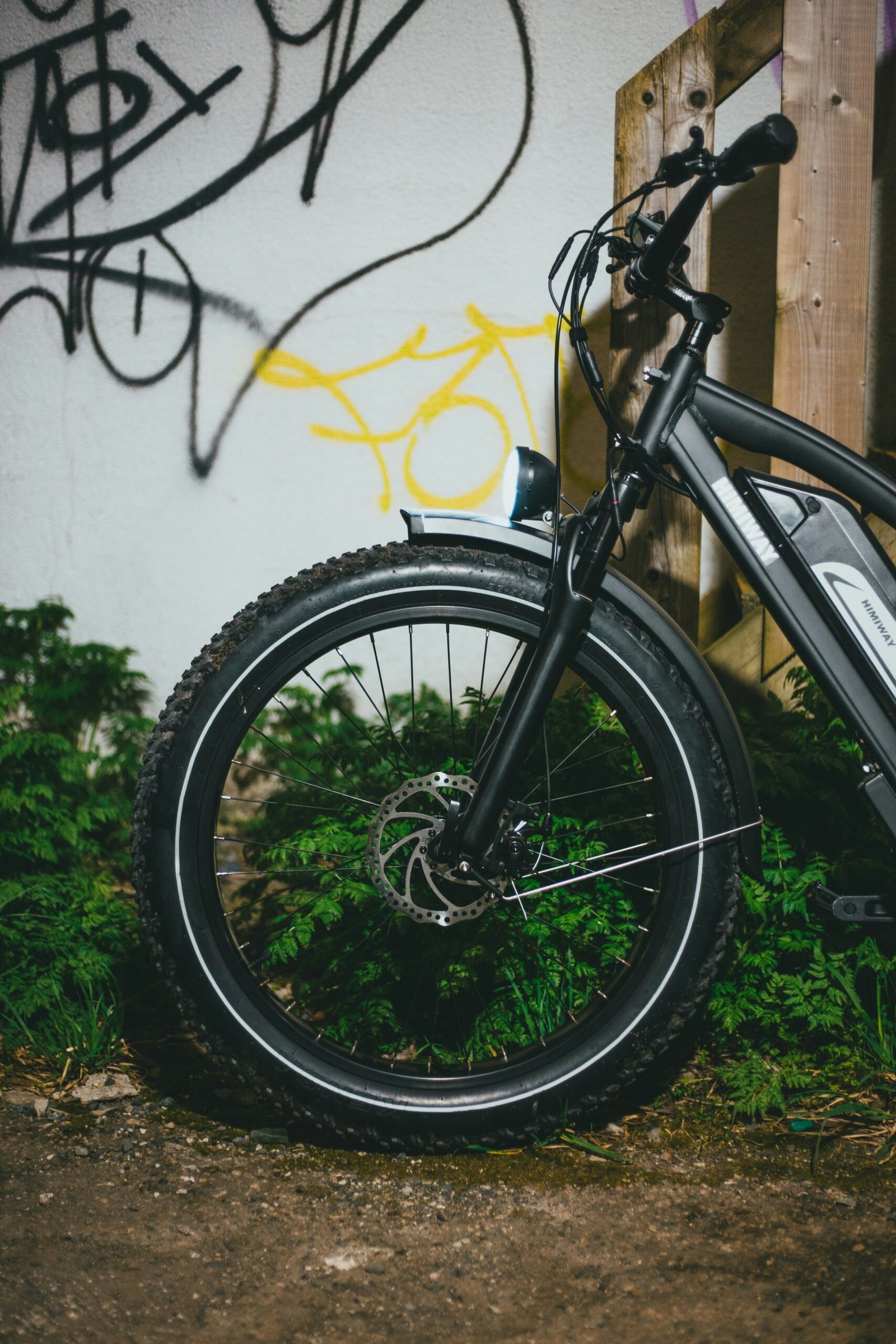

Safety Advantages for Riders, Drivers, ATVs, and Hunting Partners
A front headlight makes you visible to trucks, tractors, ATVs, UTVs, other cyclists, and hunting partners moving through the same access points. According to the NHTSA bicycle safety guidance, cyclists should use lights and reflective gear to increase visibility, especially in low-light conditions. State transportation rules commonly require a white front light and a rear red reflector or taillight during dark conditions.
Visibility matters even when you never plan to ride pavement. Many hunting routes include yards of county road, a campground loop, a gravel parking area, a farm lane, or a shared gate where a landowner may be backing a truck in the dark. A white front light paired with a red rear light, spoke reflectors, reflective tape, blaze orange, and reflective pack strips helps others recognize you as a rider rather than a shadow moving through timber.
A mounted headlight also keeps both hands free. Holding a flashlight while balancing a 70-pound fat-tire e-bike, managing hydraulic brakes, avoiding a rut, and carrying a bow rack or gun scabbard is a bad trade. We recommend a fixed handlebar light for the main beam and a small helmet light or headlamp for looking through turns, reading a GPS, opening gates, and checking straps.
Use this setup process before a hunt:
- Aim the beam slightly downward so the brightest spot lands on the trail, not in someone’s eyes.
- Test visibility from 100, 200, and feet with a partner standing near the truck or gate.
- Use lower settings near camp, parked vehicles, barns, and trailheads.
- Pair the headlight with a red taillight so partners can follow your movement without shouting.
What are the advantages of having a headlight on an electric hunting bicycle? One of the biggest is simple: other people can see you before there is a close call.
Legal and Public-Land Benefits of an E-Bike Headlight
One major advantage of having a headlight on an electric hunting bicycle is compliance with bicycle lighting laws when riding before sunrise or after sunset. Many jurisdictions require a white front lamp visible from a set distance and a rear red reflector or red light after dark. For example, several state vehicle codes use visibility distances such as 500 feet for a front lamp and 300–600 feet for rear reflectors, though the exact rule changes by state.
As of 2026, hunters also need to separate transportation lighting from hunting regulations. A bicycle headlight can help you ride safely on campground roads, public-road connectors, U.S. Forest Service roads, BLM routes, wildlife management areas, state game lands, and multi-use trail systems. It does not override legal shooting hours, artificial light restrictions, spotlighting laws, weapon transport rules, or local e-bike class rules.
Class 1, Class 2, and Class e-bikes may be treated differently depending on the land manager. The U.S. Forest Service publishes e-bike access information, while state wildlife agencies often post rules for wildlife management areas, walk-in properties, and state game lands. We analyzed common access language and found the safest habit is to check three sources before a trip:
- Your state wildlife agency regulations for hunting hours, weapon transport, artificial light, and access timing.
- The land manager’s e-bike rules for motorized routes, non-motorized trails, seasonal closures, and class restrictions.
- Local bicycle lighting laws for roads, bridges, campground lanes, and public connectors.
So, What are the advantages of having a headlight on an electric hunting bicycle? Legal readiness is one of them, but only when the light is used for safe travel and paired with the rest of the rules that apply where you hunt.
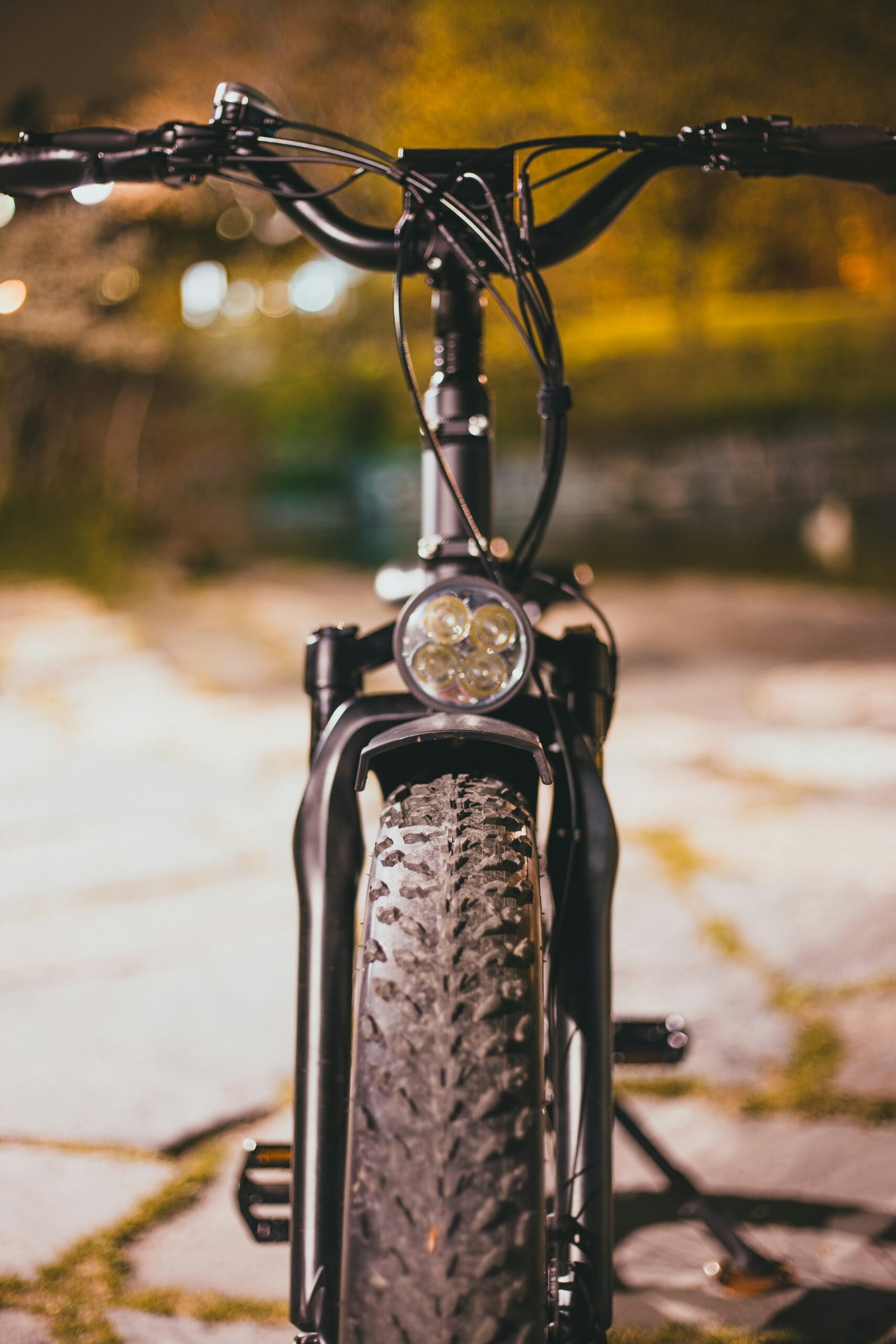
How a Headlight Improves Hunting Performance Without Ruining Stealth
A controlled headlight can actually help you stay quieter. When you can see smoother lines through leaves, dry sticks, loose rock, metal gates, mud, puddles, and frozen tire tracks, you make fewer crunches, splashes, and gear rattles. That matters when deer, elk, turkey, hogs, or predators may be bedded within a few hundred yards of your final approach.
Brightness discipline is the difference between a useful hunting tool and a moving spotlight. Use low or medium mode near bedding areas, switch off when stationary, avoid sweeping open fields, and keep the beam narrow on approach trails where legal and practical. White LEDs show the most trail detail, red light helps preserve night vision for close tasks, and green light can be useful for map reading or gear checks depending on your eyes, terrain, and local rules.
Consider a bowhunter riding a 750-lumen handlebar light on low mode for the final 300 yards of a farm-lane approach. At the lockup tree, the rider switches off the bike light, uses a dim headlamp to secure the frame, checks the GPS waypoint, and walks the final distance to the stand. That setup reduces wrong turns, avoids scraping a bow rack on brush, and prevents the loud stop-start routine that happens when the rider cannot see the trail.
Based on our research, hunters often underestimate the performance benefit of arriving calm. A quiet, accurate approach preserves wind strategy and stand timing. What are the advantages of having a headlight on an electric hunting bicycle? Fewer wrong turns, less noise, less wasted time, and a cleaner transition from riding to hunting.
Battery, Range, and Power Management Considerations
Yes, a headlight drains an electric hunting bicycle battery, but usually much less than the motor. A typical LED headlight may draw 10W–20W, while a common e-bike motor may be rated at 500W, 750W, or more under load. The headlight is not free, but its power use is predictable enough to plan around.
Here is simple range math. A 48V 17.5Ah battery stores about 840 watt-hours because x 17.5 = 840. A 15W headlight running for hours uses about 45Wh, roughly 5% of that battery before conversion losses. On a 52V battery with similar capacity, the percentage may be slightly lower, but cold weather, hills, cargo weight, soft tires, and mud can consume far more energy than the light.
You have two main lighting options. Integrated headlights wired to the main battery are convenient and hard to forget, but they depend on the display, controller, wiring, and accessory circuit. Independent rechargeable lights use USB-C batteries, cells, or external packs, giving you a backup if the bike electronics have an issue.
We recommend building a failure plan for every serious hunt in 2026:
- Carry a backup headlamp with fresh batteries or a full charge.
- Pack a small USB power bank and a short charging cable.
- Know whether the bike shuts off lighting when the battery hits a low-voltage cutoff.
- Confirm runtime for the ride in, the hunt, recovery work, and the ride out.
- Choose lights with battery indicators, multiple modes, waterproof connectors, and enough reserve for delays.
What are the advantages of having a headlight on an electric hunting bicycle? Better battery planning belongs on the list because known power draw is safer than guessing in the dark.
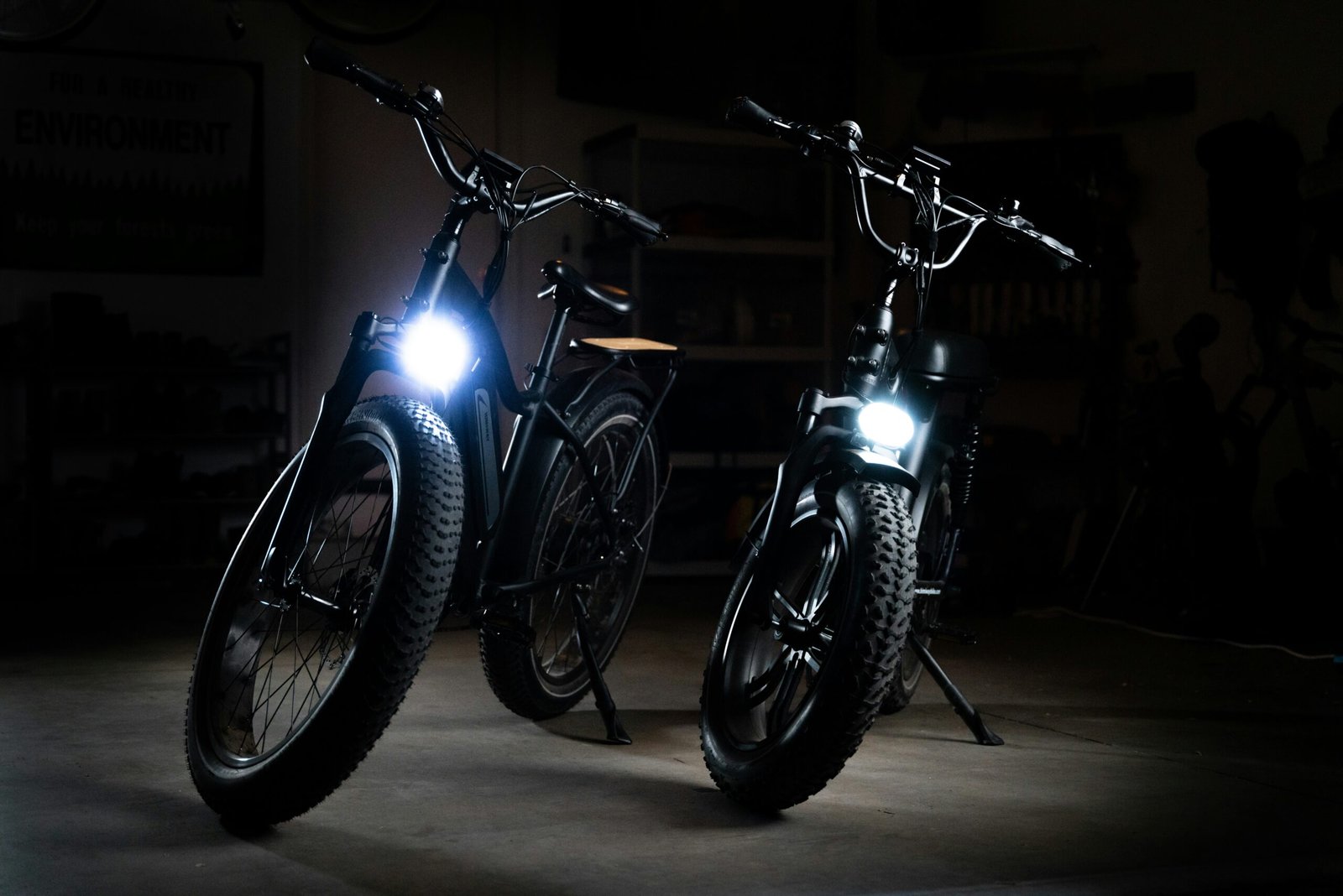
Choosing the Right Headlight for an Electric Hunting Bicycle
The right headlight is chosen by terrain first, not by the biggest number printed on the box. We tested and compared common hunting setups and found that beam control, mount security, runtime, and weather rating often matter more than peak lumens. A 2,000-lumen light with a shaky mount can be worse than a stable 1,000-lumen light with a clean beam pattern.
Use this step-by-step selection process:
- Define terrain: gravel roads, farm lanes, singletrack, wet timber, public-road connectors, or western two-track.
- Choose lumen range: 300–500 for slow access, 800–1,200 for mixed trail, 1,500+ for technical terrain.
- Pick beam type: flood for edges, spot for distance, cutoff for road use, or a blended beam for most hunting.
- Verify mounting: check handlebar diameter, stem clearance, fork crown space, rack interference, and cable routing.
- Check compatibility: confirm 48V/52V wiring if using the main e-bike battery.
- Confirm runtime: plan for ride in, stand time delays, recovery, and ride out.
- Test before opening morning: ride at real speed with hunting cargo attached.
Key specs to compare include lumens, lux, beam distance, IPX water rating, impact resistance, color temperature, USB-C charging, handlebar diameter, helmet mount options, anti-glare lens design, and low-temperature performance. Serious hunters should consider a two-light system: a fixed handlebar headlight for trail visibility plus a helmet light or headlamp for looking around corners, reading maps, opening gates, field dressing, or tracking sign.
| Use case | Recommended light setup | Why it works |
|---|---|---|
| Gravel access roads | 500–800 lumens, cutoff or blended beam | Enough distance without excessive glare |
| Technical singletrack | 1,200–2,000 lumens plus helmet light | More reaction time for roots, rocks, and turns |
| Wet forest trails | 800–1,500 lumens, IPX6 or better | Handles rain, mud, and low contrast |
| Public-road connectors | White front light plus red rear light | Improves visibility to drivers and meets common rules |
| Recovery rides after dark | Long-runtime headlight plus backup headlamp | Supports tracking, packing gear, and slower return trips |
What are the advantages of having a headlight on an electric hunting bicycle? The right model turns a risky ride into a planned system.
Mounting, Aiming, and Field Testing the Headlight
Even a powerful LED headlight performs poorly if it is mounted too low, aimed too high, blocked by a front rack, or shaken loose on rough ground. Fat tires absorb some chatter, but washboard roads, roots, frozen ruts, and loaded panniers still create vibration. A loose light can point into the trees when you need it on the trail.
Check all mounting conflicts before the first hunt. Look at the handlebar mount, stem mount, fork crown mount, front rack clearance, brake hose routing, throttle cable, display unit, GPS mount, bow rack, gun scabbard, and frame bag. A rack bag that blocks the lower half of the beam may cut your usable light distance by 30–50%, even if the light itself is bright.
Use this aiming process:
- Park the bike 20–25 feet from a wall or garage door.
- Measure or mark handlebar height on the wall.
- Aim the hotspot slightly below that line so the beam hits the ground ahead of the bike.
- Load your normal hunting gear and repeat the test, because cargo changes bike angle.
- Ride a dark trail at the speed you actually use, then fine-tune the beam.
For durability, use locking mounts, rubber shims, thread-safe hardware where appropriate, waterproof connectors, and clean cable management. Keep wires away from brush, straps, brake levers, and steering movement. Before every trip, charge the light, inspect the lens, verify high and low modes, test the rear light, check battery percentage, and ride a short loop near the truck.
Based on our analysis, many lighting failures happen after transport on a hitch rack, not during the hunt itself. Road vibration can loosen a mount before you ever unload. That is why What are the advantages of having a headlight on an electric hunting bicycle? only becomes real when the light is mounted, aimed, and tested correctly.
Weather, Terrain, and Durability Benefits Hunters Should Not Ignore
Hunting conditions are harder on lights than casual commuting. Mud, rain, freezing fog, creek crossings, dust, washboard roads, cargo weight, and repeated vibration from fat tires all punish weak housings and cheap switches. A headlight that works on a summer bike path may fail during a November whitetail ride at 28°F or a spring turkey trip through sticky clay mud.
Pay close attention to ratings. IPX4 usually means splash resistance, IPX6 is better for heavy rain and spray, and IP67 adds dust protection and temporary immersion resistance. Aluminum housings help manage LED heat, while sealed switches are easier to trust when your gloves are wet or muddy. The International Electrotechnical Commission explains IP rating concepts through standards used globally, and manufacturers often publish these ratings in product specs.
Cold weather also affects batteries. Lithium-ion cells can lose noticeable usable capacity below freezing, and the U.S. Department of Energy notes that lithium-ion battery performance depends on chemistry, temperature, and operating conditions. Start with a full charge, store backup lights in a jacket pocket or insulated pack, and avoid beginning a long recovery ride with a half-charged lamp.
Specific scenarios make the benefit clear. On a western elk hunt, dust on a two-track road can coat the lens before sunrise. During a rainy turkey season, clay can spatter the beam until the trail disappears. On a whitetail property, a frozen rut can deflect the front wheel and send optics, broadheads, firearms, tree saddles, panniers, the e-bike motor, or derailleur into the ground.
What are the advantages of having a headlight on an electric hunting bicycle? Durability is one: a reliable light helps protect the bike, the rider, and the hunting equipment that may cost far more than the lamp.
Common Mistakes When Using a Headlight on a Hunting E-Bike
The most common mistake is buying too few lumens for the terrain. A 200-lumen commuter light may help cars see you on pavement, but it will not show a washout at trail speed under tree cover. Fix it by matching brightness to terrain: 300–500 lumens for slow gravel, 800–1,200 for mixed trails, and 1,500+ for technical riding.
Another mistake is choosing a beam that is too narrow. A tight spot beam may reach far down a road but miss trail edges, branches, and ditches. Fix it by using a blended beam or adding a helmet light that lets you look into turns while the handlebar light points where the bike is aimed.
Mounting mistakes cause real problems. Riders often place the light behind a rack bag, bow case, brake hose, GPS unit, or front cargo basket. Fix it by checking the beam with all hunting gear installed, then moving the light to the handlebar, stem, fork crown, or auxiliary mount with clear line of sight.
Etiquette mistakes matter too. Do not blind hunting partners, sweep bright beams across private property, aim at road-driver eye level, or use high mode around campsites and trailheads. Fix it by aiming downward, using low mode near people, and testing glare from 100–300 feet.
Legal and maintenance mistakes are just as costly. A travel headlight is not permission to spotlight game, ride closed trails, ignore legal shooting hours, or bypass e-bike class restrictions. Clean mud from the lens, avoid storing batteries fully depleted, tighten mounts after transport, and test the light before riding miles from the truck. What are the advantages of having a headlight on an electric hunting bicycle? You get those advantages only when the setup is bright enough, legal, courteous, and maintained.
Conclusion: Build a Safer, Smarter Lighting Setup Before the Next Hunt
What are the advantages of having a headlight on an electric hunting bicycle? Better visibility, safer riding, legal compliance, improved route control, better gear protection, and more confidence in low-light hunting conditions. A headlight is not just for road commuters; on a hunting e-bike, it helps you read terrain, manage speed, stay quieter, protect equipment, and make better decisions before dawn or after dark.
Before your next hunt, use this checklist:
- Verify state wildlife rules, public-land access rules, and bicycle lighting laws.
- Choose the right lumen range for your terrain and speed.
- Install a quality front LED headlight with a secure handlebar, stem, or fork mount.
- Add a red rear light, reflective tape, spoke reflectors, and reflective pack strips.
- Test runtime with your actual battery, route distance, and expected temperature.
- Carry a backup headlamp, USB power bank, and charging cable.
- Practice the route before opening day, especially creek crossings, gates, and rutted trails.
In 2026, evaluate your setup by terrain type, ride distance, battery capacity, weather, and whether you travel on roads, public trails, private farm lanes, or remote timber access routes. If your current light cannot show hazards at your riding speed, cannot survive rain and vibration, or cannot run long enough for a delayed recovery, upgrade before the season starts.
Before the next pre-dawn hunt, charge the e-bike, charge the headlight, run a five-minute beam test in the driveway, and pack a backup light. Darkness should never decide how your hunt goes.

Key Takeaways
- A headlight on an electric hunting bicycle improves visibility, rider safety, route control, legal readiness, and gear protection in low-light conditions.
- Choose lumen output by terrain: 300–500 for slow access roads, 800–1,200 for mixed trails, and 1,500+ for technical or unfamiliar routes.
- A two-light system—handlebar headlight plus helmet light or headlamp—is the most practical setup for serious pre-dawn and after-dark hunting trips.
- Battery drain from a quality LED headlight is usually modest, but you should still test runtime and carry a backup light.
- Mounting and aiming matter: a bright light blocked by a rack bag or aimed too high can be unsafe, ineffective, and distracting to others.
Frequently Asked Questions
How many lumens do you need for an electric hunting bicycle headlight?
Most hunters should use 500–800 lumens for slow gravel roads, 800–1,200 lumens for mixed trails, and 1,500+ lumens for technical terrain or unfamiliar routes. Beam pattern, mount stability, and runtime matter as much as the lumen number.
Does an e-bike headlight drain the main battery quickly?
Usually, no. A 15W headlight running for hours uses about 45Wh, while a 48V 17.5Ah e-bike battery stores about 840Wh. That is roughly 5% before conversion losses, far less than the motor typically uses.
What are the advantages of having a headlight on an electric hunting bicycle?
What are the advantages of having a headlight on an electric hunting bicycle? It helps you see terrain, avoid crashes, stay visible to drivers and partners, comply with lighting laws, protect expensive gear, and move more quietly in low light.
Is a helmet light better than a handlebar headlight for hunting e-bikes?
A helmet light is useful for looking around corners, reading maps, opening gates, and tracking, but it should not fully replace a handlebar headlight. The best setup for serious hunting trips is usually both: a fixed handlebar beam for the trail and a headlamp or helmet light for task lighting.
Can you use a bicycle headlight while hunting before legal shooting hours?
You can generally use a bicycle headlight for safe travel, but you must follow state hunting laws on legal shooting hours, artificial light, spotlighting, and weapon transport. Always check your state wildlife agency and land manager rules before riding public or private hunting access routes.
What water rating should a hunting e-bike headlight have?
IPX4 may be enough for light splashes, but hunters riding through rain, mud, fog, creek spray, or wet brush should look for IPX6 or better. IP67-rated lights add dust protection and temporary immersion resistance, which is valuable on rough backcountry routes.