What hunters need to know about Nakto e-bike battery capacity
If you’re asking, “What is the battery capacity of a Nakto electric bicycle for hunting?” the commonly listed answer is a 36-volt, 10-amp-hour lithium-ion battery. Multiplying volts by amp-hours gives approximately 360 watt-hours (Wh). That figure is useful, but it isn’t universal: Nakto models, production years, retailers, and replacement batteries can differ.
We researched current product listings and found that specifications aren’t always presented consistently. Before a hunting trip, check the label attached to the battery, the charger’s output label, and the owner’s manual. The physical pack should control when those sources conflict with a retailer’s description.
Voltage describes electrical pressure, amp-hours describe stored charge, and watt-hours provide the most useful estimate of total energy. The calculation is simple: volts × amp-hours = watt-hours. A 36V 10Ah pack therefore equals about 360Wh on paper, while its usable energy may be lower because the battery-management system preserves a reserve.
This guide compares Nakto battery specifications, range, charging time, replacement costs, terrain effects, cargo planning, and safe remote use. We also recommend checking U.S. Department of Energy battery resources and the relevant Nakto product documentation before buying a pack.
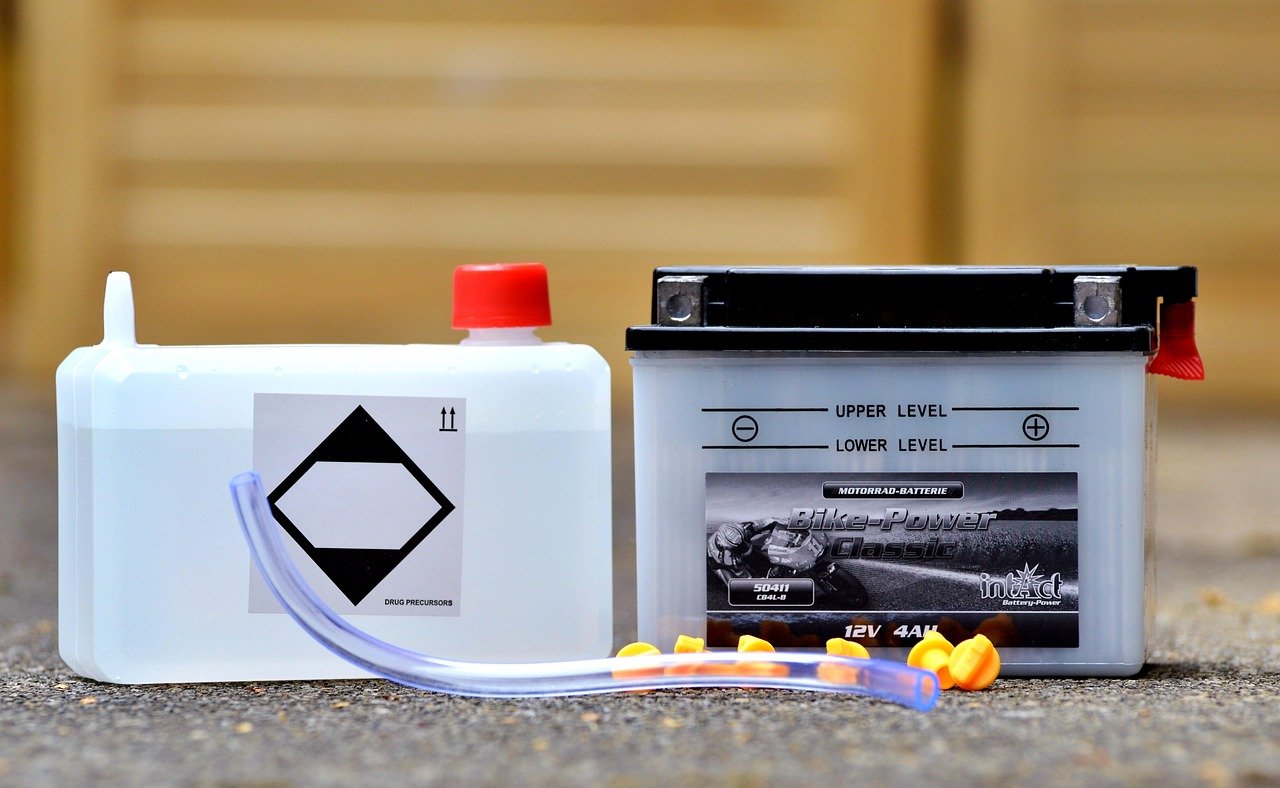

How much battery capacity does a Nakto electric bicycle have?
A commonly listed Nakto battery is a 36V 10Ah pack, or roughly 360Wh. The following table separates the advertised specification from details that must be confirmed on your individual bicycle.
| Item | Common listing or estimate | What you should verify |
|---|---|---|
| Nominal voltage | 36V | Battery and controller labels |
| Capacity | 10Ah | Battery label and manual |
| Energy | About 360Wh | Voltage × amp-hours |
| Chemistry | Lithium-ion | Manufacturer documentation |
| Charger output | Often approximately 42V for a 36V pack | Charger label |
| Motor compatibility | Typically a 36V hub motor system | Controller and display ratings |
Don’t plan to consume all 360Wh. A practical reserve of 20% to 30% leaves approximately to 288Wh for normal travel. By comparison, a 36V 12Ah battery stores about 432Wh, while a 48V 10Ah pack stores about 480Wh; those larger packs may weigh more and aren’t automatically compatible.
Based on our analysis, temperature, battery age, rider weight, tire pressure, and assist level can change usable capacity substantially. Photograph the battery label, charger label, connector, and model number before ordering anything. Those four records can prevent an expensive mismatch.
Which Nakto hunting bicycle models use this battery?
Nakto sells several configurations that may be used for hunting access, including fat-tire, cruiser, cargo, and step-through bicycles. A model name alone isn’t enough to prove battery compatibility. Identical names can appear across different production revisions, and a 36V pack fitted to one frame may use a different rail or connector on another.
We found that the safest verification method combines five sources: the frame model label, battery rail, connector, controller rating, and charger voltage. A battery that slides into the mount can still be dangerous if its polarity, battery-management system, or discharge rating differs.
Before contacting Nakto or a dealer, collect these five photographs or measurements:
- Photograph the complete battery label, including voltage and amp-hours.
- Photograph the charger label and output plug.
- Photograph the battery connector from several angles.
- Measure the battery rail’s length, width, and locking position.
- Photograph the frame serial or model code and controller label.
Reconcile conflicting information by comparing the retailer listing with the owner manual and manufacturer support response. Ask the seller to confirm compatibility in writing, not merely to say that the battery is “universal.”

How far can a Nakto electric bicycle travel while hunting?
A 360Wh battery might deliver roughly 18 to miles on level pavement or firm, flat paths, but hunting trails can reduce that figure sharply. Soft soil, hills, mud, repeated stops, and high assist may make a conservative range closer to to miles. The correct answer to “What is the battery capacity of a Nakto electric bicycle for hunting?” is only the starting point; energy consumption determines how far you actually travel.
Use this planning formula: estimated range = usable watt-hours ÷ watt-hours per mile. With a 360Wh nominal pack and no reserve, consumption of 10Wh per mile suggests miles, 15Wh per mile suggests miles, and 20Wh per mile suggests miles. If you reserve 25%, the usable planning figure is about 270Wh, reducing those estimates to 27, 18, and 13.5 miles.
Consider a 220-pound rider carrying pounds of hunting equipment on rolling forest trails. Low tire pressure, mud, headwinds, throttle starts, and elevation may push consumption toward 20Wh per mile or more. Plan the round trip around the lowest expected range and reserve at least 25% for the return, rather than trusting an optimistic manufacturer mileage claim.
We recommend riding the intended route with the intended load once before the season. Record the starting and ending battery percentages, miles, temperature, and assist setting; that field result is more valuable than a laboratory estimate.
What affects battery life on hunting trails?
Terrain and riding technique can change energy use by more than 50% between two trips of the same distance. Fat tires improve traction on loose ground, but low pressure and aggressive tread increase rolling resistance on pavement and packed dirt. Start with the pressure range printed on the tire sidewall, then adjust only after testing handling and rim protection.
Throttle riding typically draws more energy during acceleration than steady low-assist pedaling. Repeated starts, steep climbs, and high assist demand can produce sharp current spikes; smooth starts and moderate pedal assist generally use less energy. A motor cut-off when you stop pedaling or release the throttle also prevents unnecessary draw, but you should confirm how your Nakto controls behave.
Elevation matters. Raising a combined 300-pound rider-and-bike system by 1,000 vertical feet requires roughly watt-hours of gravitational energy before drivetrain losses, wind, rolling resistance, and braking are counted. A 10-mile route with that climb can therefore consume much more than a 10-mile flat route.
Keep cargo low and centered. Panniers are usually easier to balance than a high, overloaded rack, while a trailer adds rolling resistance and length. Before hunting season, perform a test ride on the actual trail with the intended load and record battery percentage used per mile.
How long does a Nakto e-bike battery take to charge?
A 36V lithium-ion Nakto battery commonly takes about 4 to hours to charge, depending on pack size, starting charge, charger amperage, and battery condition. A typical full-charge voltage for a 36V lithium-ion system is about 42V, but you must use the exact charger specified for your pack.
Follow this routine:
- Inspect the casing, contacts, cable, and charger for damage, moisture, or swelling.
- Let a battery that is hot, frozen, or visibly damp reach room temperature and dry completely.
- Connect the charger to the battery using the manufacturer’s stated connection order, then plug it into a suitable outlet.
- Monitor the first charge and check that the indicator changes from charging to full, often red to green.
- Unplug after charging is complete; don’t leave a damaged or questionable pack unattended.
Use only a charger with matching voltage, connector, and polarity. The U.S. Consumer Product Safety Commission guidance advises using the supplied or approved charger, while the National Fire Protection Association warns against unsafe lithium-ion charging practices.
For off-season storage, charge according to the manual rather than leaving the pack at 100% for months. Check it every to days and store it in a cool, dry location.
How to protect a Nakto battery in cold, wet, and remote conditions
Cold weather temporarily reduces available battery capacity and causes voltage to sag more quickly under load. At temperatures near or below freezing, your bicycle may cut out earlier even though the pack can recover some performance after warming. Keep the battery indoors before departure and carry it in a padded, weather-resistant case without sealing in condensation.
Water resistance isn’t the same as waterproofing. Before rain or a creek crossing, confirm that the battery is fully locked, inspect connector seals, and keep spray away from exposed contacts. Never submerge the battery, use a pressure washer, or charge a wet pack.
After a muddy ride, remove the battery if the design permits, wipe the casing with a damp cloth, dry the contacts, and inspect for grit or corrosion. Store it away from direct sunlight, heaters, and flammable materials. A cool, dry indoor area is preferable to a shed that freezes and overheats.
Stop using the pack immediately if you see swelling, casing damage, corrosion, or leakage, or notice an unusual odor, hissing, rapid heat buildup, or repeated unexplained cutouts. We recommend isolating a suspect battery from combustible materials and contacting the manufacturer or a qualified battery professional; don’t attempt a home repair.
Can a Nakto electric bicycle carry hunting gear or game?
Payload planning starts with the bicycle’s stated rider-and-cargo limit, not the battery’s physical size. Count the rider, backpack, firearm or bow, rack cargo, panniers, tools, water, and harvested game. A 220-pound rider plus pounds of gear already creates a different braking and range calculation than an unloaded test ride.
Added mass increases motor demand and braking distance, particularly on wet leaves, loose gravel, mud, and downhill sections. Keep heavy items in low-mounted panniers, secure every item against movement, and protect battery contacts from loose straps or wet fabric. Cargo must not obstruct lights, brakes, wheels, steering, or the rider’s ability to dismount.
Complete this load test before entering remote country:
- Ride at walking speed and check that steering remains predictable.
- Test both brakes on level ground, then on a gentle slope.
- Inspect rack bolts, axle hardware, pannier mounts, and the battery lock.
- Confirm that the battery stays firmly seated over bumps.
- Repeat the test with the heaviest realistic load.
Rules may restrict electric bicycles, motorized access, public-land roads, trail use, or transporting game. Check your state wildlife agency, land manager, and the U.S. Fish and Wildlife Service before riding. Regulations can vary by season, unit, species, and land designation.
Battery replacement, compatibility, and expected cost
Choose a replacement by matching every critical specification: voltage, amp-hours, dimensions, mounting rail, connector shape, polarity, battery-management system, discharge rating, and charger output. A higher-voltage battery should never be installed merely to gain speed or range; the controller, display, wiring, and motor may not support it.
Replacement options generally fall into three groups. A manufacturer pack offers the clearest fit and support but may cost more. A reputable e-bike battery specialist may offer better cell choices and documented testing. A rebuilt pack can be economical, but cell quality, warranty, certification, and repair support vary widely.
As a practical budgeting range, a 36V 10Ah battery-only replacement may cost approximately $250 to $500; larger, premium, or custom packs can exceed $600. Add roughly $20 to $80 for shipping or handling, and possibly $30 to $100 for labor. Charger, recycling, and hazardous-goods fees may be separate.
Use this verification sequence: read the old label, photograph both connectors, measure the mount, confirm controller voltage, ask the seller for written compatibility confirmation, and retain the invoice and specifications. We found that spending minutes documenting the old pack is safer than relying on a product photo that shows only the case shape.
How to maximize battery lifespan before a hunting trip
Lithium-ion batteries gradually lose capacity through charge cycles, heat exposure, deep discharge, and long storage at full charge. Gradual loss is normal; sudden capacity collapse, heat, swelling, or repeated cutouts indicates a possible fault. Research summarized by Battery University explains why heat management and avoiding unnecessary deep discharges can support longer service life.
Use this maintenance schedule:
- Before every ride: check tire pressure, brakes, battery lock, and connector condition.
- Monthly: inspect the casing and wipe contacts with a dry cloth.
- Every six months: perform a controlled range test under comparable conditions.
- During storage: check charge level and condition every to days.
Moderate pedal assist, smooth acceleration, correct tire pressure, route planning, and a 20% to 30% reserve reduce stress on the pack. In our experience, a battery health log reveals problems early. Record date, temperature, route miles, terrain, assist level, starting percentage, ending percentage, and unusual behavior.
For 2026, test the battery with hunting cargo rather than an empty bicycle. If the same route consumes 40% in spring but 55% in cold weather with a loaded rack, use the worse result for future planning.
A practical battery checklist for a Nakto hunting ride
Use this numbered process before leaving the trailhead:
- Charge safely with the correct charger and confirm the battery label shows the expected voltage.
- Lock the battery into its rail and gently pull it to confirm the latch is engaged.
- Inspect connectors for moisture, corrosion, bent pins, or loose wiring.
- Inflate tires to the tested pressure and check tread for cuts.
- Test brakes, throttle, pedal assist, lights, and motor cut-off.
- Secure gear low and evenly, then confirm no item touches the wheel or brake.
- Check local trail, public-land, access, and hunting rules.
Carry a compatible charger when permitted, tire levers, a pump, spare tube, patch kit, multitool, spare fasteners, phone or GPS, reflective gear, water, and a reliable way to contact help. On unfamiliar terrain, consider turning around at 30% battery or earlier if the remaining range no longer covers the route home.
After rain or mud, remove the battery if appropriate, dry the case and contacts, and wait until everything reaches room temperature before charging. If the bicycle fails, move it away from the travel lane, call your contact or emergency services if needed, mark your location, and conserve phone power. A blocked trail, injury, or disabled bicycle is a reason to abandon the planned route—not to gamble on the final battery percentage.
Bottom line: choosing and using the right Nakto battery
For many Nakto electric bicycles, the practical answer is a listed 36V 10Ah battery, equal to approximately 360Wh. However, the battery label, charger label, model code, and owner manual should control the final specification. This is the key answer to What is the battery capacity of a Nakto electric bicycle for hunting?—but capacity alone doesn’t establish safe range or compatibility.
Before a trip, record three figures: the battery’s watt-hours, your conservative route range, and your reserve percentage. For a loaded forest route, planning with 20% to 30% reserve is far safer than using the best-case mileage shown in a listing.
As your next step in 2026, photograph the pack and charger, test the bicycle with hunting cargo on comparable terrain, and plan the round trip using the lowest expected mileage. If specifications conflict, send Nakto or the selling dealer the bicycle model, battery label, charger label, and connector photographs and request written confirmation.
Battery damage, overheating, swelling, unusual odors, or incompatible charging equipment should end the ride immediately. Stop using the pack and seek qualified service. A successful backcountry trip begins with enough energy to return, not merely enough energy to reach the hunting area.

Key Takeaways
- Many Nakto bicycles are listed with a 36V 10Ah lithium-ion battery, equal to approximately 360Wh, but your battery label and manual are the final authority.
- For hunting trails, estimate range conservatively and reserve 20% to 30% of the battery for the return trip; a loaded 360Wh bicycle may travel only to miles in difficult terrain.
- Match replacement batteries by voltage, capacity, rail, dimensions, connector, polarity, controller rating, and charger—not by appearance alone.
- Charge only with the correct charger, keep wet or damaged packs out of service, and store the battery in a cool, dry indoor location.
- Test range with your actual rider weight, cargo, tire pressure, terrain, and assist level before relying on the bicycle in remote hunting country.
Frequently Asked Questions
What is the battery capacity of a Nakto electric bicycle for hunting?
Many Nakto electric bicycles are listed with a 36V 10Ah lithium-ion battery, which equals approximately watt-hours. Confirm the exact capacity on your battery label and owner’s manual because model revisions and production years can differ.
How many miles can a 36V 10Ah Nakto battery provide?
A 360Wh pack may provide roughly to miles on level, firm surfaces, but soft trails, hills, cargo, cold temperatures, and high assist can reduce range to about to miles. Plan around the lowest expected range and retain at least 20% to 30% reserve.
How long does a Nakto electric bicycle battery take to charge?
A 36V lithium-ion pack commonly takes about to hours to charge fully, depending on its starting level and charger amperage. Use only the charger matched to the battery’s voltage, connector, and polarity.
Can you put a 48V battery on a Nakto 36V electric bicycle?
You should not install a 48V battery on a 36V system without verified compatibility from the manufacturer or a qualified technician. The controller, display, wiring, charger, and motor may be damaged or create a safety hazard.
Can a Nakto electric bicycle carry hunting gear or harvested game?
It can carry gear only within the bicycle’s stated rider-and-cargo limit, with the rider, equipment, rack load, and game counted together. Keep heavy items low and balanced, test braking before entering remote terrain, and follow applicable wildlife and public-land rules.
How should a Nakto battery be stored during the off-season?
Store it indoors in a cool, dry place away from direct sunlight, heaters, and flammable materials, following the charge level specified by the manual. Inspect it every to days and never store or charge a pack that is swollen, wet, cracked, unusually hot, or leaking.