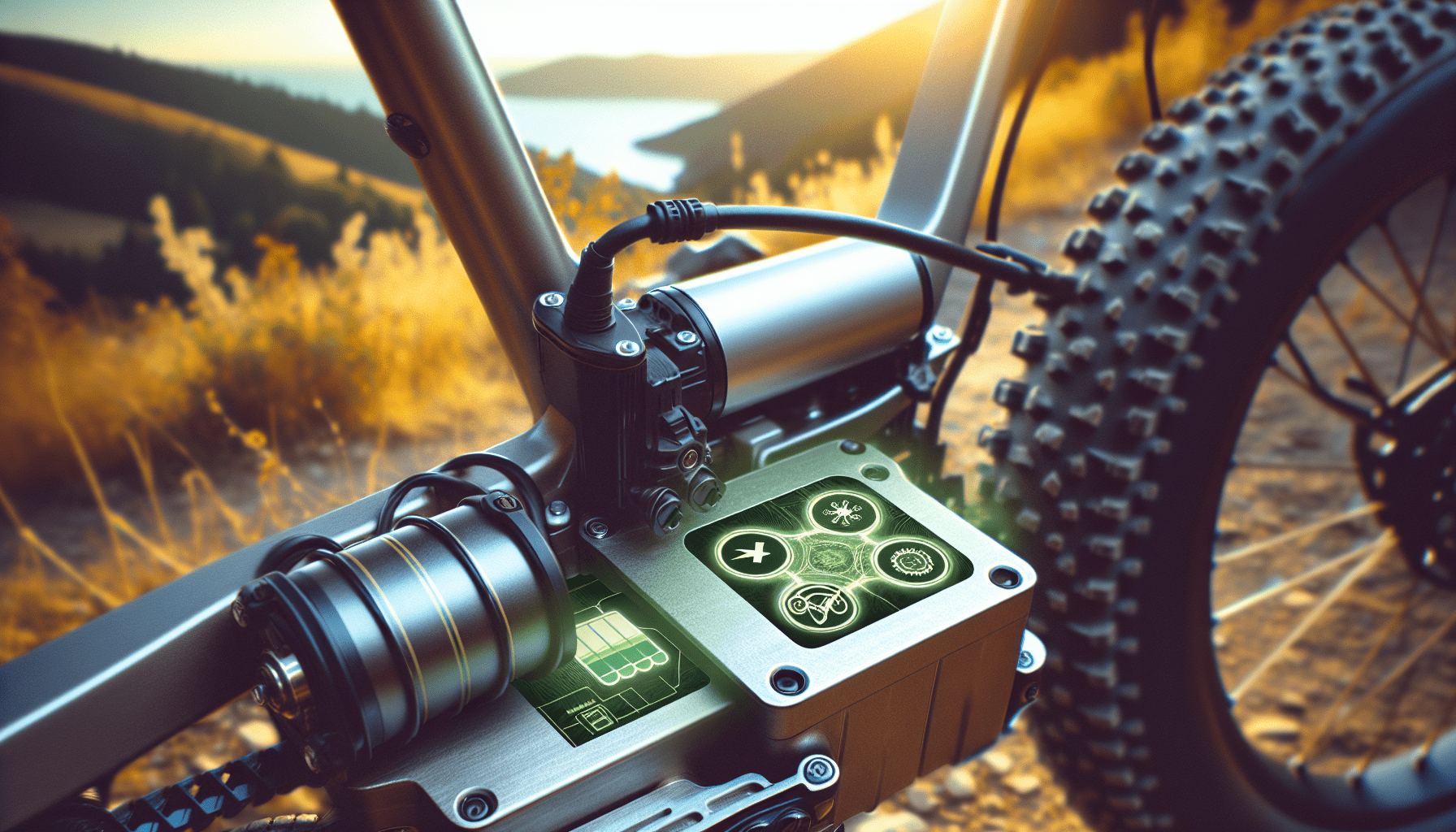
Imagine the thrill of silently gliding through the wilderness, exploring hidden trails, while feeling the rush of fresh air against your face. Now, picture doing all of that while effortlessly cruising on an electric hunting bicycle. These innovative two-wheeled companions have taken the hunting world by storm, providing hunters with an eco-friendly way to navigate rugged terrains. But how exactly do these electric hunting bicycles work? Let’s take a closer look at the mechanics behind this fascinating mode of transportation.

Basics of Electric Hunting Bicycles
Overview of Electric Hunting Bicycles
Electric hunting bicycles, also known as e-bikes, are specially designed bicycles that are equipped with an electric motor and battery. They are a popular choice for hunters as they offer a convenient and eco-friendly mode of transportation in outdoor environments. With the assistance of the electric motor, hunters can cover larger distances, navigate challenging terrains, and carry their hunting gear with ease.
Components of an Electric Hunting Bicycle
Electric hunting bicycles consist of several key components that work together to provide a seamless hunting experience. These components include the electric motor and drive system, battery and charging system, control and display, gearing and brakes, suspension and frame design, tires and wheels, and various accessories and attachments.
Electric Motor and Drive System
Types of Electric Motors
Electric hunting bicycles can be equipped with different types of electric motors, each offering unique advantages. The most common types include hub motors and mid-drive motors. Hub motors are mounted in either the front or rear wheel and provide direct power to the wheel, making them simple and easy to maintain. Mid-drive motors, on the other hand, are mounted near the bike’s bottom bracket and provide power to the drivetrain, offering better weight distribution and a more natural riding experience.
Types of Drive Systems
The drive system of an electric hunting bicycle refers to how the motor transfers power to the wheels. There are two main types of drive systems: pedal-assist and throttle-controlled. Pedal-assist systems, also known as electric assist modes, provide assistance to the rider while pedaling, amplifying their pedaling efforts. Throttle-controlled systems, on the other hand, allow the rider to control the motor’s power with a throttle, similar to a motorcycle.
Motor Power and Torque
When choosing an electric hunting bicycle, it’s crucial to consider the power and torque of the motor. The power of an electric motor is measured in watts, and higher power generally means more speed and better performance on challenging terrains. Torque, on the other hand, determines the bike’s climbing ability and pulling force. A higher torque motor will be able to handle steeper inclines and carry heavier loads.
Electric Assist Modes
Electric hunting bicycles often come with multiple electric assist modes, allowing riders to tailor the level of assistance to their needs. These modes can vary from a low assist for conserving battery power to a high assist for tackling demanding terrains. Some e-bikes also come with a walk-assist mode, which provides a little extra power when walking the bike uphill or in difficult terrain.
Battery and Charging System
Types of Batteries Used
The battery is a crucial component of an electric hunting bicycle as it provides the power needed to run the electric motor. There are different types of batteries used in e-bikes, including lithium-ion and lithium-polymer batteries. These batteries are lightweight, have a high energy density, and can be recharged many times without losing capacity. They are also more environmentally friendly compared to other battery technologies.
Battery Capacity and Range
Battery capacity is measured in watt-hours (Wh) and determines how far you can ride on a single charge. Higher watt-hour ratings generally mean a longer range. The range of an electric hunting bicycle depends on various factors such as the rider’s weight, terrain, and assist level used. Most e-bike manufacturers provide an estimated range based on average conditions, which can help you gauge the battery’s performance.
Charging Options
Charging an electric hunting bicycle is a simple and straightforward process. Most e-bikes come with a charger that can be plugged into a standard electrical outlet. Charging times can vary depending on the battery’s capacity and the charger’s output. It’s important to follow the manufacturer’s instructions for charging to ensure the battery’s longevity and optimal performance. Additionally, some e-bikes offer the option of removable batteries, which allow for easy charging both on and off the bike.
Control and Display
Handlebar Mounted Controls
For easy access and convenience, electric hunting bicycles are equipped with handlebar-mounted controls. These controls typically include an on/off button for the motor, an option to adjust the electric assist level, and a throttle if the bike is equipped with a throttle-controlled system. Having the controls easily accessible on the handlebar allows hunters to quickly make adjustments while on the go, ensuring a safe and efficient ride.
LCD Display Console
The LCD display console provides riders with important information about their electric hunting bicycle. This display typically shows the battery level, current speed, distance traveled, and the selected electric assist mode. Some LCD display consoles also offer additional features such as a trip computer, odometer, and even a USB charging port for electronic devices. Having this information readily available allows hunters to monitor their ride and make informed decisions.
Functionality and Settings
Apart from the basic information displayed, the LCD console also allows riders to access various functionalities and settings. These may include adjusting the electric assist level, setting a speed limit, activating cruise control, and even controlling the integrated lights or other accessories. Being able to customize these settings ensures that the electric hunting bicycle can be tailored to individual preferences and riding conditions.
Gearing and Brakes
Gearing Systems
Gearing systems play a crucial role in an electric hunting bicycle as they allow riders to adjust their pedaling cadence and speed. E-bikes often come equipped with a wide range of gears to accommodate different terrains and riding styles. Common types of gearing systems include derailleur systems and internal hub gears. Derailleur systems offer a wide gear range and are lightweight, while internal hub gears are low maintenance and provide smoother shifting.
Electronic Shifting
Some e-bikes come with electronic shifting systems, which offer precise and effortless gear changes with the push of a button. These systems use electronic sensors to shift gears automatically or manually, depending on the rider’s preferences. Electronic shifting can enhance the overall riding experience by providing smoother and more accurate gear changes, especially in challenging hunting environments.
Braking Systems
Braking systems are an essential safety feature in electric hunting bicycles. They allow riders to stop quickly and maintain control over the bike in various conditions. E-bikes typically come with either mechanical disc brakes or hydraulic disc brakes. Mechanical disc brakes are reliable and easy to maintain, while hydraulic disc brakes offer greater stopping power and more consistent performance, particularly in wet or muddy conditions.
Regenerative Braking
Some electric hunting bicycles feature regenerative braking, which harnesses the energy generated during braking and converts it into electrical energy to recharge the battery. This feature helps extend the battery’s range and increases overall efficiency. While regenerative braking may not completely recharge the battery, it can provide a small boost in battery life and reduce the frequency of charging.
Suspension and Frame Design
Front and Rear Suspension
Suspension systems in electric hunting bicycles help absorb impacts from rough terrain, providing a smoother and more comfortable ride. Front suspension forks are commonly found in e-bikes and are designed to absorb shocks from the front wheel. Rear suspension systems, on the other hand, offer enhanced comfort and control by absorbing shocks from the rear wheel. Having a suspension system can reduce rider fatigue and improve overall stability in challenging hunting environments.
Frame Materials
The frame of an electric hunting bicycle plays a vital role in its overall performance and durability. Common frame materials include aluminum, carbon fiber, and steel. Aluminum frames are lightweight, durable, and corrosion-resistant, making them a popular choice. Carbon fiber frames offer excellent strength-to-weight ratio and absorb vibrations well. Steel frames are known for their strength and durability but tend to be heavier. The choice of frame material depends on factors such as personal preferences, budget, and desired riding experience.
Geometry and Ergonomics
The geometry and ergonomics of an electric hunting bicycle are designed to provide a comfortable and efficient riding experience. The frame geometry determines the bike’s overall stability and handling characteristics. E-bikes often have a relaxed geometry with a more upright riding position, allowing hunters to easily scan their surroundings and maintain better visibility. Additionally, the ergonomics of the handlebars, saddle, and pedals are optimized for comfort, reducing the risk of discomfort and fatigue during long hunting trips.
Tires and Wheels
Tire Types and Tread Patterns
The tires of an electric hunting bicycle are specifically designed to handle various terrains and weather conditions. Tires with knobby tread patterns offer better traction and control on loose or uneven surfaces, making them ideal for off-road hunting adventures. Alternatively, tires with smoother tread patterns are suitable for paved surfaces and provide a more efficient and comfortable ride.
Wheel Size and Configuration
Electric hunting bicycles come with different wheel sizes, each offering specific advantages. Common wheel diameters include 26 inches, 27.5 inches, and 29 inches. Smaller wheel sizes provide better maneuverability and acceleration, while larger wheel sizes offer improved stability and better roll-over performance. The choice of wheel size depends on factors such as personal preference, terrain, and riding style.
Tubeless vs Tubed Tires
Tubeless tires have become increasingly popular in electric hunting bicycles due to their numerous advantages. These tires eliminate the need for inner tubes, reducing the chance of punctures and allowing for lower tire pressures, which improves traction and comfort. Tubeless tires also tend to be lighter, resulting in improved acceleration and handling. However, they do require a specific tubeless-ready rim and compatible tire sealant, which may require additional investment.
Accessories and Attachments
Cargo Carrying Options
Electric hunting bicycles offer various cargo carrying options to accommodate hunting gear, equipment, and supplies. These options can include racks, baskets, panniers, and saddlebags specifically designed for hunting purposes. These cargo carrying options can help hunters transport their gear more efficiently and securely, allowing for a more enjoyable hunting experience.
Gun and Bow Racks
For hunters who carry firearms or bows, electric hunting bicycles often come equipped with specialized racks to securely hold these items. These racks are designed to keep the weapons within easy reach while maintaining stability and safety during the ride. Gun and bow racks are typically adjustable to accommodate different sizes and types of firearms or bows.
Trail Cameras and Lights
Many electric hunting bicycles feature integrated mounting points or brackets for attaching trail cameras and lights. Trail cameras are a useful tool for hunters to monitor wildlife activity and assess their hunting grounds. Lights, on the other hand, provide additional visibility during low-light conditions, ensuring safer rides and better visibility of potential hazards.
Hunting-specific Attachments
In addition to the aforementioned accessories, there are various hunting-specific attachments available for electric hunting bicycles. These attachments can include camouflage covers, scent control systems, game carriers, and even custom-designed storage compartments for specific hunting equipment. These attachments cater to the unique needs of hunters and help enhance their overall hunting experience.

Advantages and Benefits
Stealth and Silent Approach
One of the significant advantages of electric hunting bicycles is their ability to provide a stealthy and silent approach to hunting grounds. The electric motor allows hunters to navigate quietly through the surrounding environment without spooking or alarming wildlife. This stealthy approach can significantly improve the chances of a successful hunt.
Extended Range and Stamina
With the assistance of an electric motor, hunters can cover larger distances and conquer challenging terrains. Electric hunting bicycles provide additional power and support, allowing hunters to explore more expansive hunting grounds and conserve their physical stamina. This extended range and reduced fatigue enable hunters to spend more time in the field, increasing their chances of a successful hunt.
Ease of Navigation
Electric hunting bicycles offer excellent maneuverability, allowing hunters to navigate through various terrains with ease. Whether it’s dense forests, muddy trails, or rocky slopes, these bicycles can handle a wide range of conditions. The electric motor provides additional power for tackling steep inclines and rough terrains, ensuring hunters can reach their desired hunting spots without hassle.
Environmental Friendliness
Using an electric hunting bicycle instead of traditional motorized vehicles contributes to environmental sustainability. E-bikes produce minimal noise and air pollution, making them an eco-friendly alternative for hunting transportation. By reducing carbon emissions and the overall environmental impact, hunters can enjoy their sport while being mindful of conservation efforts.
Considerations before Buying
Legal and Hunting Regulations
Before purchasing an electric hunting bicycle, it’s essential to familiarize yourself with local laws and hunting regulations. Some areas may have restrictions or specific requirements regarding the use of e-bikes for hunting. Make sure to check with local authorities and hunting organizations to ensure you comply with all relevant regulations.
Terrain and Hunting Environment
Consider the type of terrain and hunting environment you typically encounter. Different electric hunting bicycles are designed to excel in various conditions, such as mountains, forests, or flatlands. Choose a bike that can handle the specific terrain you plan to hunt in, ensuring a safe and enjoyable experience.
Weight and Portability
Electric hunting bicycles come in different weights, and the weight of the bike can impact its portability and ease of transportation. Consider the weight of the bike in relation to your physical abilities and the transportation methods you intend to use. If you plan to transport the bike on a vehicle or trailer, ensure that the weight is manageable for loading and unloading.
Budget and Investment
Electric hunting bicycles come at various price points, depending on their components, features, and brand. Consider your budget and the features that are crucial to your hunting needs. While it can be tempting to opt for the most advanced and expensive options, it’s important to find a balance between functionality, durability, and affordability.
In conclusion, electric hunting bicycles offer hunters a convenient, eco-friendly, and efficient mode of transportation in outdoor environments. With their electric motors, batteries, and a range of components and accessories, these bicycles provide numerous advantages, including silent approach, extended range, ease of navigation, and environmental friendliness. Before making a purchase, consider factors such as legal regulations, terrain, weight, and budget to ensure the best fit for your hunting needs. Happy hunting!
