Have you thought about using an electric bicycle to get into better hunting locations while cutting down on noise, sweat, and travel time?


What Are The Advantages Of Using An Electric Bicycle For Hunting?
An electric bicycle can be a game-changer for hunters who want to access more territory with less effort and less detection. You’ll find that an e-bike blends human power with motor assistance, giving you a versatile tool that supports a variety of hunting styles and terrains.
Stealth and Reduced Noise
One of the most immediate advantages you’ll notice is how quiet an e-bike can be compared with an ATV or pickup. Electric motors produce very little mechanical sound, especially at low speeds, which helps you approach ridgelines, bedding areas, or marsh edges without spooking game.
Because you generate a lot of the propulsion with your own pedaling when you choose to, you can further control noise by reducing throttle use in sensitive areas. That combination—near-silent motor and the ability to pedal quietly—gives you a stealth edge that many hunters find invaluable.
Improved Range and Access to Remote Terrain
E-bikes extend your effective range far beyond what you can comfortably cover on foot. You can routinely reach locations that would otherwise require a long hike, multiple trips, or off-road vehicle use. This gives you access to remote stands, high ridgelines, and hidden drainages that are less pressured by other hunters.
Because many e-bikes are built with fat tires, low gearing, and durable frames, you can use them on singletrack, doubletrack, gravel roads, and even short stretches of primitive trails. That access expands the number of quality ambush points and glassing positions you can get to in a single outing.
Speed, Control, and Energy Efficiency
Using motor assistance lets you cover ground faster than walking without burning through your energy reserves. You can arrive at a location fresher, which improves your ability to still-hunt, range-find, or set up ambushes. The electric assist also helps you maintain a consistent pace during long approaches or exits, especially when carrying heavy gear.
Because e-bikes are electrically driven, they tend to be more energy-efficient per mile compared with combustion vehicles and even some heavy motorcycles. You’ll use battery power productively and only when you need it, making it a practical way to extend your effective hunting day.
Reduced Physical Strain and Better Recovery
You can manage the level of physical exertion by adjusting pedal-assist levels, which is helpful if you’re aging, recovering from an injury, or hunting with partners of different fitness levels. You won’t be as exhausted when you get to your ambush spot, and you’ll have more reserves to track, process, and pack out game if you’re successful.
Because you’re less tired upon arrival, you’re less likely to make mistakes in shot placement or tracking, and you’ll be able to hike out heavier loads without needing a vehicle extraction. The e-bike effectively becomes a mobile energy-conserver.

Cargo Capacity and Modifiability
Many hunting-specific e-bikes come with rack mounts, platform cargo racks, frame bags, and tow options that let you carry extra gear, coolers, stands, and even meat. You can customize your setup with shot racks, rifle mounts, or saddlebags designed for e-bikes. That adaptability means you can carry essentials without turning the ride into a balancing act.
You’ll also find aftermarket solutions like cargo trailers and game haulers that pair with e-bikes. These let you transport larger loads that would be impractical to carry by backpack alone. With sensible modifications, an e-bike becomes a multi-purpose field vehicle for scouting, stand placement, and retrieval.
Cost Comparison and Long-Term Savings
E-bikes are typically less expensive to buy and to operate than ATVs, side-by-sides, or trucks used off-road. Your fuel costs are greatly reduced since you charge batteries instead of burning gasoline. Maintenance tends to be simpler and cheaper too, because there are fewer moving parts and no internal combustion engine to service or repair.
Over time, you’ll likely save money on fuel, annual maintenance, and potential trail fees or registrations that apply to motorized off-road vehicles. If you hunt frequently and cover a lot of ground, an e-bike can pay for itself relative to other motorized options.
Environmental Impact and Leave-No-Trace Practices
Using an e-bike typically causes less ground disturbance, soil compaction, and vegetation damage compared with ATVs or ORVs. That reduced footprint helps preserve sensitive habitats and minimizes impact on the areas you hunt. You can reach remote spots while still supporting conservation-minded practices.
Because e-bikes create fewer emissions than gas-powered vehicles, your hunting activities will be more environmentally friendly. That speaks to stewardship and helps you maintain access long-term, as landowners and managers are often more receptive when hunters reduce their impact.
Legal and Regulatory Advantages
In many jurisdictions, e-bikes fall into different legal categories than ATVs or motorbikes, and that can affect where you’re allowed to ride. You may be permitted on certain trails and service roads that prohibit motorized vehicles, subject to local rules and classification of the e-bike (Class 1, 2, or 3).
You’ll need to confirm local regulations—landowner permission, state wildlife agency rules, and federal land policies differ—so be proactive about understanding where e-bikes are allowed. In many cases, following rules lets you gain access to areas that vehicular hunters cannot legally use.
Safety Considerations
While e-bikes reduce many of the hazards associated with heavy motorized vehicles, they still require safe handling and situational awareness. You’ll want protective gear, lights for low-light movement, and a plan for handling mechanical failures or battery depletion in the field.
Training yourself on controlling weight distribution, negotiating technical terrain, and braking with a full load will reduce the chance of injury or damage to equipment. You should also carry a communication device, GPS, and first-aid supplies whenever you head into the backcountry.
Battery and Motor Types: Choosing the Right E-bike for Hunting
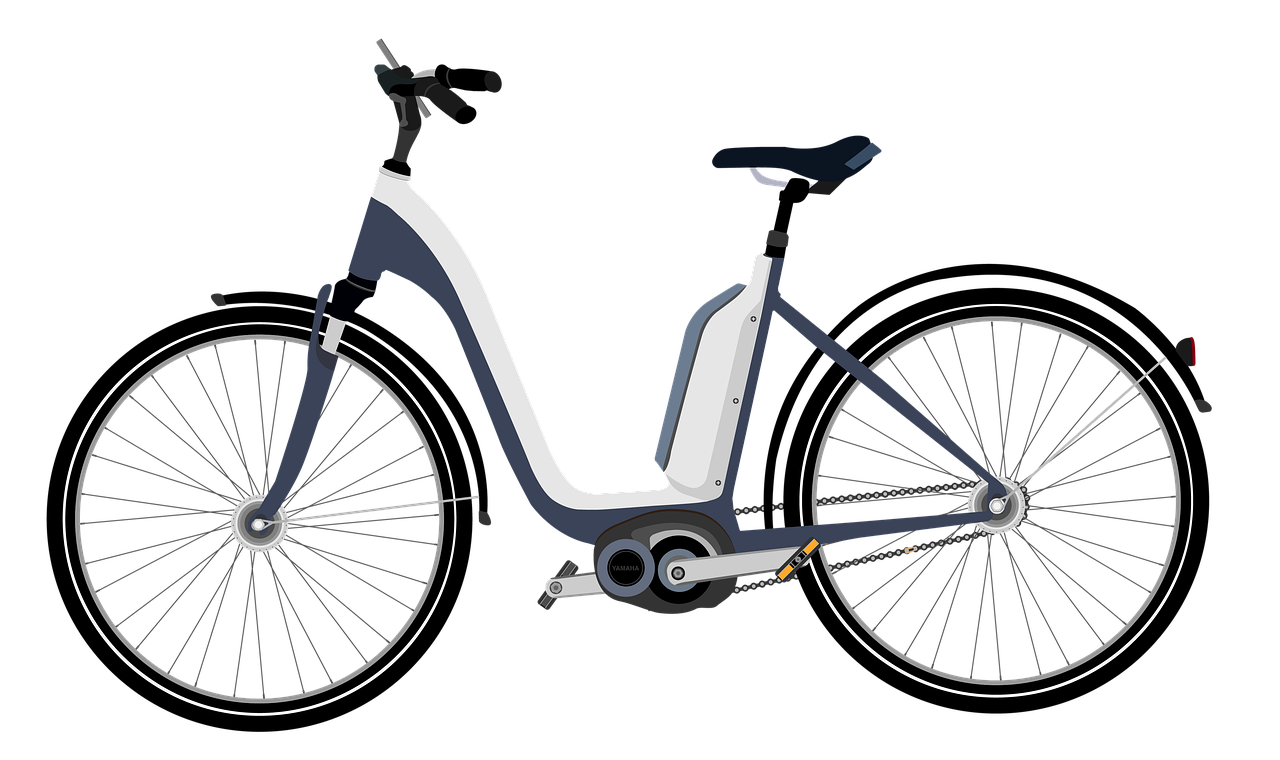
Selecting the right motor and battery combination is critical to make sure your e-bike meets your hunt’s needs. Motors range from hub motors to mid-drive with different torque and climbing characteristics, while batteries vary by capacity, chemistry (mostly lithium-ion), and real-world range.
Choose a motor that offers ample low-end torque for steep climbs and a battery with enough capacity to handle repeated climbs and the extra weight you’ll carry. Consider spare batteries if you plan long-range hunts or remote multi-day excursions.
| Component | What to Look For | Why It Matters |
|---|---|---|
| Motor type | Mid-drive for torque; hub motor for simplicity | Mid-drive helps climb steep trails and handle heavy loads; hub motors are robust and low-maintenance |
| Battery capacity | 500 Wh to 1000+ Wh | Larger capacity equals longer range and more reserves for hauling game |
| Battery chemistry | Lithium-ion (high energy density) | Reliable energy-per-weight ratio, relatively low self-discharge |
| Controller & pedal assist | Tunable assist levels and torque sensors | Better responsiveness, smoother power delivery, and improved battery economy |
Maintenance and Field Repairs
You’ll want to develop a maintenance routine to keep your e-bike reliable. Regular checks of brakes, drivetrain, tire pressure, and electrical connections will reduce the chance of field failures. Understand how to perform basic repairs, such as fixing a puncture, adjusting a derailleur, or reconnecting a loose plug.
Pack a small toolkit tailored to your e-bike: multi-tool, patch kit, spare tube, chain tool, zip ties, and a lightweight way to recharge a spare battery if possible. Knowing how to effect simple field repairs will dramatically increase your confidence and reduce the chance of being stranded.
Best Practices for Using an E-bike While Hunting
When you’re using an e-bike for hunting, be deliberate about your approach. Turn off lights and reduce assistance as you near sensitive glassing points. Park or secure the bike well off trails and out of sight when you set up. Bag or secure any reflective components that might betray your position.
Respect property boundaries, follow posted signs, and always get landowner permission if you’re on private ground. When possible, plan routes that minimize confrontation with other trail users, and communicate your plans to hunting partners so everyone knows expected timelines and rendezvous points.
Gear and Setup Recommendations
Your e-bike setup should reflect your hunting style, terrain, and the species you’re pursuing. Consider racks or frame bags for small game and a cargo trailer or panniers for larger meat haul-outs. Add a secure firearm or bow mount that keeps your weapon in a safe, legal, and quick-to-access position.
Also consider lighting for pre-dawn or dusk travel, fenders for muddy conditions, and a comfortable seat since you may be spending hours in the saddle. Having the right gear makes your e-bike an effective tool rather than a compromise.
| Item | Purpose | Recommendation |
|---|---|---|
| Rear cargo rack | Carry gear and meat | Heavy-duty, lockable rack or platform with straps |
| Frame or top tube bag | Quick-access items | Water, rangefinder, GPS, snacks |
| Firearm/bow mount | Safe transport of weapon | Low-profile mount that secures weapon for bumps |
| Spare battery | Extended range | One full spare or a high-capacity single battery |
| Lights | Safety and low-light movement | Discreet, dimmable lights; avoid bright, reflective gear while hunting |
| Trail-rated tires | Traction and durability | 2.8–4.8″ tires for off-trail versatility (fat tires for snow/mud) |
Loading and Transporting Game
You’ll need a plan for transporting harvested game. Smaller game is simple to strap to a rack or pack in panniers. For larger animals, a rear-mounted game cart or lightweight trailer can dramatically simplify extraction and reduce strain.
Practice loading procedures before you’re in the field so you know the bike’s handling characteristics with added weight. Balance the load properly to avoid instability, and secure meat to prevent swinging or snagging on brush.
Scouting and Mobility Strategies
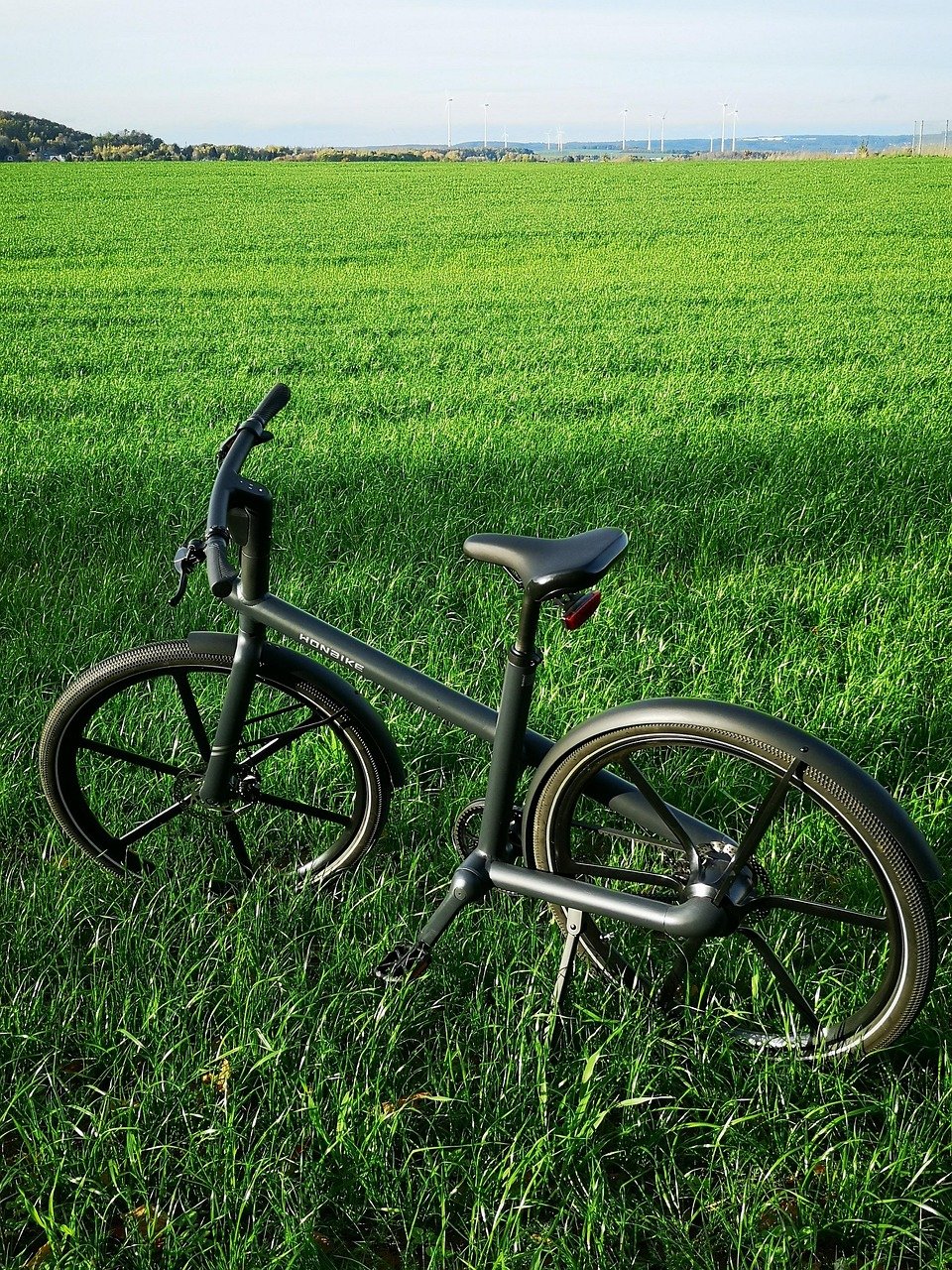
Use your e-bike to create a scouting advantage: you can cover more terrain in a day to find bedding areas, fresh sign, and ideal ambush locations. Try combining motor-assisted travel with short foot glassing or calling sessions. You’ll be able to reposition faster based on real-time observations.
Because e-bikes are fast and efficient, you can employ hit-and-run scouting techniques—check a spot in the morning and return later in the day from a different approach. This flexibility helps you use time more effectively and keeps pressure low on specific areas.
Case Scenarios: How E-bikes Improve Specific Hunts
Your e-bike helps in a variety of hunting contexts, from mountainous elk hunts to waterfowl in expansive marshes. In alpine environments, the e-bike helps you climb ridgelines that would otherwise require long approach hikes, letting you rest and glass when you need to. For turkey or whitetail hunters in rolling terrain, the bike helps you set up quick ambushes in multiple locations during a single morning.
In wet or muddy conditions where 4×4 vehicles would get stuck or be restricted, a fat-tire e-bike can often pass with minimal trace. Consider your primary species and landscape to tailor your setup accordingly.
Ethical Considerations and Fair Chase
Using an e-bike brings ethical questions about fair chase. You should use the tool to enhance access and safety, not to unfairly stalk animals or create an undue advantage. Follow local hunting laws and the spirit of fair chase to maintain ethical standards and avoid alienating other hunters.
Be transparent when hunting with partners and discuss how the e-bike will be used. Maintaining ethical practices preserves hunting traditions and supports continued acceptance of technology among outdoor communities.
Tips for Training and Conditioning with an E-bike
An e-bike can be part of your training routine; you can use it to gradually increase endurance without overtraining joints. Try intervals with varied assist levels to mimic hunting workloads: long, low-assist climbs simulate long approaches, while short high-assist pushes replicate emergency extractions.
As you get more comfortable, increase payload in training to simulate game retrievals. This conditions your handling skills and helps you learn how the bike behaves with different loads.
Common Myths and Misconceptions
There are misconceptions that e-bikes are cheats, unreliable, or only for short-range trips. In reality, modern e-bikes have robust drivetrains, dependable batteries, and accessories designed for long-range field use. They’re tools that extend your physical capacity rather than replace skill.
Another myth is that e-bikes always leave heavy tracks; while some models do, many with low tire pressure and fat tires actually reduce ground pressure compared with narrow tires or heavy ATVs. Your riding technique and route choice influence impact more than the presence of a motor.
Choosing Between Class 1, 2, and 3 E-bikes
E-bikes are often categorized by class: Class 1 (pedal-assist only up to 20 mph), Class 2 (throttle assist up to 20 mph), and Class 3 (pedal-assist up to 28 mph). Your choice should reflect where you’ll ride and how you plan to use the bike.
Class 1 is often favored by hunters because it’s widely allowed on many trails and requires you to pedal to engage the motor, aligning with fair-chase sensibilities. Class 3 offers higher top speeds for longer road-style approaches but is sometimes restricted on trails.
Practical Range Planning and Battery Management
Planning realistic ranges is key. Battery watt-hours (Wh) dictate how far you’ll go under various loads. Factors like terrain, rider weight, ambient temperature, and assistance level affect real-world range. It’s wise to plan conservatively—estimate 30–60% less range than the manufacturer’s maximum under hunting conditions.
Carry a spare battery or arrange a shuttle plan if you’ll be far from your vehicle. Manage power by using low-assist settings during easy terrain and reserving high-assist for climbs, heavy loads, or emergency sections.
| Scenario | Typical Battery Use | Planning Tip |
|---|---|---|
| Flat gravel approach | Low-moderate assist | Use low assist to preserve battery for the return |
| Steep, sustained climb | High assist | Reserve battery or carry spare; recharge plan if multi-day |
| Hauling game out | High energy draw | Use dedicated hauling battery or trailer with efficient gearing |
| Cold weather | Reduced capacity | Expect 10–30% less range; keep spare batteries warm |
Trail Etiquette and Landowner Relations
You’ll get better long-term access if you practice good etiquette: yield to hikers, announce yourself when passing, stick to existing tracks where required, and clean up gear and any waste. Being respectful of landowners and other trail users preserves relationships and keeps e-bike use acceptable.
Always ask landowners for permission and explain how you’ll minimize impact. Many landowners respond positively when you show you care about stewardship and won’t be using loud, track-damaging equipment.
Selecting Tires, Suspension, and Brakes for Hunting
Choose tires and suspension based on typical terrain: fat tires with lower pressure are ideal for mud, snow, and soft ground, while narrower but grippy tires suit rocky singletrack. Suspension helps on rough terrain by improving traction and reducing fatigue, but simpler rigid or low-travel forks can be lighter and more durable.
Reliable hydraulic disc brakes are highly recommended because stopping power matters more with added weight and variable loads. Strong brakes give you confidence on steep descents while hauling gear or meat.
Legal Tips: What to Check Before You Ride
Check three things before you head out: land ownership rules, state wildlife agency regulations about motorized access for hunting, and local trail classifications for e-bike use. On public lands, policies vary: some allow e-bikes on certain trails, while others treat them as motorized vehicles and restrict access.
Keep permits, licenses, and any necessary registrations with you. Knowing rules beforehand prevents fines and preserves good standing with land managers.
Final Summary and Decision Guide
If you want a stealthy, economical, and versatile way to reach more hunting terrain without the footprint of an ATV, an electric bicycle is an excellent option. It reduces physical strain, increases range, and offers flexible cargo solutions while supporting a lower environmental impact.
Decide based on your terrain, target species, and local rules. Choose an e-bike with adequate motor torque, a battery sized for your typical outing, and a cargo system that suits game retrieval. Practice handling and maintenance before heading into remote areas, and always prioritize ethics and safety.
Quick checklist before your first hunting ride:
- Confirm land access and legal rules for e-bike hunting.
- Fully charge primary and spare batteries; keep spares warm.
- Install secure firearm or bow mounts and pack a multi-tool kit.
- Practice loading and riding with simulated loads.
- Share your route and expected return time with someone you trust.
- Carry navigation, communication, and first-aid supplies.
Using an e-bike for hunting can change how you approach terrain, conserve energy for critical moments, and reduce your impact on the landscape. If you match the bike to your needs and follow good practices, you’ll likely expand both access and success while enjoying more comfortable and efficient outings.
