Sur Ronster’s video shows a $2,000 motor mounted on a $20 bike, transforming a bargain-bin frame into a mind-bending, high-performance electric build you can almost hear roaring off the pavement. You get a front-row look at blistering acceleration, heavy torque, and the creative hacks that make premium components work with a thrift-store ride.
This article outlines the conversion kit specs, key installation steps, performance numbers, and a cost-versus-value breakdown so you can judge whether this project matches your skills and budget. Expect practical tips for sourcing parts, tuning motor and battery settings, and avoiding common pitfalls when building a fast, budget-friendly e-bike.


Project Overview and Concept
Define the build idea: putting a $2,000 motor on a $20 donor bike
You’re taking a high-performance, expensive electric motor and pairing it with an almost worthless donor bicycle to create a dramatic, low-cost conversion. The concept is deliberately extreme: test how much performance can be unlocked from a cheap frame and parts by adding a powerful motor and supporting systems. This build is about contrasts — high-end electrics with the cheapest possible mechanical platform — and about learning what limits are structural, electrical, and practical.
Inspiration and context from the SurRonster video and community builds
You likely watched the SurRonster video as inspiration: creators and communities often push boundaries to see what’s possible, then document failures and triumphs. That video and other community builds show creative problem solving, attention to performance metrics, and a willingness to iterate. Use that creative energy as a guide: community builds teach you about real-world tradeoffs, inventive fabrication, and safety lessons you can apply to your own project.
Primary goals: power, speed, cost-efficiency, learning
Your primary goals should be clear: maximize power and speed while keeping overall cost low, and treat the project as an educational exercise. The $2,000 motor is the centerpiece, but you’ll be balancing power versus safety and durability. Cost-efficiency means reusing as much as is sensible from the donor bike, while learning means documenting failures and adjustments so you can improve future builds.
Target audience: DIYers, hobbyists, performance seekers
This project speaks to DIYers, hobbyists, and people obsessed with performance gains. You’re someone who enjoys hands-on work, wants to push hardware limits, and isn’t afraid to iterate. If you value learning and accept risk (with appropriate precautions), this build will be engaging; if you prefer guaranteed reliability or street-legal compliance out of the box, you may want to scale back or choose a sturdier donor bike.
Selecting the Donor Bike
Criteria for choosing a $20 bike: frame integrity, wheel size, axle type
When you hunt for a $20 donor, prioritize frame integrity above all. A seemingly intact frame with no cracking at welds or tube junctions is essential because a powerful motor amplifies existing weaknesses. Wheel size matters for gearing and tire availability; common sizes (20″, 24″, 26″) are easiest to work with. Axle type affects how the motor forces get transferred to the frame; solid axles and standard dropouts are common on cheap bikes but may need reinforcement.
Preferred donor types: BMX, SE, single-speed, cheap cruiser pros/cons
BMX and single-speed frames are appealing because of simplicity and compact geometry; they’re often strong in certain areas but not designed for continuous high torque. Cheap cruisers may offer larger frames and longer wheelbases but usually have weak rims and forks. Pros: simple drivetrains and few components to rework. Cons: poor material quality, unknown fatigue history, and inadequate mounting points for heavy batteries or motors.
How to inspect for hidden damage: cracks, rust, bearing play
You must inspect for hidden damage: look closely for hairline cracks around welds, rust that has eaten through tubes, and bearing play in headsets, hubs, and bottom brackets. Flex the frame and listen for creaks; rotate wheels to hear rough bearings. If the headset has lateral movement or the bottom bracket is loose, those are signs the bike needs more work than it’s worth.
Necessary baseline components to replace or upgrade
Plan to replace or upgrade baseline components: rims and spokes, tires and tubes, headset bearings, brake systems, and possibly the fork or seatpost. Even if the donor rolls, cheap bearings and rims won’t handle the loads or speeds a powerful motor produces. Budget some money for essential upgrades so your build isn’t limited by the weakest parts.

Choosing the Motor and Kit
Overview of high-end conversion motors and why $2,000 motors differ
High-end conversion motors at the $2,000 level typically offer stronger casings, better bearings, higher continuous power ratings, and more refined controllers. They’re built to sustain heat and torque, have precise machining for fitment, and often support programmable controllers with advanced safety features. That cost reflects better components and more engineering attention compared to budget motors.
SurRonster kit specifics and why it’s considered powerful
Kits like the SurRonster are marketed as performance-first, featuring high peak and substantial continuous power, robust controllers, and complete integration with throttles, displays, and monitoring. They’re considered powerful because they pair high-voltage capability, strong phase wiring, and thermal-aware controllers that let the motor deliver aggressive acceleration and higher sustained speeds compared to entry-level kits.
Hub motor vs mid-drive pros and cons for a cheap frame
Hub motors are simpler to mount and often plug-and-play, but they concentrate torque at the axle and can stress dropouts. Mid-drive systems distribute torque through the chainline and drivetrain, offering better leveraging for steep climbs, but they load the bottom bracket and chain, and typically require stronger frames and more fabrication. For a cheap frame, hubs are easier but risk bending dropouts; mid-drives can be harder to integrate and may overstress a cheap bottom bracket shell.
Power ratings and specs to compare: continuous vs peak watts/kW
When comparing motors, focus on continuous vs peak power. Peak watts describe short bursts useful for acceleration; continuous rating tells you what the motor can sustain without overheating. Also compare voltage, current limits, torque output, RPM range, efficiency curves, and thermal limits. Don’t be swayed only by peak numbers — continuous power and thermal management determine real-world reliability.
What to look for in a plug-and-play kit vs fully custom solution
A plug-and-play kit simplifies installation with pre-wired connectors, mounts, and matched controllers, which is ideal if you want fewer surprises. A fully custom solution gives flexibility for unique fits and performance tuning but demands more fabrication, wiring know-how, and time. Choose plug-and-play if you want speed and predictability; choose custom when donor geometry or unique goals require a tailored approach.
Battery Selection and Integration
Determining required battery capacity (Ah and Wh) for range targets
Calculate battery capacity based on desired range, motor power draw, and real-world inefficiencies. Watt-hours (Wh) tell you overall energy; amp-hours (Ah) depend on pack voltage. Estimate average power draw for your riding style (a powerful build might average several hundred to over a thousand watts under load), then multiply by desired hours to reach Wh. Add a safety margin for real-world factors like stops, hills, and rider weight.
Voltage choices and compatibility with the $2,000 motor and controller
Voltage affects top speed and current draw; higher voltage lets you get more power at lower current. Match battery voltage to the motor and controller specs — running mismatched voltage risks damage or poor performance. Common performance builds use higher voltages (e.g., 48–72V range) to maximize both power and controller efficiency, but you must ensure the controller and motor are rated for your chosen voltage.
Mounting strategies on a fragile or minimal donor frame
On a minimal frame, battery mounting is a major challenge. Consider distributing weight across the frame (e.g., a rear rack battery plus a downtube pack), using reinforced mounting plates, or constructing a cradle that shares loads with multiple points. Avoid concentrating heavy packs on thin tubes; instead, use clamped plates, protective rubber, and multiple fasteners to spread force. Keep battery mounts removable for maintenance and emergency access.
Battery management system (BMS) safety and balancing considerations
A proper BMS is essential for cell balancing, overload protection, and safe charging. Use a BMS rated for your pack voltage and continuous discharge demands; undervalued BMS units can fail and cause pack damage. Ensure balancing leads are accessible for periodic checks and that the charging routine matches the BMS requirements. Prioritize safety features like cell-level monitoring, overcurrent protection, and temperature sensing.
Weight, center of gravity and how battery placement affects handling
Battery weight dramatically affects handling. High or rear-heavy placement can make steering vague and increase tip-over risk, while low and centered placement improves stability. You’ll need to balance range with handling: a single large pack may give range but compromise control, whereas multiple smaller packs placed strategically can maintain a reasonable center of gravity.
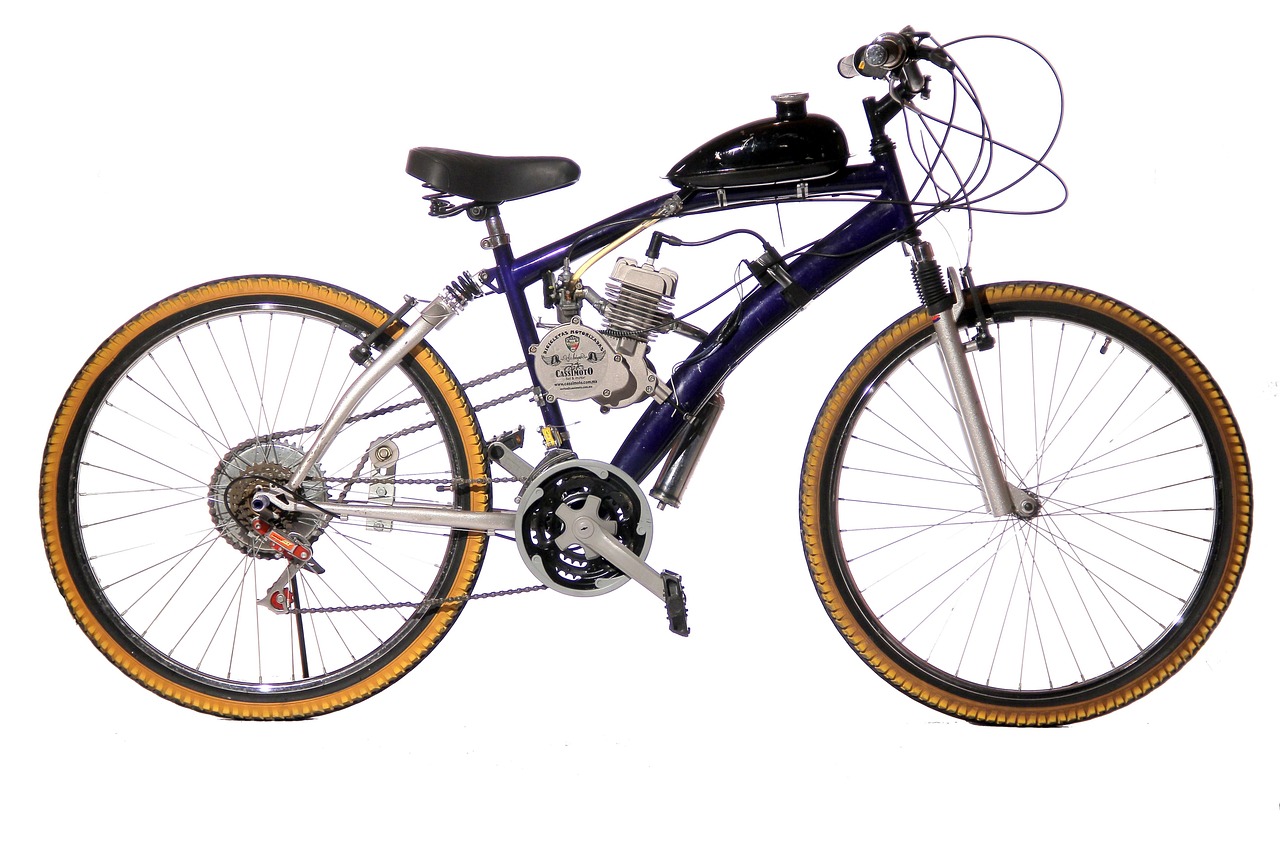
Drivetrain, Gearing and Torque Management
Chain, sprocket and freewheel options for handling high torque
Select heavy-duty chains, sprockets, and freewheels rated for the torque your motor will produce. Standard bicycle components may stretch or shear under sustained high torque, so look at motorcycle-grade sprockets or heavy-duty BMX chains. Use components with larger pitch and thicker plates where possible, and ensure proper lubrication and alignment.
Gearing choices to balance top speed vs acceleration
Gearing determines whether the build accelerates quickly or reaches a higher top speed. Lower gearing (larger rear sprocket or smaller front) gives acceleration at the cost of top speed; higher gearing does the opposite. Plan gearing based on typical use: urban riders may prefer quick acceleration, while open-road riders might favor higher gearing for faster cruise speeds.
Importance of torque arms and axle reinforcement
Torque arms are non-negotiable with high-powered motors, especially hub motors, because they transfer reaction forces into the frame. Reinforce dropouts with steel torque arms, thicker plates, or welded-on tabs. For axles, consider using stronger through-axles or custom axles designed for higher shear loads. Proper torque management prevents catastrophic failure and keeps the wheel from walking out of the dropout.
Pedal assist vs full-throttle control implications
Pedal assist keeps the motor engaged proportionally to your pedaling input and can be gentler on the drivetrain and frame, while full-throttle gives instant, often violent power delivery. Pedal assist modes can extend component life and improve rideability, but if your goal is raw performance, you’ll likely use throttle control while accepting higher mechanical stress.
Torque vs frame stress — preventing structural failures
High torque creates stress concentrations at welds, dropouts, and tube junctions. Prevent failures by reinforcing these areas with gussets, plates, or weld reinforcement; avoid placing sudden loads on thin tubes; and inspect regularly for early fatigue signs. Conservative use and gradual tuning up of power limits can help you find the frame’s safe operating envelope.
Electrical System and Wiring
Controller selection, ratings and programmable features
The controller is the brain of your system. Choose one rated for the motor’s voltage and current demands with programmable features like throttle curves, regen settings, thermal cutoffs, and current limits. Programmability lets you tailor performance to the frame’s capability and provides important safety knobs like current limiting and soft-start to avoid sudden torque spikes.
Integrating throttle, PAS (pedal assist), displays and switches
Plan a clean human interface: throttle, PAS, displays, and kill switches should be accessible and weatherproof. PAS sensors need proper alignment with cranks, and throttle response should be tunable to prevent jerky torque. Place the main cutoff switch where you can reach it quickly and make sure displays show meaningful telemetry like battery percentage, voltage, current, and error codes.
Proper wiring practices: connectors, gauge, routing and strain relief
Use appropriately sized wiring gauge for the current you expect; undersized wires heat up and create resistance losses. Employ quality connectors rated for continuous current, and route wiring away from moving parts and hot surfaces. Strain relief and secure mounting prevent connector fatigue and chafe; use protective sleeving and zip-ties or clamps to keep wiring tidy and safe.
Fuses, circuit protection and emergency cutoff strategies
Install fuses or circuit breakers on the main positive lead and consider individual protection for sensitive subsystems. A clearly marked emergency cutoff switch or accessible battery disconnect helps in crises. Choose fuses sized to protect wiring and components without nuisance trips; use slow-blow types where appropriate for motors’ inrush currents.
Software tuning, firmware and controller parameter adjustments
Use controller firmware features to tune acceleration, max current, regen, and thermal behavior. Start with conservative limits and work upward, monitoring temperatures and stresses as you go. Document each change and its effects so you can revert if something trends toward unsafe behavior.

Mechanical Fitment and Fabrication
Designing and building motor mounting brackets for an inexpensive frame
You’ll likely fabricate custom brackets to attach a powerful motor to a cheap frame. Design brackets that spread load over multiple points and avoid clamping thin tubes directly. Use steel plates, backing plates, and multiple fasteners; consider using a cradle that supports the motor’s weight and reaction forces rather than hanging the motor solely from one bracket.
Frame reinforcement: gussets, plates, welding vs bolting options
Reinforcement can be welded or bolted. Welding provides permanence and strength but requires skill and access to appropriate equipment; bolting is reversible and easier for beginners but must be designed to avoid stress concentration and loosening. Gussets and reinforcement plates around dropouts, head tube, and bottom bracket help distribute loads. Choose thicker material in areas where fatigue is likely.
Wheel and axle upgrades: thru-axles, sealed hubs, axle strength
Upgrade wheels and axles to handle higher speeds and torques. Thru-axles provide greater stiffness and retention than quick-release skewers. Use sealed hubs and high-quality bearings to reduce maintenance. If using a hub motor, ensure the axle is rated for the torque; consider custom axles or spline interfaces if necessary.
Chainline correction, alignment and tensioning for safety
Proper chainline prevents premature wear and reduces the chance of chain derailment under load. Align sprockets precisely, add tensioners if necessary, and use guides or bash guards where the chainpath is exposed. Regularly check and adjust tension because high torque accelerates chain stretch.
Tools and jigs needed for accurate fitment
Essential tools include a drill press or hand drill, angle grinder, metal files, torque wrench, vise, clamps, calipers, and preferably a welder if you’re reinforcing by welding. Simple jigs to hold the motor and frame in alignment during fabrication make a huge difference in final fit and safety.
Brakes, Suspension and Ride Safety
Upgrading brakes to handle increased speeds and weight: rotor size, caliper selection
Brakes must match the enhanced performance: larger rotors, multi-piston calipers, and stronger brake pads help dissipate heat and provide stopping power. Hydraulic disc brakes are a common upgrade for high-powered builds because they offer better modulation and heat resistance. Design braking so your stopping distances are appropriate for higher speeds.
Choosing tires and tubes rated for higher speed and loads
Select tires with speed and load ratings suitable for anticipated top speeds and payload. Higher-pressure tires with reinforced casings or motorcycle-grade inner tubes reduce the risk of blowouts. Consider tire tread that matches your primary terrain to maintain grip during acceleration and cornering.
Suspension upgrades or fork choices to improve control
If your donor bike has no or weak suspension, consider upgrading the fork to a sturdier suspension fork or installing a rear shock if space allows. Improved suspension helps manage the combination of speed, weight, and bumps, keeping the wheel contact patch planted and improving rider control.
Adding lights, reflectors and visibility equipment for safety
Visibility matters, especially at higher speeds. Fit bright front and rear lights, side reflectors, and a horn or bell. Consider daytime running lights and reflective tape on the frame or rider gear to increase visibility in traffic or low-light conditions.
Rider protection gear recommendations and vehicle control training
You should wear a good-quality helmet, gloves, eye protection, and protective clothing when testing and riding. Eye protection and proper gloves help when riding at speed. Invest time in vehicle control training: practice emergency stops, cornering at speed, and handling the unique torque delivery of your conversion in a safe, controlled area before riding on public roads.

Testing, Tuning and Performance Metrics
Establishing safe testing protocols and pre-ride checklists
Create a pre-ride checklist covering fasteners, wiring, battery mount, tire pressure, brakes, and emergency cutoff. Test in a controlled environment away from traffic, with a spotter if possible. Start with low power settings and gradually increase as you confirm structural and thermal stability.
Measuring top speed, 0–50 times, power draw and real-world range
Use GPS-based tools or reliable speedometers to measure top speed and acceleration times. Monitor power draw from the display or data logs to understand average versus peak currents. Track real-world range by riding to depletion under typical conditions; this helps you right-size batteries and understand inefficiencies.
Monitoring motor and battery temperatures, thermal protection strategies
Continuously monitor motor and battery temperatures during testing. Use thermal cutoffs or conservative current limits if temperatures climb. Add passive cooling like heatsinks or active cooling like fans if sustained high loads are expected. If using a hub motor, remember heat buildup is often a limiting factor.
Iterative tuning: gear ratio changes, controller settings, throttle curves
Tuning is iterative: change one variable at a time (gear ratio, current limit, throttle curve) and record effects. Conservative throttle curves reduce shock loading; gradual increases let you see where mechanical limits are. Keep logs so you can revert settings that cause issues.
Logging results and benchmarking against other conversion builds
Document and benchmark your results against other community builds. Record metrics like weight, top speed, acceleration, range, and component failures. Sharing data helps others learn and lets you identify areas for improvement in future iterations.
Conclusion
Recap of feasibility and main challenges of putting a $2,000 motor in a $20 bike
Putting a high-end $2,000 motor on a $20 donor is feasible as an experiment, but it exposes challenges: frame and component weakness, safety risks from high torque and speeds, and the need for significant electrical and mechanical upgrades. The motor is only part of the system; the surrounding hardware and integration determine success.
Key safety and legal takeaways every builder must follow
Prioritize safety: reinforce critical points, use proper battery and BMS systems, install torque arms and appropriate brakes, and wear protection. Check local laws — high-speed conversions may be classified as motor vehicles in some jurisdictions and require registration, insurance, or restrictions. Never test in traffic until you’re confident in the build’s reliability and legality.
Final recommendations for readers deciding whether to attempt the build
If you’re motivated by learning and willing to iterate, start with small steps: reinforce the frame, upgrade brakes, and test incrementally. If you prefer a reliable, street-legal vehicle, invest in a sturdier donor or a purpose-built e-bike. Consider the total cost of necessary upgrades; the initial $20 savings may be quickly offset by required components.
Next steps: small test projects, community engagement and iterative learning
Begin with small test projects: fit a medium-power motor to see how the frame responds, practice wiring and BMS setup on a bench pack, and fabricate simple mounts. Engage with community forums and builders to learn from others’ successes and failures, share your data, and iterate. With patience, thoughtful engineering, and safety-first testing, you’ll turn curiosity into useful skills and a conversion you can be proud of.
World’s most powerful electric bike conversion kit on the cheapest bike I could find!
Best Mini Dirt Bike
✅ Discount SURRONSTER05 ✅
CYC X1 Pro Gen 4 Motor Kit
CYC A-65 Battery
The Dime Throne Bike
Key Words: pedal bike electric conversion how to convert a bike to electric what is the fastest electric bike conversion kit what is the best electric bike conversion kit most powerful electric bike conversion kit most expensive electric bike conversion kit best ebike kit best plug and play ebike kit cheapest electric bike fastest electric bike how to diy electric bike worlds fastest bmx bike electric bmx bike electric SE bike conversion BMX electric conversion pedal bike power upgrade best electric bike motor best electric bike battery surronster rizzing girls surronster looping surronster rapping surronster white on white rap thumb does the walking cheapest facebook marketplace ebike build cheapest fast ebike how to best ebike under 200 best budget ebike build
