Are you wondering whether there’s a Harley-Davidson electric bicycle you can use for hunting?

Quick answer up front
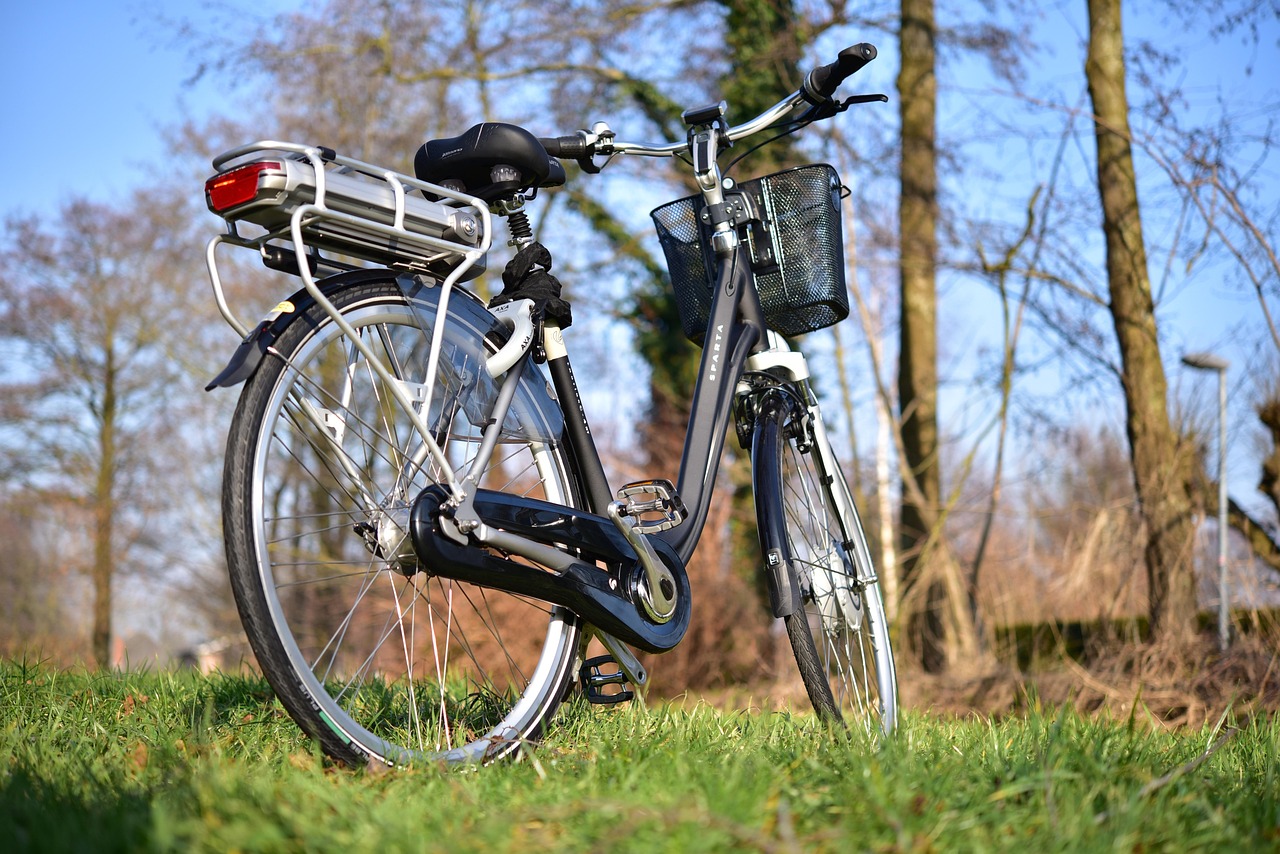
You won’t find a Harley-Davidson-branded electric bicycle specifically designed for hunting. Harley-Davidson’s consumer bicycle activity is done through Serial 1 Cycle Company, which produces urban and commuter e-bikes rather than purpose-built hunting machines. That said, you have three realistic options: use a Serial 1 model on easy trails (with limitations), modify or convert an e-bike to suit hunting needs, or buy a purpose-built hunting e-bike from companies that focus on off-road and hunting use.
Below you’ll find detailed context, comparisons, legal and ethical points, modification ideas, buying guidance, and a checklist to help you choose or build the best electric bicycle solution for hunting.
Harley-Davidson, Serial 1, and electric two-wheelers: background
You’ll want to understand the relationship between Harley-Davidson and electric bicycles before deciding. Harley-Davidson created a separate brand, Serial 1, to produce electric bicycles that echo some brand heritage but cater to commuters and recreational riders. Harley-Davidson itself also invested in electric motorcycles (LiveWire), but those are full-size motorcycles, not bicycles.
Serial 1 bikes emphasize style, rideability, and everyday utility. They are generally set up for paved or compacted-surface trails, with components and design choices that favor commuting and light gravel rather than heavy off-road or hunting applications.

Are Serial 1 bikes usable for hunting?
Yes — with qualifications. You can ride a Serial 1 model into light, well-maintained trails, short off-road approaches, or fields. However, Serial 1 models aren’t purpose-built for hunting for several reasons:
- Tires and traction: they typically come with narrower tires meant for urban riding, which can struggle in mud, deep snow, sand, or extremely rough terrain.
- Cargo and hauling: they lack the heavy-duty cargo racks, trailers, and winches you’ll find on hunting-specific e-bikes.
- Frame geometry and durability: they’re built for commuting stresses, not repeated load hauling of game or long, rough off-road abuse.
- Noise and stealth: motor and drivetrain noise levels may be acceptable, but purpose-built hunting bikes focus on muted operation and torque control for stealthy approaches.
If you’re hunting in easy terrain on private lands or parks where e-bikes are allowed, a Serial 1 might work if you’re realistic about limitations and plan accordingly.
What you should look for in a hunting e-bike
Choosing a hunting e-bike requires prioritizing features that match your hunting style and the terrain you’ll cover. Here’s what matters most to you:
- Motor torque and placement: mid-drive motors deliver better climbing and gear use; high torque helps you carry heavy loads or pull trailers.
- Battery capacity and range: long-range batteries matter if you plan multi-mile approaches and heavy return loads. Consider usable range under load and terrain.
- Tire size and traction: fat tires (3.0″+) give flotation in mud, snow, and soft ground. Look for tubeless-ready rims and durable tread.
- Suspension: front suspension or full suspension smooths technical terrain; for heavy hauling, a robust front fork helps control.
- Cargo capacity and mounting points: heavy-duty racks, frame mounts, and the ability to attach trailers or game haulers are essential for retrieving animals.
- Weight and center of gravity: heavier bikes can haul more but are harder to carry; low center of gravity improves handling with a load.
- Class and legal compliance: many lands require pedal-assist-only Class 1 e-bikes; throttles or Class 2/3 speeds may be restricted.
- Stealth and finish: matte or camo color options and quiet drivetrains reduce detection by game.
- Reliability and serviceability: you want accessible batteries, replaceable parts, and a support network to keep you in the field.
- Cold-weather performance: batteries degrade in cold; you’ll need battery care and insulation for winter hunts.
Comparing Serial 1 models vs hunting-specific e-bikes
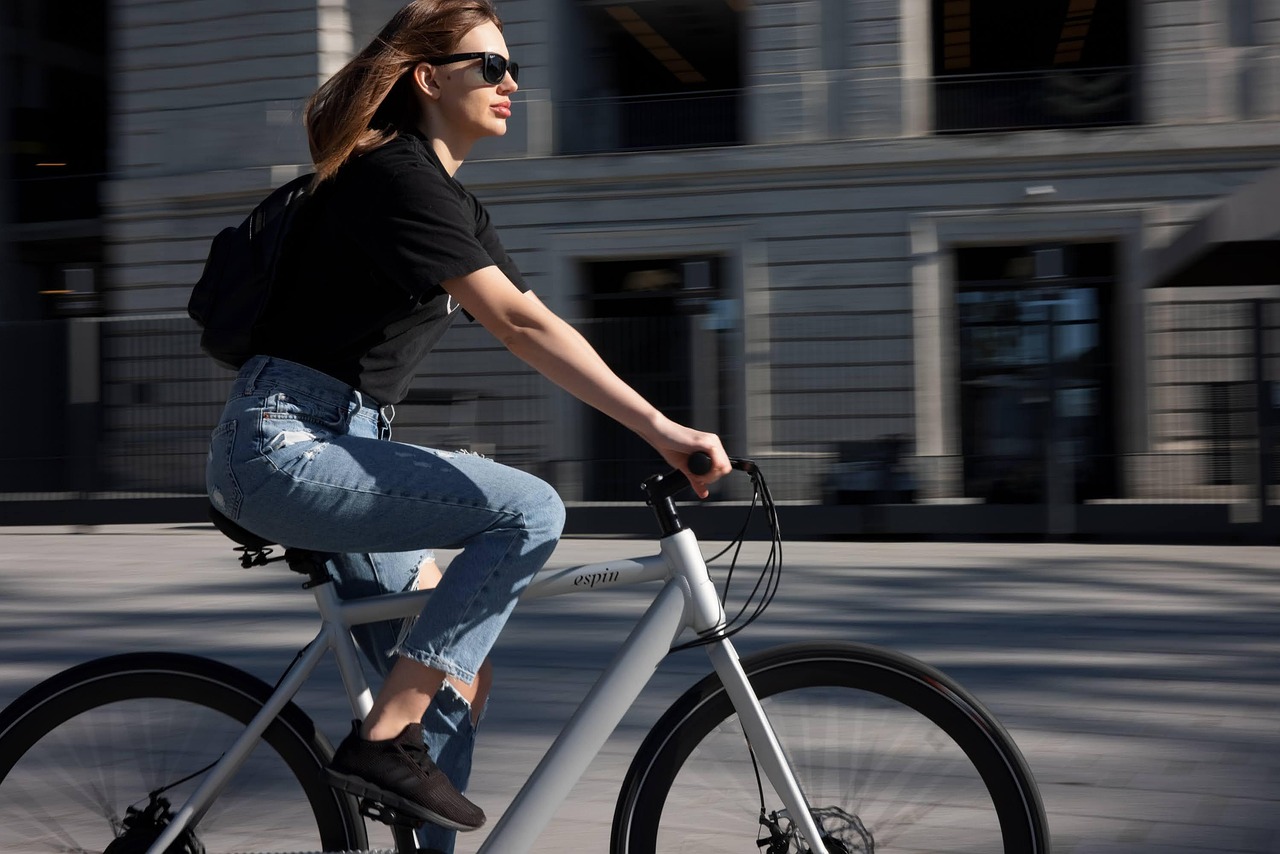
A side-by-side look helps you see tradeoffs. The table below summarizes how Serial 1 commuter-style e-bikes compare to typical hunting e-bikes from dedicated manufacturers.
| Category | Serial 1 (Harley-Davidson spin-off, commuter) | Typical Hunting E-Bike (QuietKat, Rambo, Bakcou, etc.) |
|---|---|---|
| Designed for | Commuting, urban, light gravel | Off-road, trails, muddy/rocky terrain, game retrieval |
| Tire type | Narrower (hybrid/gravel) | Fat tires (3″+) for flotation and traction |
| Motor placement | Mid-drive or hub (commuter-tuned) | High-torque mid-drive for hauling and climbing |
| Cargo capability | Light racks, commuter cargo | Heavy-duty racks, integrated hauler/towing options |
| Suspension | Light front suspension or rigid | Front or full suspension tuned for load |
| Noise level | Quiet but not optimized for stealth | Designed for low audible signature under load |
| Weight | Lighter for commuting | Heavier, built for durability and hauling |
| Weather/cold performance | Good for general use | Components optimized for harsher conditions |
| Legal class options | Typically Class 1 / pedal-assist | Available in Class 1; some have throttle/assist variants |
| Suitability for serious hunting | Somewhat limited | High — purpose-built for hunting missions |
This comparison shows why many hunters prefer machines from companies focused on hunting or all-terrain e-bikes: they’re designed around the exact challenges you face when hunting.
Hunting-specific e-bike brands to consider
If you want purpose-built hunting e-bikes, look at companies focused on off-road and hunting needs. Here are some names and what they generally offer:
- QuietKat: focuses on heavy-duty, all-terrain e-bikes for hunters with fat tires, strong motors, and accessories like game racks and trailers.
- Rambo (by QuietKat initially): emphasizes durability, power, and hunting-specific accessories like rear hauling racks and game carriers.
- Bakcou: makes robust hunting e-bikes with fish-and-game specific accessories and long-range batteries.
- Rad Power (Ranger or RadRover lines): not hunting-only but offers rugged platforms that many hunters adapt with racks and mods; known for value.
- Stealth (electric mountain bikes): high performance and stealthy noise characteristics; often at higher price points.
- Specialized/other mainstream brands: some fat-bike or e-MTB models are adaptable but may require aftermarket racks or mods.
You’ll find variations in price, warranty, dealer support, and accessory ecosystems. Evaluate each brand for battery options, motor power, and modular accessory availability.

Modifying or converting an e-bike for hunting
If you like the styling and ride of a Serial 1 or another commuter e-bike, you can make it more hunting-capable. You’ll need to weigh benefits against warranty risk and structural limits. Here are practical modifications you can do and what to watch out for:
- Swap tires: Fit wider, more aggressive tires compatible with your rims. If rims won’t accept fat tires, you may need new wheels.
- Add racks and mounts: Install heavy-duty rear racks, front racks, frame bags, and panniers. Ensure the frame and rack are rated for your expected loads.
- Attach a trailer or game hauler: A tow trailer lets you retrieve animals without permanently modifying the bike.
- Add a gun mount or scabbard: Use purpose-made mounts that secure firearms safely and don’t affect balance.
- Add protection and skid plates: Protect the battery, motor, and underside from rocks and branches.
- Improve lighting and power: Add robust lighting for pre-dawn/post-dusk retrieval; consider a field charger or spare battery.
- Re-tune motor assist: If possible, adjust throttle curves or pedal-assist profiles for lower speed torque and stealth. Note: altering electronics can void warranties.
- Repaint or wrap: Reduce glare and visibility to game with matte or camo wraps.
- Upgrade drivetrain components: Heavier duty chains, chainrings, and derailleurs help handle extra loads.
- Install a dropper seatpost: Makes mounting/dismounting easier on steep terrain.
Be realistic: converting a commuter bike rarely matches a purpose-built hunting e-bike’s durability and hauling capacity. Also, check warranty conditions before altering factory electronics or structural components.
Legal, land-use, and ethical considerations
Before using an e-bike for hunting, you must check local regulations and consider fair-chase ethics. Here’s what you need to verify:
- State hunting regulations: Each state’s wildlife agency sets rules about using motorized vehicles during hunting seasons. Some states ban motorized access; others allow e-bikes (often defined by class).
- Public lands policies: Federal agencies (USFS, BLM) and state land managers may have separate rules on e-bike use on trails, and restrictions can differ by trail designation.
- E-bike classifications: Class 1 (pedal-assist, up to 20 mph), Class 2 (throttle assist), and Class 3 (pedal-assist up to 28 mph) are common. Many hunting rules prefer or require Class 1 because it maintains more of a “pedal-based” approach.
- Access agreements: Private lands are controlled by owners — always get permission and understand their rules about motorized access.
- Fair chase ethics: Consider whether using an e-bike provides an unfair advantage, how it affects wildlife stress, and whether it aligns with your personal and community ethics.
- Game retrieval rules: Some jurisdictions restrict mechanical assistance in retrieving game; check whether trailers or motors are allowed for retrieval or transport.
You should contact your state wildlife agency and the land manager of the area where you’ll hunt to confirm specific allowances and restrictions.
Practical hunting tips when using an e-bike
Using an e-bike for hunting can be a huge advantage when done right. Here are practical tips to increase success and reduce risk:
- Plan routes and battery use: Estimate round-trip distances and battery drain when loaded; account for elevation gain and heavy rolling resistance from fat tires or deep snow.
- Carry a spare battery or portable charger: A second battery gives you flexibility for remote retrieval. Consider a small solar panel or gas generator only as a last resort.
- Keep batteries warm: Batteries lose capacity in cold temps. Keep spare batteries close to your body or insulated when not in use.
- Pack minimal but essential gear: Use lightweight pack systems, food, water, first aid, and tools. Every added pound reduces range.
- Use low-gear, low-assist for stealth approaches: Pedaling with minimal motor intervention reduces noise and exhausts less battery while keeping you quiet.
- Secure firearms safely: Mount guns low and centered, or carry them in a scabbard that won’t swing or snag while riding.
- Practice mounting/dismounting: Learn to handle the bike with a full load so you don’t tip and damage gear or injure yourself.
- Practice with trailers beforehand: A loaded game trailer changes handling significantly. Practice turning, braking, and uphill starts with the trailer attached.
- Keep recovery gear: Straps, a tow strap, basic tools, and puncture repair kits let you handle most field issues.
- Respect other users: Yield to hikers and horses; follow trail etiquette and local rules.
- Be mindful of noise and scent: An e-bike can reduce fatigue and cover more ground, but don’t overuse it in ways that chase game or reduce fair chase.
Maintenance and winter performance
You need a maintenance plan that suits hunting conditions, especially in winter:
- Battery management: Charge before trips, keep spare batteries insulated, and return used batteries to ambient temps slowly; cold charging can stress cells.
- Lubrication: Use wet-weather chain lube and clean your drivetrain after muddy rides. Salt and moisture accelerate corrosion.
- Tire pressure management: Lower pressures increase traction on soft ground but increase puncture risk. Use sealant for punctures and consider tubeless setups.
- Brake care: Heavier loads require well-maintained brakes. Check pads and rotor alignment before season.
- Suspension and frame checks: Inspect bolts, welds, and suspension for play after rough rides.
- Regular electrical checks: Ensure connectors and cables are sealed from moisture; clean contacts and use dielectric grease where appropriate.
- Post-hunt cleanup: Remove blood, mud, and organic matter promptly to prevent corrosion.
If you hunt in freezing temperatures, expect battery range reduction and plan accordingly. You may need to store batteries inside a heated pack between uses.
Cost considerations and budget guide
E-bike hunting setups vary widely in price. Here’s a general idea to help you plan:
- Commuter e-bikes (Serial 1 and similar): Typically less expensive than purpose-built hunting e-bikes; good value for light-duty use. Expect mid-range prices depending on spec, accessories, and dealer markups.
- Purpose-built hunting e-bikes: Often priced higher due to heavy-duty components, large batteries, and accessory ecosystems. You’re paying for durability and capability.
- Accessories and modifications: Racks, trailers, spare batteries, gun mounts, and covers add to the overall cost.
- Long-term cost of ownership: Factor in battery replacements (after several years), tires, brakes, and potential repairs caused by heavy off-road use.
If budget is tight, consider buying a mid-range hunting-capable e-bike and slowly adding accessories, or buying a used purpose-built model from someone upgrading.
Pros and cons of using e-bikes for hunting
Weigh the advantages and drawbacks so you can make an informed decision.
Pros:
- Increased range: You can access farther stands and reduce physical strain.
- Faster retrieval: Recover larger game more quickly with trailers or heavy-duty racks.
- Reduced physical wear: Allows hunters with limited mobility to continue hunting.
- Quiet operation: Modern e-bikes can be quieter than ATVs or trucks if used with restraint.
- Lower trail impact than ATVs in many conditions.
Cons:
- Regulatory uncertainty: Laws and land rules vary and can be restrictive.
- Cost: Purpose-built hunting e-bikes and accessories can be expensive.
- Battery limitations: Cold weather and heavy loads reduce range.
- Limited off-trail capability: Even hunting e-bikes have limits in extremely rough terrain.
- Weight and transport: Heavy bikes can be hard to transport or lift without a trailer or rack.
Buying checklist: how to choose the right hunting e-bike
Use this checklist while comparing models or planning modifications:
- Terrain compatibility: Will the bike handle your typical trails (mud, snow, sand, steep climbs)?
- Motor torque: Does the bike provide enough torque for loaded climbs and towing?
- Battery capacity: Can the battery handle your approach + retrieval + reserve?
- Tires and rims: Are tires fat enough? Are rims tubeless-ready?
- Cargo and mounting: Are racks, trailers, and mounting points adequate?
- Weight and handling: Can you handle the bike on rough ground and when lifting is necessary?
- Legal class: Is the bike configured to meet regulations for hunting access in your area?
- Service and warranty: Do you have access to reliable service and parts?
- Accessories: Check availability of gun mounts, trailers, and game carriers.
- Cold-weather performance: Ask the dealer about performance in your typical hunting temps.
- Noise level: Confirm the bike’s noise under load and when coasting.
- Price and value: Compare cost of bike plus necessary accessories against alternatives like ATVs or mules.
If you decide to modify a Serial 1 or commuter e-bike: a step-by-step plan
If you choose a Serial 1 bike and want to adapt it for hunting, follow a structured plan so you don’t overcommit or ruin the bike:
- Assess the frame’s load limits and wheel clearance — this determines tire and rack compatibility.
- Choose tires that fit the rim and provide traction; if they don’t fit, consider a wheel swap.
- Add a heavy-duty rear rack rated for your expected hauling weight or plan for a tow trailer.
- Install a gun mount that positions firearms for balance and quick retrieval.
- Fit lighting and low-energy navigation aids for pre-dawn and post-dusk trips.
- Buy at least one spare battery and a method to keep it warm in cold weather.
- Add protection (skid plates) to vulnerable parts like the battery and motor.
- Test the complete setup on non-hunting trips to assess reliability, handling, and battery drain.
- Confirm legal compliance with local regulations before using the modified bike for hunting.
Final recommendations and summary
- If you want a Harley-Davidson-branded hunting e-bike: You won’t find a Harley-Davidson bike built specifically for hunting. Serial 1 bikes are the closest association, but they are commuter/urban oriented.
- If you want capability and durability for hunting: Choose a purpose-built hunting e-bike from brands like QuietKat, Rambo, Bakcou, or other off-road specialists. They’re built for the loads, conditions, and accessory options you’ll need.
- If you already own a Serial 1 or similar commuter e-bike: You can make targeted modifications for light hunting, but expect limitations on heavy hauling, extreme terrain, and warranty coverage.
- Regulations matter: Before you commit, contact your state wildlife agency and land managers, and confirm e-bike class rules and motorized access for hunting areas.
- Test and train: Practice riding and hauling in the conditions you’ll face. That experience will inform whether your chosen bike will serve you well on actual hunts.
If you want, I can:
- Compare a specific Serial 1 model to a hunting e-bike model you’re considering.
- Provide a prioritized accessory list (gun mounts, trailer, spare battery) tailored to your hunting style and terrain.
- Walk you through a conversion plan for a particular bike frame or help locate hunting-legal trails in your state.
Which option would you like help with next?