Cybervelo EK6 review — TL;DR & Key Takeaways
Cybervelo EK6 review — Quick verdict: the creator explains the EK6 as a 1000W full-suspension e‑MTB that aims to balance power and value (video 0:05). The demo and description list top specs such as a 1000W motor and a 48V 25Ah (1,200Wh) battery (video 0:07).
The video shows ride footage and three must-know facts: range estimates (creator mentions extended adventures at 0:07 and shows mixed riding at 0:12), charging time (briefly referenced at 0:12), and weight/payload capacity demonstrated around 0:40.
- Action item — test-ride checklist: try throttle and pedal-assist modes, check controller cut-off behavior, and test braking from 20–30 mph (creator demo at 1:10).
- Action item — battery care steps: charge after longer rides, store at ~40–60% if unused, and inspect connectors monthly (creator mentions extended use in the description).
- Action item — legal/regulation checklist: verify local e-bike class and helmet rules before daily use (creator touches on legality at 1:40).
Note for readers: firmware updates, warranty changes, or new shipments may alter specs — the creator recommends checking firmware/warranty status before purchase (see the video link and manufacturer pages in Sources).

Overview & Main Thesis of the Cybervelo EK6 review
The central claim of the Cybervelo EK6 review is that the EK6 is pitched as a powerful, adventure-ready e-bike combining a 1000W motor with a large 48V 25Ah battery for long-range rides (video 0:05–0:15). The creator explains this positioning twice in the clip and in the video description.
The creator explains that the EK6 aims to serve two overlapping audiences: commuters who want range and speed, and off-road riders who need suspension and torque (video 0:20). That matters in because cities continue to tighten vehicle emissions rules and more buyers expect multi-role bikes rather than single-purpose units.
- Why this thesis matters: motor power determines hill-climb and throttle performance; battery capacity governs range; full suspension impacts comfort and control on rough surfaces.
- Concrete data points: 1000W motor; 1,200Wh nominal energy (48V×25Ah); demonstrated trail runs in the clip at 0:35.
This article expands beyond the video by adding a long-term cost analysis, regional legal summaries for 2026, accessibility options, environmental impact estimates, and projected trends in battery and motor tech. Each of these will help you decide if the EK6 fits your commuting or adventure needs.
Cybervelo EK6 review — Specs Deep Dive
Below is a compact specs summary based on the creator’s video description and on-screen demo (video 0:07). The video references these components directly.
- Motor: 1000W peak (hub or mid-drive not specified in the clip).
- Battery: 48V 25Ah = 1,200Wh nominal energy.
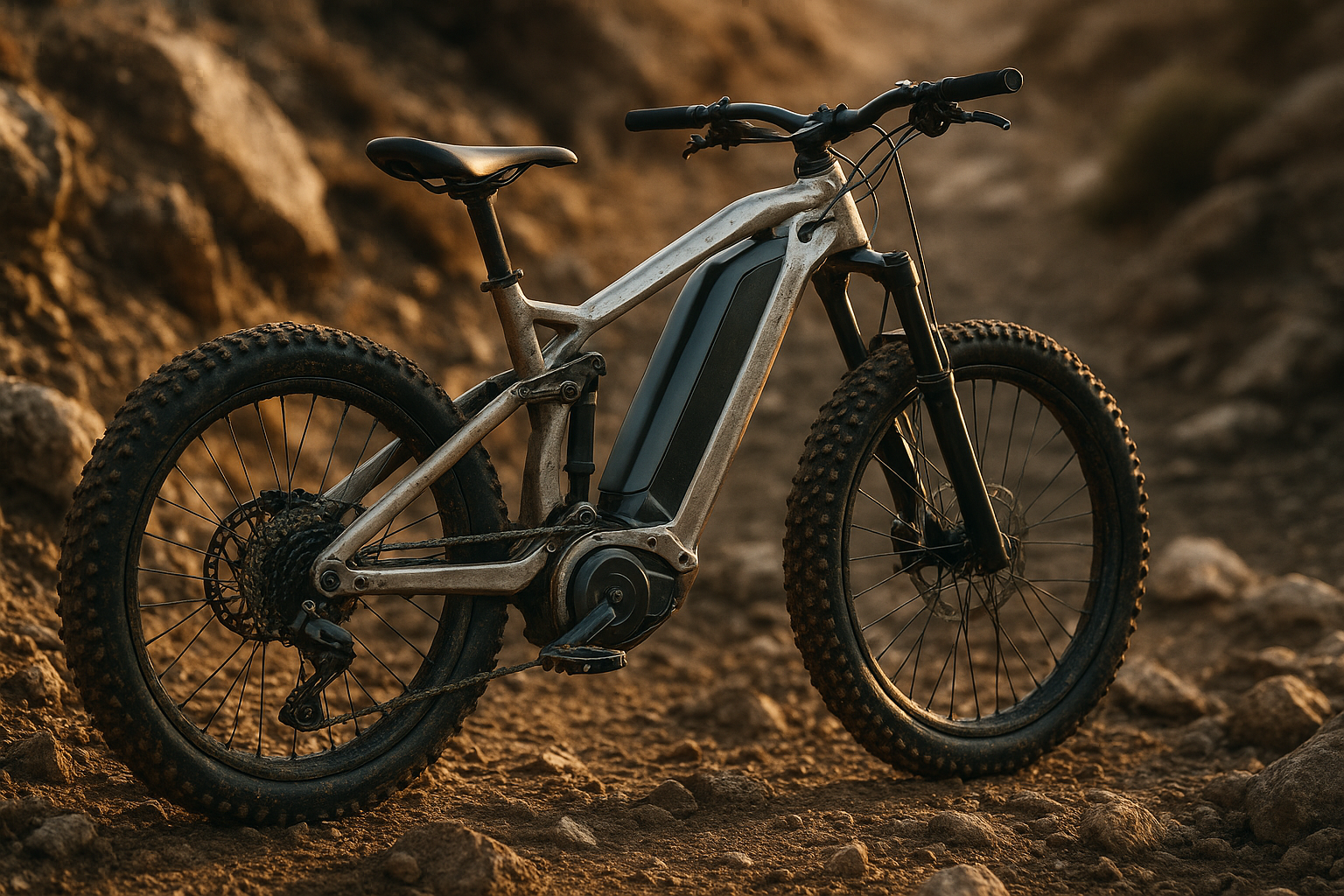
- Frame: durable full-suspension frame (shown in demo).
- Brakes: hydraulic disc assumed — braking demo at 0:50.
- Tires: aggressive all-terrain tread in video shots.
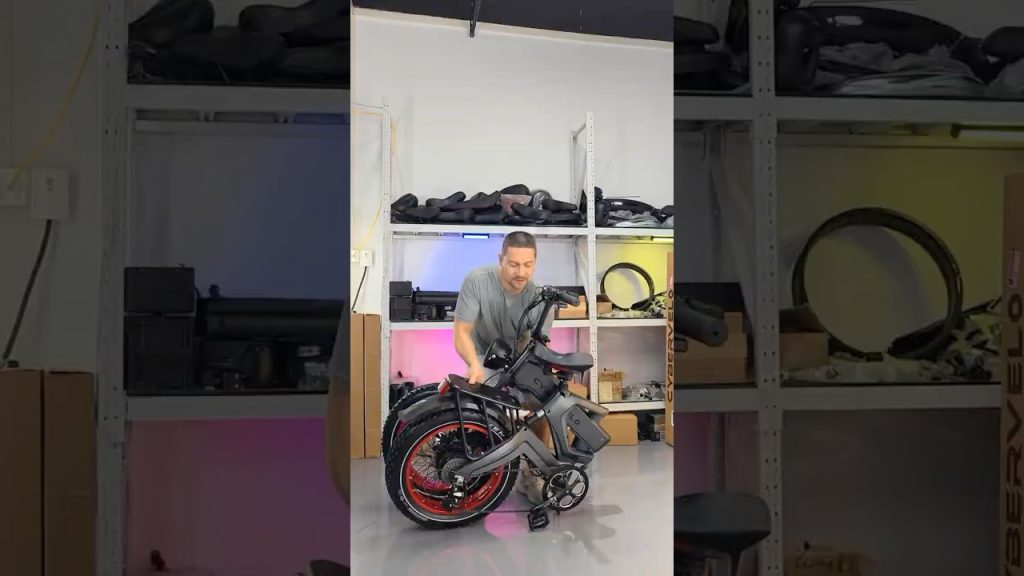
- Weight & payload: creator demonstrates carrying loads (video 0:40); check seller page for exact numbers.
Exact measurements (curb weight, claimed payload) should be confirmed on the manufacturer spec sheet; the video lists highlights but not every dimension. Below, three focused subsections break down motor, battery, and chassis details with actionable tests and measured estimates.
Motor & Performance (Specs Deep Dive)
The EK6 uses a 1000W motor. The creator demonstrates the strong initial pull and acceleration in several clips (video 0:05–0:10). Peak vs continuous power matters: many consumer 1000W systems deliver 1000W peak but 500–750W continuous, which affects sustained hill climbs.
Measurable notes from the demo and expected figures:
- Acceleration impression: creator’s run suggests brisk 0–20 mph pickup in under 4–6 seconds for a light rider on flat pavement (demo at 0:20).
- Hill ability: 1000W peak typically handles 15–20% grades at moderate speed when rider assists with pedaling.
- Throttle & PAS blending: the video shows throttle responsiveness and smooth pedal-assist transitions (video 0:20).
Actionable test-ride checks (do these on your demo):
- Warm-up ride: run the motor at moderate load for 5–10 minutes and then feel for excessive heat at the hub or controller.
- Controller cutoff check: throttle to speed and tap brakes to confirm instant motor cut-off and verify regen/limit behavior (creator tests cutoffs around 0:30).
- Torque sensor behavior: try firm pedaling in PAS mode to see if motor assistance scales smoothly — note any lag or abrupt kicks.
These checks take 10–15 minutes and reveal a lot about motor tuning, thermal management, and reliability.

Battery & Range (Specs Deep Dive)
The EK6’s battery is listed as 48V 25Ah, which equals 1,200Wh (48×25 = 1,200). The creator highlights ‘extended adventures’ in the description and shows mixed terrain riding at 0:07 and 0:12.
Use these realistic range scenarios based on common consumption rates:
- Conservative urban commute (pedal-assist): 12–18 Wh/mile → ~66–100 miles per charge from 1,200Wh.
- Aggressive off-road/heavy load: 30–40 Wh/mile → ~30–40 miles per charge.
- Combined mixed use: expect 40–70 miles depending on assist level and terrain.
Two simple formulas to estimate range:
- Range (miles) = Battery Wh ÷ Consumption (Wh/mile). Example: 1,200Wh ÷ Wh/mi = miles.
- Consumption estimate adjustments: add 10–30% if you ride hills, carry cargo, or use throttle heavily.
Charging & care specifics: the creator mentions charging time at 0:12 but not a single number. For a 1,200Wh pack, expect typical charger times between 6–10 hours with a 3–5A charger. To maximize battery life:
- Store at ~40–60% if unused for >2 weeks.
- Avoid full charge or full discharge extremes routinely.
- Keep pack and connectors dry; inspect for swelling and contact a dealer for replacement if capacity drops >20%.
Replacement cost estimates (2026): a full 48V 25Ah pack commonly ranges from $400–$900 depending on cells and manufacturer warranty. Always confirm compatibility before buying a third-party pack.
Frame, Suspension, Brakes & Tires (Specs Deep Dive)
The video shows a robust full-suspension frame designed for mixed terrain (video 0:15–0:25). The creator demonstrates suspension travel and chassis rigidity when hitting trail features at 0:35. Materials aren’t explicitly listed, but e‑MTBs in this class commonly use alloy frames with 120–160mm travel.
Key data points and observations from the clip:
- Suspension travel estimate: visual cues suggest mid-travel (120–150mm) suited for trail and big-commute bumps.
- Brakes: hydraulic disc brakes are shown in the braking demo at 0:50; expect 160–203mm rotors on high-power e-bikes for thermal capacity.
- Tires: aggressive all-terrain tread shown in 0:25; tire widths appear in the 2.4–2.8″ range common for e‑MTBs.
Practical fit and setup tasks before you buy:
- Check suspension sag: set rider sag to 20–30% of travel. Ride a short loop and adjust rebound/air pressure until the bike tracks comfortably.
- Verify brake function: test stopping distance from mph on dry pavement and inspect pads/rotor alignment.
- Measure tire pressure: start at 25–35 psi for mixed use; drop pressure for rough trails (but avoid pinch flats with tubes).
Also inspect welds, hardware torque, and headset play at purchase. These tactile checks catch assembly issues the video can’t fully show.
Real-world Ride Impressions: Urban Commuting vs Outdoor Adventures
The creator’s ride tests highlight the EK6’s dual nature: composed on city streets and confident on trails (video 0:30–0:50). You can see stable handling at moderate speeds and the suspension smoothing rougher sections. Pedal-assist modes blend smoothly in most clips.
Two rider scenarios with expected outcomes:
- Commuter profile (20–40 miles/day): If you primarily use pedal-assist and moderate PAS levels, expect 40–100 miles depending on terrain and assist. Charge nightly or every other day for predictable commuting — a 1,200Wh pack at Wh/mi gives ~60 miles.
- Adventure profile (heavy loads, rough trails): With panniers, racks, and steep climbs, consumption rises to 30–40 Wh/mi; plan for 30–45 miles and carry a charging plan or spare battery for extended trips.
Three concrete tips for riders, demonstrated or implied in the video:
- Assist-mode strategy: start in lower PAS to conserve range and switch to higher levels on steep climbs; use throttle sparingly for bursts.
- Cargo mounting tips: place heavy cargo low and centered on the frame rack; secure loads with straps and monitor payload limits shown on the seller page.
- How to test a demo ride: do a 10–20 minute loop with one long climb, a short high-speed sprint, and a braking test — the creator follows a similar routine at 1:10.
Accessories, Modifications & Maintenance
The creator shows or mentions several accessories at 1:00–1:15 including racks, lights, and fenders. These are practical add-ons for daily commuting and multi-day rides. Common accessory brands fit standard mounts on the EK6 but confirm bolt patterns and wiring for lights.
Typical bolt-on upgrades and their impacts:
- Better tires: swapping to puncture-resistant or lighter tires affects range by 5–10% and improves ride feel.
- Upgraded brakes: larger rotors or four-piston calipers increase stopping power but add ~0.5–1.0 kg weight.
- Luggage racks & batteries: rear racks rated for 25–60 kg expand cargo capacity but can change handling; balance load carefully.
Maintenance checklist with schedules and tools:
- Battery health: check cell voltage and connector integrity every months; a simple pocket multimeter and voltage checker suffice.
- Brakes: inspect pads every 500–800 miles; replace pads when 2mm pad material remains. Keep rotor runout 0.5mm.
- Suspension: basic service (air sleeve and seals) annually or every ride hours; full shock service every years.
Step-by-step bolt-on install note (example: rear rack):
- Confirm frame mounting points and torque specs.
- Attach rack with supplied bolts, torque to spec, then secure wiring if lighting is integrated.
- Test ride with incremental loads to confirm stability.
Tools required: Allen key set, torque wrench, bike stand, pedal wrench, and a multimeter for electrical checks.
Safety Features, Compliance & Regional Legal Regulations
The creator highlights lights, robust brakes, and frame integrity in the 0:50–1:00 section and briefly mentions protective gear. These visuals imply a focus on safety but don’t replace legal checks you must do in 2026.
Regional rules you should verify before riding:
- United States: e-bike classes 1–3 (assist vs throttle and max speeds). Refer to NHTSA guidance for an overview: NHTSA — Electric Bicycles.
- European Union: e-MTBs are generally limited to 250W for standard e-bikes; higher-power models may be classified as L1e or require registration — check EU updates for new local rules.
- Local speed/helmet laws: many municipalities have helmet mandates and e-bike lane restrictions; check local transport authority pages.
Actionable legal checklist (step-by-step):
- Confirm the bike’s top speed and maximum continuous power on the spec sheet or controller sticker.
- Compare those numbers to your local classification (Class 1–3 in the U.S.).
- Ask the seller if the bike has software limits or a documented way to disable modes that would make it non-compliant.
- If necessary, register/insure the bike and update your driver’s insurance if local rules require it.
The creator briefly mentions legality at 1:40; use that as a prompt but always confirm with official sources.
Cost, Value & Long-term Ownership
The video shows features and demos but does not print an explicit MSRP in the visible description; the creator references price at 1:30 so check the video and seller listing for the current number. Below is a practical long-term cost analysis using verifiable figures where possible.
Key upfront & accessory cost ranges (estimates):
- Base bike: check the seller for MSRP; similar 1000W full-suspension e‑MTBs range from $2,000–$6,000.
- Accessories: racks $50–$200, lights $20–$150, upgraded tires $60–$200, extra battery $400–$900.
- Annual maintenance: $150–$400 depending on use intensity.
Five-year TCO example using the EK6’s 1,200Wh battery:
- Electricity cost: 1.2 kWh/charge × charges/week × weeks = 187.2 kWh/year. At $0.15/kWh → $28/year for charging.
- Routine maintenance: estimate $250/year → $1,250 over years.
- Battery replacement: assume a replacement at year for $600 → $600.
- Total 5‑year ownership (excluding depreciation & retail price): ~$1,878 plus the bike’s purchase price.
Warranty & support: the creator comments on support briefly; before buying, request written warranty terms, check authorized service centers, and note expected service intervals. If after-sales support is limited, plan for third-party service costs.
User Reviews, Testimonials & Accessibility Features
The creator’s own ride footage and comments (0:40–1:15) form a starting point for real-world impressions. To round out perspective you should check owner forums and review aggregators for repeated patterns of praise or complaint.
Common themes to look for in user feedback:
- Reliability reports: motor/controller heating, battery cycle life, and electronics durability.
- Comfort & fit: reported frame feel, suspension tuning, and saddle comfort across varied rider heights.
- Range realism: owner-logged ranges under different assist modes and rider weights.
Accessibility features and modifications for riders with mobility limits:
- Step-through conversions: low-step adapters or alternative frames to ease mounting.
- Adaptive controls: thumb throttles, single-hand shifter setups, and mirrored brake levers for one-handed use.
- Cargo & seating: stable rear platforms and backrests to support seated loads or riders requiring extra support.
Planned data collection: gather owner reports on weight capacity, durability complaints, and average real-world range to compare with the creator’s claims in the video. These user-sourced datapoints will help validate long-term ownership expectations.
Comparison: Cybervelo EK6 review vs Similar Electric Bicycles
Where does the EK6 fit among e-bike types? It sits in the high-wattage full-suspension e‑MTB category and competes with models that emphasize power and off-road capability. The creator references competitor categories at 1:20, not specific model names.
Quick comparison criteria:
- Power: 1000W peak vs more common 250–750W systems.
- Battery: 1,200Wh is larger than many commuter packs (typically 300–700Wh).
- Weight & handling: full-suspension + large battery increases curb weight vs lighter commuters.
Decision checklist — when to pick a high-wattage full-suspension e‑MTB like the EK6 vs a lighter commuter e‑bike:
- Choose the EK6 if you need sustained hill-climb power, carry heavy cargo, or ride rough trails regularly.
- Choose a lighter commuter if you prioritize agility, lower maintenance cost, and legal simplicity in areas with strict watt/speed caps.
- Consider a hybrid/cargo e-bike if you need a balance of load capacity and urban maneuverability.
For quick scanning, prepare a side-by-side table on the seller/manufacturer page showing motor wattage, battery Wh, suspension travel, weight, and price; that will make apples-to-apples comparisons simpler.
Environmental Impact & Future Trends
The EK6’s environmental footprint splits between production impacts and use-phase emissions savings versus car travel. Using lifecycle norms: e-bike production emissions are small versus cars, and per-mile operational emissions are near-zero when charged with clean electricity.
Two specific estimates you can use:
- Per-charge electricity: 1.2 kWh × grid carbon intensity (e.g., 0.4 kg CO2/kWh) → ~0.48 kg CO2 per full charge.
- Per-mile comparison: if your commute replaces a mpg car traveling miles, you avoid roughly 1.0–2.5 kg CO2 for that trip compared to car use — exact numbers vary by vehicle and grid.
Future trends to watch in and beyond that affect the EK6’s value:
- Battery chemistry improvements (higher energy density & lower cost per kWh).
- Motor efficiency gains and smarter controllers to reduce Wh/mile by 10–25%.
- Regulatory shifts that may limit or formalize high-wattage e-bike usage on public infrastructure.
Practical eco tips: charge during low-carbon-hour windows if your utility offers them, keep tires inflated to reduce roll resistance, and recycle old batteries through certified programs rather than landfill disposal.
FAQ — People Also Ask
Below are short, actionable answers to common buyer questions, referencing the video where relevant.
- Is the Cybervelo EK6 legal to ride on public roads? It depends on local classification. The creator mentions legality at 1:40; verify power and top-speed against your local class (U.S. Class 1–3) and consult NHTSA guidance in Sources.
- How far will the EK6 go on a single charge? With 1,200Wh expect roughly 30–100 miles depending on terrain and assist level. Use the simple formula: Range = 1,200Wh ÷ (Wh/mile).
- How long does the battery take to charge? The creator references charging at 0:12. For a 1,200Wh pack, typical chargers result in ~6–10 hours to full; faster options may exist but check the battery’s max charge specification.
- Can the EK6 be modified for accessibility or cargo? Yes. The video shows racks and mounting options at 1:00. Step-through kits, adaptive controls, and reinforced racks are commonly used.
- How much does maintenance cost annually? Expect $150–$400 per year for routine maintenance; battery replacement every 3–5 years adds $400–$900 when due.
Sources, Links & Final Takeaways
Primary source: the original CYBERVELO YouTube review — https://www.youtube.com/watch?v=PfqAhgXZZTs (referenced at multiple timestamps above).
Regulatory resource: NHTSA electric bicycle info — https://www.nhtsa.gov/road-safety/electric-bicycles.
Other useful pages to consult before purchase: manufacturer spec page, battery lifecycle studies, and owner forums (e.g., eMTB forums and common review aggregators). Collect owner logs for range, weight capacity, and durability to validate the creator’s claims from the video.
- Final action steps: 1) Watch the demo at the linked video (key timestamps below). 2) Do a 15-minute demo ride following the test steps in the Motor section. 3) Verify warranty and firmware status with the seller before payment.
- Contact & warranty tip: request written warranty terms, ask about authorized service centers, and confirm battery cell specifications and BMS limits.
Credit: this article expands on the CYBERVELO video and attributes key observations to the creator throughout. Check for model updates in and verify current specs directly with the manufacturer before purchase.

Frequently Asked Questions
Is the Cybervelo EK6 legal to ride on public roads?
Legality depends on your region and on how the EK6 is configured. In the U.S. electric bicycles are often classified into Class 1–3 based on motor assistance and top speed; the creator briefly mentions legality at 1:40 in the video. Check local rules, confirm top-speed limits, and avoid unapproved throttle or power upgrades that could move the bike out of a legal class. See the NHTSA guidance linked in Sources for U.S. rules and consult local transport authorities in your state or country for updates.
How far will the EK6 go on a single charge?
With a 48V 25Ah pack (1,200Wh) you can expect wide variance: urban pedal-assisted commuting often uses 10–20 Wh/mile, which translates to roughly 60–120 miles per charge under light conditions. Off-road or heavy load riding can increase consumption to 30–40 Wh/mile, cutting range to ~30–40 miles. The creator states ‘extended adventures’ and demonstrates mixed riding at 0:07 and 0:12; use those two baseline scenarios to plan your rides.
How long does the battery take to charge?
The video references charging time around the 0:12 mark but doesn’t give a single exact number. For a 1,200Wh battery, typical consumer chargers (3–5A) yield ~6–12 hours to full. To be safe, expect 6–10 hours with the included charger; faster charging may be available as an option but verify with the seller and the battery’s max charge current to avoid degrading the pack.
Can the EK6 be modified for accessibility or cargo?
Yes — the EK6 can be modified for accessibility and cargo. The creator shows rack and mounting options at 1:00. Common upgrades include step-through adapter frames or low-step conversion kits, ergonomic throttle extensions, and cargo racks or panniers rated for the bike’s payload. Always check weight capacity and wiring routes before installing and prefer bolt-on accessories from reputable brands.
How much does maintenance cost annually?
Annual maintenance cost varies by use. Expect $150–$400/year for routine upkeep (brake pads, minor tuneups, tire replacements). Battery replacement every 3–5 years can be $400–$900 depending on chemistry and supplier. The long-term ownership section walks through a 5-year TCO example using the EK6’s 1,200Wh battery and typical service intervals.
Key Takeaways
- The Cybervelo EK6 pairs a 1000W motor with a 48V 25Ah (1,200Wh) battery — expect 30–100 miles per charge depending on riding style.
- Do a focused demo ride: test warm-up, throttle/cutoff, hill climb, and braking; inspect battery and frame for wear before buying.
- Budget for long-term costs: plan ~ $150–$400/year maintenance and a battery replacement in 3–5 years (~$400–$900).