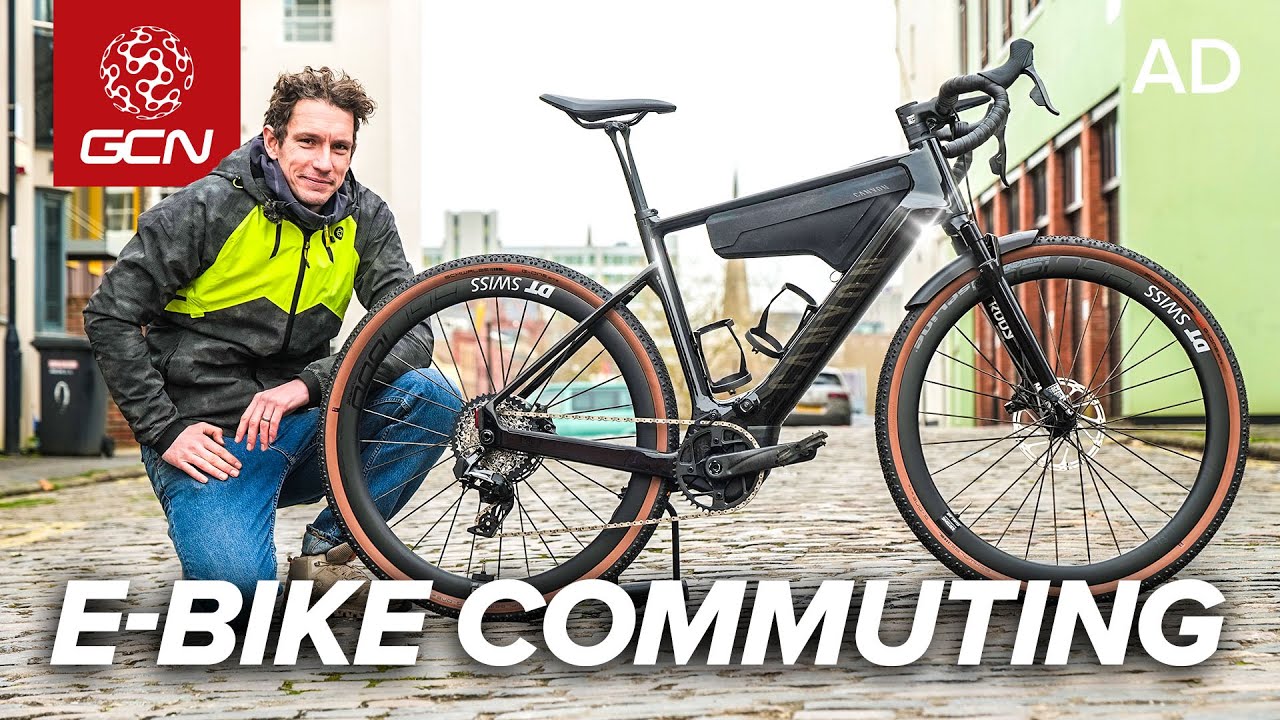
Commuting on an E-Bike Video By Global Cycling Network walks you through seven things you wish you’d known about commuting on an e-bike, centered on the new Canyon Grizl:ON as Si and guest Matt test it on a real commute. The short piece sets practical expectations so you can decide if an e-bike fits your daily ride.
You’ll find clear sections on battery life, how weight affects handling, whether e-bikes make riding easier and safer, why prices run high, maintenance costs, speed comparisons, and a timestamped commute that shows if opinions changed. Use those takeaways to plan charging, budget for upkeep, and see whether an e-bike could transform your commute.

Video Summary and Purpose
Overview of the Global Cycling Network video and episode context
You’re reading a breakdown of a GCN video titled “7 Things We Wish We’d Known About Commuting On An E-Bike,” which focuses on the Canyon Grizl:ON. The episode mixes practical advice with a real-world commute test, so you get both the technical bits and the lived experience of riding an e-bike for daily travel. The presenters walk through common surprises and useful tips for anyone thinking about swapping a traditional bike or car commute for an electric-assisted ride.
Hosts and special guest: Si and Matt and their role in the test
In the video, Si is one of the hosts guiding the discussion and setting up the test scenarios. Matt joins as a special guest and co-rider who brings a fresh, practical perspective—he’s essentially a stand-in for a typical commuter. Together they compare impressions, swap observations during the route, and illuminate how the Canyon Grizl:ON performs for two different riders with real commuting needs.
Objective of the video: testing the Canyon Grizl:ON on a real commute
The core objective is simple: put the Canyon Grizl:ON into an everyday commute to see whether it actually improves the experience. You’ll learn whether the bike’s design and electronics translate into meaningful time savings, less effort, or greater comfort for a work commute, and whether it introduces any new issues you should plan for. The aim is to help you decide if an e-gravel/commuter like the Grizl:ON fits your daily routine.
Quick timestamp roadmap referenced in the video for viewers
You can use the following timestamps as a quick guide to the video’s main topics: 00:00 Intro, 00:59 How long do e-bike batteries last for?, 02:54 How much does weight matter on an e-bike?, 04:23 Do e-bikes make riding easier and safer?, 06:07 Why are e-bikes so expensive?, 06:45 How expensive is it to maintain an e-bike?, 09:34 Is an e-bike faster?, 09:53 Our commute to work, 12:03 Has your opinion changed on e-bikes?.
Canyon Grizl:ON Introduction
Key positioning: Canyon’s new e-bike aimed at commuters and gravel riders
You’ll see the Canyon Grizl:ON presented as a hybrid solution that bridges the gap between gravel riding and daily commuting. It’s positioned to appeal if you want more capability than a pure city e-bike—think adventure-ready geometry and mount points—while still being practical for daily trips to work. It’s pitched as versatile enough for mixed-surface rides and reliable enough for regular urban use.
Primary design goals: versatility, practicality, and performance
The Grizl:ON is designed with three goals in mind: versatility to handle gravel and tarmac, practicality for carrying cargo and commuting essentials, and performance so you don’t feel like you’re sacrificing ride quality. That means a frame and geometry tuned for comfort over longer rides, mounting points for racks and bottles, and an e-assist system that boosts your ability without dominating the ride.
Notable hardware highlights introduced in the video
In the video, you’ll notice the integrated battery and a mid-drive motor setup that gives a natural-feeling assist. The frame includes multiple mounts for racks and bags, and the tires are broader than a typical road commuter’s, improving comfort and grip. Cable routing appears tidy and components are chosen to cope with higher assisted speeds—things like stronger brakes and robust wheels are emphasized as part of the package.
How the Grizl:ON differentiates from traditional commuter e-bikes
Unlike many commuter e-bikes that prioritize utility with upright geometry, built-in racks, and full fenders, the Grizl:ON keeps a sportier stance and gravel-capable features. You still get commuter-friendly touches, but they’re blended with a bike that’s equally happy away from strict urban use—so you’re buying a multi-role machine rather than a single-purpose city e-bike.

Battery Life and Range
How long e-bike batteries typically last per charge (video discussion at 00:59)
At 00:59 the hosts discuss typical per-charge expectations: many modern e-bike batteries will reliably cover anywhere from 30 to 80+ miles (50–130+ km) depending on the bike and settings. For a commuter using moderate assist levels, you can often expect a full day of rides without topping up. The Grizl:ON’s battery is positioned to comfortably handle most single-day commute needs and even longer weekend rides when managed sensibly.
Factors that affect real-world range: assistance level, rider weight, terrain, speed, and load
You should keep in mind that the range shown by manufacturers is an idealized number. Real-world range depends on how much assistance you use, your weight, the terrain (hills eat battery), average speed, wind, and how much cargo you carry. Ramp up the assist on climbs or haul a heavy load and your range will drop. Conversely, gentle assist and flatter routes extend it.
Battery longevity over years: cycles, care, and storage tips
Battery health matters over the long term. Lithium-based e-bike batteries degrade with charge cycles and time; expect some capacity loss after a few hundred full cycles. You can prolong life by avoiding frequent full discharges, storing the battery at moderate charge levels (around 30–70%) in cool, dry places, and not leaving it fully charged or drained for long periods. Proper winter storage and avoiding extreme temperatures will help maintain performance over years.
Practical advice from the video for estimating commute range and planning charging
The video advises you to be conservative when estimating range—plan on a buffer rather than pushing the advertised maximum. If your commute is close to the bike’s single-charge limit, consider charging at work, carrying a partial-charge plan, or reducing assist on one leg. Regularly monitoring battery state-of-charge and learning how different assist modes affect your battery use will let you reliably predict when to charge.
Weight and Handling Considerations
How much weight matters on an e-bike (topic covered at 02:54)
Around 02:54 the hosts highlight that weight matters, but not always in the ways you expect. The added mass of a motor and battery is noticeable when you lift, carry, or maneuver the bike at low speed, but once rolling the e-assist helps mask its impact. You’ll feel the weight when mounting stairs, loading the bike on racks, or picking it up for maintenance.
Impact of added battery and motor weight on handling and stability
The extra weight from the motor and battery changes handling characteristics. If the weight is centralized and low, as in many modern designs, stability can actually improve, especially at speed. However, a heavy rear-mounted battery or poor distribution can make the bike feel sluggish in tight, technical maneuvers. You’ll want to assess how the Grizl:ON’s weight distribution influences cornering and responsiveness for your riding style.
Design choices to manage weight distribution and cargo capacity
Manufacturers mitigate weight impacts by placing batteries low in the frame, using compact mid-drive motors, and reinforcing frames where stresses increase. The Grizl:ON follows that trend with mounts for racks and bags so you can carry cargo without upsetting balance. You should evaluate whether the bike’s mounts and frameset can handle the loads you plan to carry and whether the geometry suits loaded riding.
Lifting, mounting, and storage implications for urban commuters
For urban commuters, practical considerations like lifting the bike onto public transport, storing it in tight apartments, or mounting it on car racks become important. You’ll find e-bikes heavier to lift and maneuver, so plan for secure, convenient storage and consider the practicality of your bike’s weight in everyday routines—steps, tight stairwells, and bike racks can quickly become frustrating if you haven’t prepared.
Does an E-Bike Make Riding Easier and Safer?
Assisted pedaling benefits for climbing, acceleration, and reducing sweat on arrival (discussed at 04:23)
At 04:23 the hosts point out the obvious: electric assist makes climbs easier, accelerates you more smoothly from stops, and reduces exertion so you arrive less sweaty. That’s a big win if you want to commute in work clothes or avoid needing a shower at the office. You’ll also find you can maintain a higher average speed with less effort, making longer commutes feasible without exhausting yourself.
Safety benefits and new considerations: interaction with traffic, overtaking, and speed control
E-bikes can improve safety by helping you accelerate out of intersections and keep up with traffic. However, the increased speed potential introduces new considerations: you might overtake more quickly, which impacts how you interact with cars and pedestrians. You need to manage speed carefully in congested areas and be mindful that drivers may misjudge how fast you’ll close on them.
Braking, traction and component upgrades recommended for higher assisted speeds
Because e-bikes can sustain higher speeds, braking and traction demands increase. The video suggests stronger brakes, better tires, and reinforced wheels as sensible upgrades or factory choices for high-assist riders. You should ensure your braking system and tires are rated for the loads and speeds you’ll encounter and consider using wider tires or higher-quality brake pads for consistent performance.
Visibility, lights, and protective gear to enhance commuter safety
Visibility becomes more important when you’re moving faster or mixing with traffic. Use bright lights front and rear, reflective clothing, and a helmet with appropriate certification. The hosts recommend thinking about protective gear and active safety—like predictable signaling and defensive riding—to reduce risk, rather than relying solely on the bike’s assist to keep you safe.
Price and Value of E-Bikes
Why e-bikes often come with higher price tags (topic at 06:07)
At 06:07 the video covers why e-bikes cost more: they combine a traditional bike’s frame engineering with expensive electronic and electrical components. The price jump reflects the complexity of integrating a motor, battery, and control electronics into a bike that still needs to ride well.
Cost drivers: motor systems, battery technology, integrated electronics, and frame engineering
Major cost drivers include the motor and battery, both of which use specialized, costly components; the software and sensors needed to manage power delivery; and reinforced frames engineered to cope with additional torque and weight. Higher-end e-bikes also invest in upgraded braking, drivetrain, and wheelset components to match the demands of electric assistance.
Evaluating value: long-term savings vs upfront cost for regular commuters
You should weigh the higher upfront cost against potential long-term savings: reduced fuel or public transport fares, lower maintenance than a car, and time saved. If you ride daily, the cost per trip can be attractive. Consider how much value you place on comfort, time savings, and flexibility when judging whether the Grizl:ON’s price is justified for you.
Financing, incentives, and resale considerations
Look into financing options, local incentives, or tax breaks your area may offer for e-bike purchases to reduce the upfront burden. Also think about resale value: well-maintained e-bikes from respected brands often hold value, but battery health impacts resale price. Planning for these financial angles can make a high initial cost feel more manageable.
Maintenance and Running Costs
Typical maintenance tasks that differ from regular bikes (topic at 06:45)
The video at 06:45 highlights that e-bikes add electrical maintenance on top of normal bike upkeep. Besides drivetrain, brakes, and tires, you’ll deal with battery charging routines, software updates, and occasional motor diagnostics. These tasks are generally straightforward but require awareness and sometimes specialist service.
Battery care, electronic diagnostics, and motor service recommendations
You’ll need to follow battery care best practices—regular charging, moderate storage states, and avoiding extreme temperatures. For electronics, keep firmware updated and monitor any diagnostic lights or app notifications. If the motor shows odd noises or performance drops, get a qualified technician to inspect it rather than attempting deep repairs yourself.
Common replacement parts and their expected costs
Expect to replace consumables like tires, brake pads, chains, and cassettes at similar intervals to regular bikes—sometimes more often due to higher assisted speeds. Batteries are the most expensive component to replace; a new battery can be several hundred to over a thousand dollars depending on the model. Motor repairs can also be pricier than typical mechanical fixes.
Tips for minimizing running costs: preventive maintenance, warranties, and proper storage
To keep running costs down, do preventive maintenance: keep the drivetrain clean and lubricated, check tire pressures, and address small issues early. Use manufacturer warranties and extended service plans where available. Store the bike and battery correctly to reduce degradation and avoid unnecessary replacements in the long run.
Speed, Efficiency and Commute Time
Is an e-bike faster? discussion and metrics from the video (09:34 and 09:53)
At 09:34 and 09:53 the hosts discuss speed changes and present metrics showing e-bikes can be meaningfully faster for commutes, mainly because the assist helps you sustain higher average speeds with less effort. Short bursts of acceleration and easier hill climbing compound into substantial time savings over a typical route.
How e-bikes change average commute speed and perceived effort
You’ll notice your perceived effort drops even when your actual commute speed rises. That makes e-bikes feel like a faster, less tiring option. For many commuters, this translates into reaching work fresher and being more willing to ride in varying weather or attire because you’re not arriving exhausted.
Route selection and traffic interactions that influence time savings
Time savings depend heavily on your route. Routes with hills or lots of stop-start traffic benefit most from e-assist. If your route is flat and already quick by bike, gains are smaller but still present. Urban traffic patterns, signal timing, and how easily you can keep momentum will all influence how much time you save.
Legal speed limits, assisted-power cutoffs and how they affect real-world speed
Remember legal limits: many regions cap e-bike assistance at a certain speed (often around 25 km/h / 15.5 mph in Europe, higher allowances in some other places). Above that, you must provide all the power yourself. These cutoffs shape real-world speed—you might reach higher speeds downhill or with a strong tailwind, but the motor will stop assisting at the legal limit.
Real-World Commute Test: Host Impressions
Description of Si and Matt’s actual commute scenario (12:03 segment)
In the 12:03 segment the hosts show their regular commute environment—urban streets mixed with cycle paths and some short climbs. You’ll see them ride the Grizl:ON along a route typical of many commuters: mixed surfaces, traffic lights, and short sections where speed or acceleration matter.
Terrain, distance and typical obstacles encountered on their route
Their route includes a mix of tarmac, potential gravel patches, short climbs, traffic junctions, and urban obstacles like parked cars and pedestrian crossings. The distance is representative of a moderate city commute, long enough to make battery and comfort relevant but short enough for day-to-day repetition.
Performance observations: comfort, handling, battery behavior, and rider feedback
Both Si and Matt report that the Grizl:ON delivered comfortable geometry and predictable handling, even when carrying some gear. The assist helped on climbs and junctions, and battery behavior matched their expectations with sensible use. They highlight that the bike felt stable at speed, the motor provided smooth assistance, and the broader tires added confidence on mixed surfaces.
Have opinions changed on e-bikes after the test? reflections and key takeaways (12:03+ segment)
After the ride, both hosts note that their opinions have shifted toward appreciation: the e-bike made the commute easier and more enjoyable without turning the ride into a passive experience. The key takeaway is that the Grizl:ON and similar e-bikes can transform commuting by making it faster, less sweaty, and more practical, though you should still plan for weight, maintenance, and initial cost.
Conclusion
Concise summary of the video’s main takeaways about commuting on an e-bike
In short, the video shows that a well-designed e-bike like the Canyon Grizl:ON can reliably improve commuting by offering meaningful assist for hills and acceleration, decent battery range for daily use, and commuter-friendly design features without losing gravel-capable versatility.
Overall assessment of whether the Canyon Grizl:ON (and similar e-bikes) can transform a commute
You’ll find that the Grizl:ON can genuinely transform a commute—making it quicker, less tiring, and more flexible. It’s especially compelling if your route includes hills or mixed surfaces, or if you want one bike that works for both daily travel and weekend rides.
Actionable next steps for viewers: test-ride, check local rules, plan routes and charging
If you’re considering an e-bike, take a test-ride to feel handling and weight distribution, check local legal limits for e-bike assistance, plan your route and charging strategy, and evaluate storage and transport logistics at home and work. Those steps will help you confirm whether an e-bike fits your lifestyle.
Final recommendation and encouragement to watch the full GCN video for a visual test and deeper insights
Overall, if you want a practical, versatile e-bike that covers commuting and adventure riding, the Canyon Grizl:ON is worth considering. Watch the full GCN video to see the visual test and hear Si and Matt’s on-the-road impressions—seeing the ride in action will give you a clearer sense of how it might change your own commute.
Canyon has released a new e-bike! We look at the Canyon Grizl:ON, potentially the bike to answer all your commuting hopes and dreams. Si and our special guest, Matt, test out the e-Bike on their regular commute to work. Will their commute be transformed by this electric bicycle?
In association with @CanyonBicycles 👉
Check out the Canyon Grizl ON 👉
Useful Links:
Everything Cycling. All In One Place 👉
GCN Uploader 👉
Visit the GCN Shop 👉
Would you like to try the NEW Canyon Grizl ON? ⚡️
Let us know in the comments 💬
Watch more on GCN…
📹 Canyon’s Performance Gravel Bike Gets A Redesign | New Canyon Grail 👉 • Canyon’s Performance Gravel Bike Gets A Re…
📹 Watch our Editor’s Choice Playlist 👉
📹 Or why not check out our Features Playlist 👉
🎵 Music – licensed by Epidemic Sound 🎵
So Long Yesterday – Coma Svensson
All That’s Left (Instrumental Version) – Ingrid Witt
Charging – OTE
Heaven Was Mine after All (Instrumental Version) – Zorro
It Don’t Fit (Instrumental Version) – Windshield
Mountains (Instrumental Version) – The Eastern Plain
Never Die Old – Sven Karlsson
Never Meant to Be (Instrumental Version) – Gloria Tells
Sirens (Instrumental Version) – Rain Jewels
sit sit (Instrumental Version) – Ingrid Witt
📸 Photos – © Velo Collection (TDW) / Getty Images \u0026 © Sirotti Images
The Global Cycling Network (GCN) is the largest online cycling channel in the world, bringing together a global community of road cyclists to celebrate everything that’s great about the world of cycling.
Our videos bring fans compelling daily content including expert tutorials, techniques, training, racing, cutting-edge bike tech, unparalleled behind the scenes event coverage, humour, entertainment, and more.
Presented by ex-pro riders, GCN offers a uniquely qualified insight into the world of cycling, and most importantly it’s fuelled by our passionate and enthusiastic fans – everyone who makes up the GCN community. We also bring the latest and greatest tech to your attention, showcase the best places in the world to ride and get exclusive access to events and races.
Welcome to the Global Cycling Network | Inside Cycling
Thanks to our sponsors:
Pinarello Bikes:
Topeak Tools:
Canyon Bikes:
Camelbak:
Pirelli Tyres:
Orbea Bikes:
Vision Wheels:
Wahoo Fitness:
Park Tool:
Whoop Fitness:
Selle Italia:
SiS:
Zwift:
DMT Shoes:
Silca:
MET Helmets:
Strava:
ShadowStand:
Precision Fuel \u0026 Hydration:
AGU:
Elitewheels:
Watch our sister channels:
GCN Tech – / @gcntech
GCN Racing – / @gcnracing
Global Triathlon Network – / @gtn
GCN Italia – / @gcnitalia
GCN en Español – / @gcnenespanol
GCN auf Deutsch – / @gcnaufdeutsch
GCN en Français – / @gcnenfrancais
GCN Training – / @gcntraining
Global Mountain Bike Network – / @gmbn
GMBN Racing – / @gmbnracing
GMBN Tech – / @gmbntech
Electric Mountain Bike Network – / @embn
