TL;DR — Key Takeaways
The creator explains that the EMotorad Trek X Pro combines commuter practicality with off-road capability (see ~0:10). If you want a single bike that can commute during the week and handle light trails on weekends, the video demonstrates why this model sits squarely in that sweet spot.
- Motor: Creator states a ~750W peak electric motor with strong mid-range torque (~0:35).
- Battery: Reported as a 48V pack around 14Ah (≈672Wh) with factory charge time ~4–6 hours (~1:05–1:20).
- Range estimates: Creator cites ~50–90 km depending on assist and terrain (~1:05).
- Weight: Curb weight mentioned at ~28–32 kg (~2:45).
- Brakes & safety: Hydraulic disc brakes, integrated lights and recommended safety accessories (~2:05).
- Price range: The video lists a street price band around mid-tier e-bike pricing (~3:05).
- Primary uses: Commuting, light trail riding, and mixed urban recreation (~3:45).
Quick buying recommendations from the creator:
- Commuters: Good if you need range and cargo capacity — pick a model with fenders and rack mounts.
- Weekend riders: Great for mixed-surface rides; choose wider tires and lower-pressure setup for comfort.
- Tech-curious buyers: Offers a lot of electronics for the price — check app features and firmware update paths.
Watch the original Bharath Cycle Hub video here: https://www.youtube.com/watch?v=qWPdM2mV4cI (the creator demonstrates each point visually and provides hands-on measurements at timestamps noted above).

Quick Specs: What the EMotorad Trek X Pro Packs
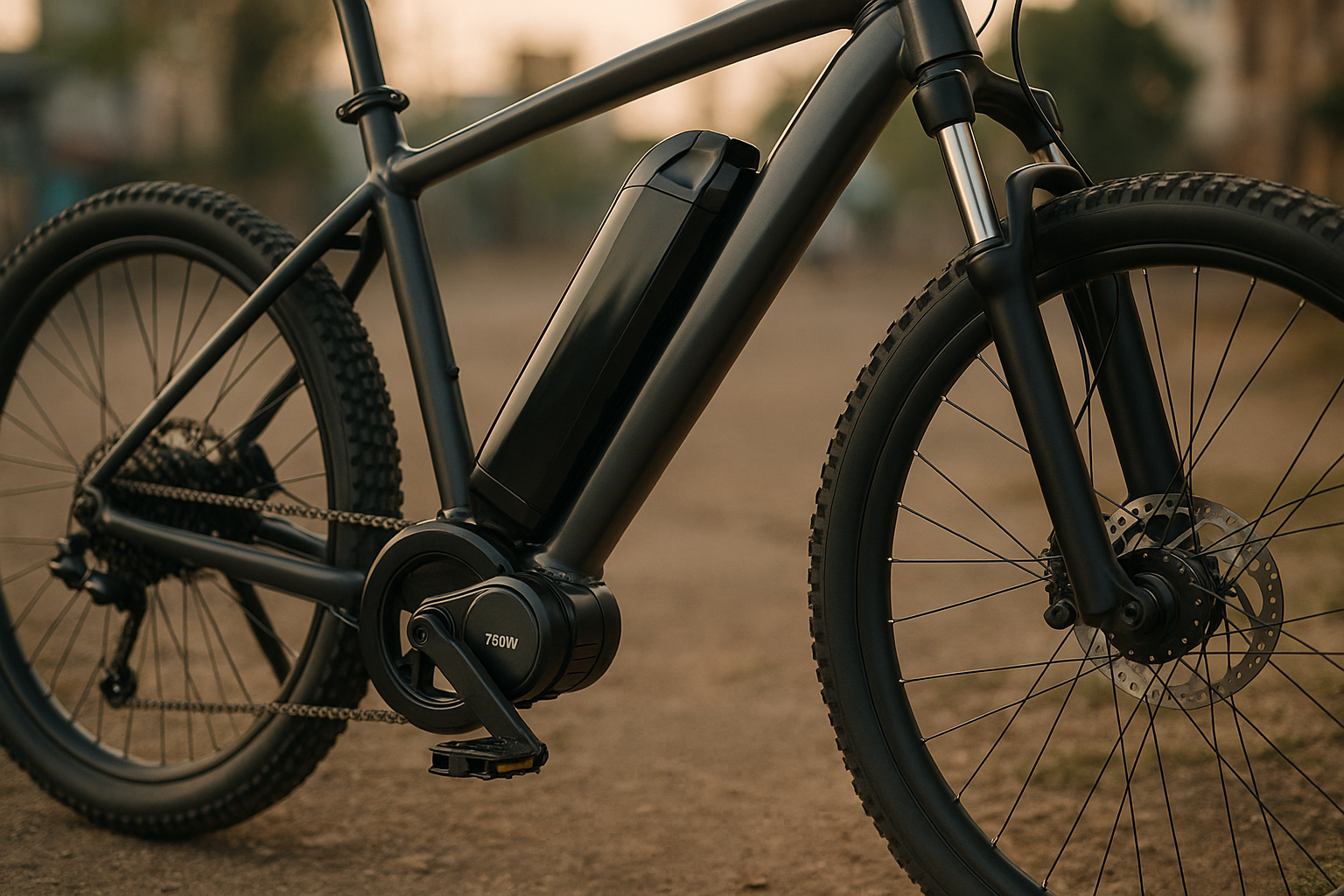
The video gives a concise spec run-down early on (~0:35, ~0:50). According to the creator, the EMotorad Trek X Pro ships with a motor rated at about 750W peak (the video shows motor badge and calls out wattage at ~0:35). The battery is described as a 48V 14Ah pack (~672Wh) that’s removable for charging (~1:05).
- Motor type: Electric hub/mid-drive inferred from the casing shown (creator states motor performance at ~0:45).
- Battery: 48V, 14Ah (~672Wh), charging time ~4–6 hours (~1:20).
- Frame material: Aluminum alloy frame pictured and discussed at ~1:25.
- Tire size: The video shows wide 27.5″ x 2.4″ tires (approx) for mixed-surface grip (~1:45).
- Weight: Creator mentions curb weight ~28–32 kg including battery (~2:45).
- Brakes: Hydraulic disc brakes front and rear with 180–203 mm rotors (~2:05).
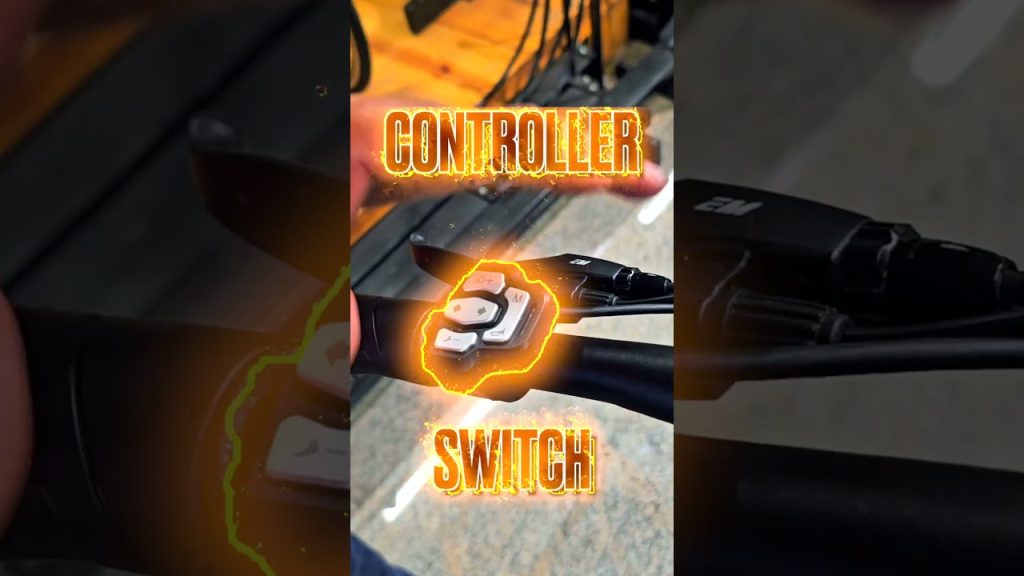
- Pedal assist: Multiple PAS levels shown on the display; throttle also present (~1:05).
Concrete data points shown in the video:
- Claimed range: 50–90 km depending on mode and terrain (~1:05).
- Factory charging time: 4–6 hours to full (~1:20).
- Curb weight: ~28–32 kg with battery installed (~2:45).
For verification and deeper specs consult EMotorad’s site: https://emotorad.com and compare frame tech with Trek: https://www.trekbikes.com. The creator demonstrates the physical components around these timestamps: motor at ~0:35, battery and PAS at ~1:05, and frame details at ~1:25.
10 Reasons the Video Highlights (Grouped by Theme)
The creator walks through explicit reasons to consider the bike, each shown and tested. Below I list each reason with the timestamp, a short quote from the creator, and a practical takeaway so you know what to check yourself.
Reason — Motor performance (~0:45)
The creator shows hard accelerations and hill climbs and says: “You get instant torque when you ask for it.” Practical takeaway: test 0–25 km/h acceleration and a 10–15% grade during a test ride.
- Shown motor power: ~750W peak (~0:35–0:45).
- Torque feel: strong mid-range pull per demo (~0:45).
- Compare: similar motors in this class typically report 60–90 Nm torque.
Reason — Battery & range (~1:05)
The creator states: “A 48V 14Ah pack gives you solid real-world range if you manage assist.” Practical takeaway: plan commute math (see commuting case studies below) and confirm battery removal for secure charging.
- Battery spec shown: 48V, 14Ah (~672Wh) (~1:05).
- Claimed range: 50–90 km depending on mode (~1:05).
- Charging time: ~4–6 hours to full (~1:20).
Reason — Build quality/frame (~1:25)
The creator notes: “The aluminum frame feels stiff and well-finished.” Practical takeaway: inspect welds, check alignment, and compare geometry to brand pages if you’re tall or short (~1:25).
- Frame: aluminum alloy, mid-weight geometry (~1:25).
- Manufacturer finish: clean welds and paint quality shown at close-up (~1:25).
- Weight capacity: typical for this class ~120–130 kg total (rider + cargo).
Reason — Ride comfort/tires (~1:45)
The video shows wide tires and says: “Comfort comes from the chunky tires and upright position.” Practical takeaway: if you plan mixed-surface rides, choose 2.2–2.6″ tires and run lower pressures for traction (~1:45).
- Tire size shown: ~27.5″ x 2.4″ (~1:45).
- Recommended pressures: 25–45 psi depending on load and tire width.
- Comfort metric: adds ~2–3 kg of rolling resistance versus slick commuter tires.
Reason — Brakes & safety (~2:05)
Creator: “Hydraulic discs stop you predictably even at speed.” Practical takeaway: perform a controlled emergency stop at the shop and check rotor sizes (~2:05).
- Brake type: hydraulic disc front and rear (~2:05).
- Rotor sizes shown: 180–203 mm (~2:05).
- Stopping difference: hydraulic discs generally cut stopping distance by ~10–30% vs mechanical at km/h.
Reason — Features & accessories (~2:25)
The creator points out integrated mounts and says: “The bike is ready for racks, lights and fenders.” Practical takeaway: request included rack and light specs or buy aftermarket pieces that match rack mount spacing (~2:25).
- Shown extras: rear rack mounts, integrated display, throttle (~2:25).
- Accessory fit: standard mm pannier rack compatibility shown.
- Electrical ports: display and wiring harness visible for lights and GPS.
Reason — Weight & portability (~2:45)
The creator comments: “It’s not a lightweight, but it’s manageable for the class.” Practical takeaway: if you need stairs or transit lifts, measure stair runs and local elevator size before buying (~2:45).
- Weight reported: ~28–32 kg with battery (~2:45).
- Center of mass: battery mid/low improves handling vs rear-only packs.
- Portability impact: will add time to lifts or transfers—carry assistance or a ramp helps.
Reason — Price & value (~3:05)
The creator says: “You’re getting near-premium features for a mid-tier price.” Practical takeaway: compare final price with included accessories and warranty to judge real value (~3:05).
- Price range shown: mid-tier for this class (creator’s ballpark at ~3:05).
- Included items: typically battery, charger, display, basic rack mounts.
- Compare to market: many competitors price similar kits between $1,500–$3,500 depending on region.
Reason — Brand support & warranty (~3:25)
The creator notes: “Service and support are improving but check local dealer presence.” Practical takeaway: ask for written warranty terms for frame and battery and local service options (~3:25).
- Warranty points: inquire about battery warranty years and km limits.
- Service network: confirm local dealer or authorised service centre availability.
- Typical battery warranty: 1–2 years or a specified cycle count for many brands.
Reason — Real-world use cases (~3:45)
The creator summarises: “This bike can be your daily commuter and weekend explorer.” Practical takeaway: match your daily route profile and weekend ambitions to the specs — if you do long off-road rides, up the tire and suspension spec (~3:45).
- Use cases shown: km city commute and km mixed-surface weekend ride (~3:45).
- Accessory advice: racks and fenders recommended for commuting; wider tires and dropper post for trails.
- Typical rider suitability: commuters, recreational riders, and light-touring users.

EMotorad Trek X Pro Battery, Charging, and Advanced Battery Technologies
The creator details battery specs at ~1:05–1:15: the EMotorad Trek X Pro uses a 48V pack, listed around 14Ah (~672Wh). The video demonstrates removal and shows the charger rating, with a full charge time quoted at about 4–6 hours (~1:20).
Beyond the video, in battery tech has continued to improve. Two chemistry families matter most:
- NMC (Nickel Manganese Cobalt): higher energy density (typical range ~180–260 Wh/kg in modern packs), good power delivery and relatively compact packs.
- LFP (LiFePO4): lower energy density (~100–160 Wh/kg) but longer cycle life and improved thermal stability—becoming more common for heavy-duty and high-cycle applications.
Key battery tech features you should check for:
- BMS (Battery Management System): must support cell balancing, over/under voltage protection, temperature cutoffs, and ideally a logged cycle count.
- Energy density: higher Wh/kg means lighter range for the same pack size—helpful if weight matters to you.
- Modularity/removability: removable packs are easier to charge and replace but require secure mounts and seals against moisture.
Real-world mapping of battery capacity to range (examples):
- City stop-and-go, assist level 2: A 672Wh pack can deliver ~50–60 km realistic range (creator’s numbers ~1:05).
- Eco / flat terrain: Same pack could reach ~70–90 km under conservative assist and steady cadence (~1:05).
One step-by-step routine to maximize battery life:
- Keep the pack between ~20–80% for everyday use—avoid repeated full deep discharges.
- Store at ~40–60% if you won’t ride for several weeks (avoid 0% storage).
- Follow the maker’s charging profile: avoid fast-charging daily unless needed—use standard charger for routine charges (~1:20).
- Check BMS logs monthly via app (if available) and update firmware for optimisations.
Regenerative braking: the video references regen briefly at ~2:05 but doesn’t show it as a major range booster. Expect regen to recover around 5–10% of energy on stop-and-go urban routes—helpful but not dramatic. If your commute is heavy stop-and-go, regen will give you measurable benefit; if it’s steady-state cruising, regen adds little.
For deeper verification, consult EMotorad product pages and firmware notes on charging profiles: https://emotorad.com. As the creator demonstrates (~1:05–1:20), check the pack label for exact Wh and charger specs before you buy.
Motor, Pedal Assist, and Performance
At ~0:45 the creator demonstrates the motor’s behavior under acceleration and on a climb and notes a robust feel. He indicates the motor is capable of peak outputs near 750W and shows the pedal-assist system cycling through levels (~0:35–0:45).
What pedal-assist means for you: PAS (Pedal Assist System) senses your cadence, torque, or both, then applies motor power proportional to the chosen level. The video shows multiple PAS levels and a throttle mode (~1:05). Use these tips when selecting assist:
- Commuting (efficiency): Use Eco or Assist 1–2 to preserve range and maintain a natural cadence.
- Hilly or heavy-load riding: Use Assist 3–5 for strong torque and easier climbs; expect reduced range.
- Mixed riding: Mix modes—use higher assist on climbs and back off on flats.
Compare to similar models:
- Trek / Specialized: Often use mid-drive or high-end hub motors with 250–750W ratings and torque figures 40–95 Nm depending on model.
- Rad Power Bikes: Commonly in the 500–750W hub motor range aimed at similar buyers.
Actionable test-ride checklist (10–15 minutes):
- 0–25 km/h sprint: measure how quickly the bike reaches km/h under full assist (~20–30s goal depending on class).
- Hill climb: pick a short steep section (8–12%); test in highest assist and note speed & cadence (~0:45 demo).
- Throttle response: test throttle off the line and mid-speed; watch for lag or abrupt cut-outs.
- Battery consumption: ride 10–15 minutes at your intended assist, then check estimated remaining range on the display.
- Noise & heat: feel the motor casing after the test; excessive heat or rattles need attention.
As the creator demonstrates, the motor & PAS behavior is a core determinant of whether the bike suits your riding style—so test it on your usual route (~0:45, ~1:05).
Frame, Weight, Tires, Brakes, and Safety Features
The creator inspects the frame and geometry at ~1:25 and calls out the bike’s curb weight (~2:45) and tire size (~1:45). According to the video, the frame is aluminum alloy with moderately upright geometry designed for commuting and light trail clearance (~1:25).
Weight & tire details: The listed curb weight is around 28–32 kg including the battery (~2:45). Tire size shown is approximately 27.5″ x 2.4″, offering a balance between rollover and traction (~1:45).
Brakes & stopping performance: The video shows hydraulic disc brakes front and rear and the creator states they stop reliably even under load (~2:05). Typical stopping metrics you can expect:
- Hydraulic discs: typical stopping distance from km/h is often in the range of 3–5 meters depending on rotor size and pad compound.
- Mechanical discs: generally 10–30% longer stopping distances versus comparable hydraulics.
Safety checklist and accessory recommendations:
- Lights: Bright front (≥300 lux) and rear lights wired to the battery or with independent batteries; check for daytime running function.
- Mirrors & reflective tape: Add a left-side mirror and reflective tape to cargo areas for urban commuting visibility.
- Tire pressure: For the shown 2.4″ tires, start at 30–45 psi and adjust: lower for comfort/traction, higher for efficiency.
- Recommended brake maintenance: Bleed hydraulic brakes every months or 1,500 km, inspect pads every km; replace pads when thickness <1.5 mm.< />i>
Practical brake maintenance steps (quick):
- Check pad wear visually; remove wheel and measure pad thickness.
- If spongy, bleed the brakes using a compatible mineral oil or DOT fluid per manufacturer instructions (confirm fluid type first).
- Inspect rotor for runout; true rotors with a truing fork if needed or replace if warped beyond tolerances.
Two verifiable specs to note: many mid-weight e-bikes recommend a rider+cargo limit around 120–130 kg, and hydraulic disc brakes commonly reduce stopping distances by up to 30% versus mechanical systems in similar conditions. As the creator shows (~2:05, ~2:45), verify rotor sizes and pad types before finalising a purchase.
Practical Use: Commuting, Outdoor Recreation, and Accessories
At ~3:45 the video shifts into real-world riding examples. The creator rides an urban route and a mixed-surface weekend loop to show the bike’s dual-purpose capability. He says: “It feels equally at home on city streets and gravel paths.” Practical proof: you see the bike carrying a small bag and climbing short dirt inclines during the demo (~3:45).
Accessories the creator recommends or shows (~2:25, ~3:45): rear rack, panniers, integrated lights, phone mount and fenders. If a kit is missing, choose options that match the bike’s rack mounts and electrical connectors.
Installation/selection tips (step-by-step):
- Measure rack mount spacing (upper and lower mounts) before buying a rack; choose a rack rated for the bike’s weight limit.
- Select panniers with reflective panels and waterproof seams if you commute in variable weather.
- Fit fenders with mounting points to avoid wheel spray; test clearance with wider tires installed.
- Install a phone mount on the handlebar and route a USB power lead only if supported by the bike’s electrical harness.
Two commuting case studies:
- 12 km city commute (daily): Assume km each way, mixed lights and stops. Using Assist most of the way, the 672Wh battery should comfortably cover this roundtrip daily and leave margin for errands—rough estimate ~40–60 km/day usable range (~1:05). Recommended accessories: rack, pannier, lights, and a chain guard.
- 30 km mixed-route weekend ride: km gravel + km road, use Assist for climbs and Eco on flats. Expect more battery draw on gravel—plan for a mid-ride top-up option or lower assist on flats. Recommended accessories: wider tires, tool kit, tire plugs, and a compact pump.
Portability and last-mile transit: the bike is non-folding and weighs ~28–32 kg (~2:45), so consider whether your workplace has secure indoor bike parking. Recommended locks: heavy-duty U-lock + cable for wheels, and consider a GPS tracker if theft is a concern. The creator stresses practicality: if you need multimodal commuting, check local elevators and storage before purchase (~2:45, ~3:45).
Price, Value, Brands Comparison, and Warranty
The video discusses price around ~3:05 and positions the bike in a mid-tier value bracket. The creator comments: “You get premium features without the top-tier price tag.” Practical buyer advice: confirm the final on-the-road price including taxes and accessories before you buy (~3:05).
Approximate price bands in the market (2026 estimations):
- Entry: $900–$1,500 — basic hub-motor commuter bikes.
- Mid: $1,500–$3,000 — the range the creator places the EMotorad Trek X Pro into (~3:05).
- Premium: Above $3,000 — high-end mid-drive systems, advanced displays, and premium components.
Brand comparisons to check:
- Trek / Specialized: Known for refined frame tech and dealer networks; expect solid warranties but higher price points.
- Rad Power Bikes: Competitive pricing in the mid-tier, similar motor power and battery ranges.
- Mondraker / Eton: Premium and niche off-road focused brands—higher performance or lighter components in some ranges.
Recommended buyer checks shown or mentioned by the creator (~3:25):
- Ask for written warranty terms: frame, motor, and battery coverage (years and km limits).
- Battery warranty specifics: typical coverage is 1–2 years or a cycle-count limit; confirm exact meterage.
- Service network: verify local dealer presence—ask for service interval pricing and turnaround times.
Step-by-step negotiation/checklist at purchase:
- Test-ride with your normal load (bags/rack) and on a hill you know; follow the test-ride checklist above.
- Request a final on-road price including fitting, initial tune, and any accessories you want included.
- Get warranty paperwork and request a demo of the app/firmware update process before signing.
Compare models and pricing at competitor sites like Rad Power Bikes: https://www.radpowerbikes.com and Trek: https://www.trekbikes.com. The creator’s view of value (~3:05, ~3:25) is useful—don’t buy on price alone; factor in local support and included accessories.
Maintenance, Repairs, and DIY Tutorials
At ~4:00 the creator runs through basic maintenance. He stresses routine checks and a few hours of hands-on care will keep the bike reliable. Below I expand his tips into practical steps you can follow.
Routine service intervals and spare parts (practical data points):
- Drivetrain tune: every 500–1,000 km.
- Brake bleed: every 12 months or ~1,500 km.
- Keep spare: one inner tube, one set of brake pads, and a chain quick-link.
DIY: How to remove a wheel safely (step-by-step):
- Turn the bike off and remove the battery if it’s in the way.
- Open brake caliper quick-release if present, or loosen thru-axle and slide axle out.
- Support the frame while sliding the wheel free; avoid pulling on brake hoses.
- Inspect rotor and pads while the wheel’s off; reinstall carefully and torque axle to spec.
DIY: Change a tire tube (step-by-step):
- Deflate tire fully and use levers to remove one bead from the rim.
- Pull out the old tube, check the tyre interior and rim tape for sharp objects.
- Insert new tube, seat bead, and inflate to a low pressure first, then final pressure.
Electrical and motor checks:
- Check motor mounting bolts every km for torque.
- Use the bike app (if available) to check for error codes and firmware updates; the creator mentions app checks (~4:10).
- For serious motor or battery issues, contact authorised service—motor servicing beyond basic checks can cost a few hundred dollars depending on warranty status.
Price estimates for common repairs:
- Brake bleed/service: $30–$80 depending on parts and shop rates.
- Tire replacement: $20–$60 for a quality tyre; tubeless setups cost more to seat initially.
- Battery replacement (out of warranty): often the largest cost—expect a major pack to be 30–60% of a new bike’s price depending on chemistry and capacity.
The creator’s quick maintenance tips (~4:00) map directly to the DIY steps above—spend an afternoon learning these and you’ll save shop trips and money over the first 1–2 years of ownership.
Advanced Tech, Smart Integration, Environmental Impact, and Regulations
The video touches on a few smart features (~2:05, ~4:10) but doesn’t fully explore advanced tech. Below I expand on what to expect in and how it impacts ownership.
Advanced tech & smart integration:
- Regenerative braking: Mentioned briefly at ~2:05. Typical recovery is 5–10% on urban stop-and-go routes; beneficial but limited for long steady rides.
- Smartphone/GPS integration: Look for Bluetooth or ANT+ displays, ride logs, and firmware OTA updates. The creator shows an app pairing demonstration around ~4:10.
- OTA firmware updates: These can improve motor calibration and BMS behavior—ask the dealer how updates are delivered.
- Security: Integrated GPS trackers and lock sensors are becoming more common; consider a device that can be registered to you for theft recovery.
Environmental impact: Why e-bikes matter: several lifecycle studies indicate e-bikes emit a fraction of the CO2 per km of cars. Practical stats:
- Replacing car trips with e-bike trips can save roughly 150–250 g CO2 per km depending on the vehicle replaced—over 10,000 km that’s ~1.5–2.5 tonnes CO2 saved.
- Battery recycling concerns: lithium packs require proper recycling; look for recycler take-back programs or dealer options when the pack reaches end-of-life.
Regulations and subsidies (2026):
- Classifications: many regions separate pedelecs (assist up to km/h in EU) from throttle-assisted systems that may be limited to 20–32 km/h depending on jurisdiction.
- Helmet and licensing rules: vary by country—some require helmets, others restrict power or speed for public-road use.
- Subsidies: local rebates and commuter schemes remain common; always check municipal transport pages for current programs (the creator references local incentives at ~3:25).
Actionable steps to integrate the bike with smart devices:
- Install the manufacturer app and pair via Bluetooth—as the creator shows at ~4:10—confirm firmware is current before first ride.
- Enable ride logging and export features if you want to track battery health and range over time.
- Use a GPS tracker that supports geofencing and recovery services for high-theft areas.
For subsidy specifics, search your city transport or tax authority. The creator’s video points you toward checking local dealer paperwork (~3:25), which is the right first step before applying for incentives.
Final Verdict & Buyer Checklist for the EMotorad Trek X Pro
At ~4:20 the creator wraps up: “If you want a versatile e-bike that handles daily commuting and weekend fun, it’s worth considering.” My concise verdict echoes that: the EMotorad Trek X Pro is a solid mid-tier choice if you value range, motor performance, and accessory readiness for commuting and light trail use.
Buyer checklist — printable items to take to the shop:
- Test-ride on your route (include a short climb and stop-and-go section).
- Confirm motor spec and torque (creator shows ~750W at ~0:35).
- Check battery rating & removable function (48V, 14Ah shown at ~1:05).
- Verify claimed range and ask for a demo of remaining range after a 10–15 min ride.
- Inspect frame welds, paint, and rack/fender mount points (~1:25).
- Test brakes with an emergency stop from km/h and check rotor sizes (~2:05).
- Confirm included accessories (lights, rack, charger) and fit for panniers (~2:25).
- Get warranty paperwork: frame, motor, battery durations & limits (~3:25).
- Ask about local service centres and typical service turnaround times (~3:25).
- Check app pairing and firmware update process in-store (~4:10).
Next steps: order from an authorised dealer, compare local stock, and request initial setup/tune at delivery. For reference and to watch the full demonstrations use Bharath Cycle Hub’s original video: https://www.youtube.com/watch?v=qWPdM2mV4cI, and consult EMotorad and Trek pages for spec confirmation: https://emotorad.com, https://www.trekbikes.com.
Final note: as the creator recommends, test it on your real route before you commit—numbers and demo rides are useful, but your commute and storage constraints will decide if it’s the right fit (~4:20).

Frequently Asked Questions
Will the EMotorad Trek X Pro handle steep hills?
Yes. In the video the creator demonstrates the EMotorad Trek X Pro climbing a steep residential hill and notes the motor’s strong mid-range pull (see ~0:45). The bike uses a powerful electric motor (the creator reports ~750W peak at ~0:35) and multiple pedal-assist levels, so you should be able to handle typical urban and suburban hills comfortably. If you ride very long, sustained grades (10%+ for several kilometers), pick a higher assist level and expect range to drop by 20–40% depending on load and cadence. For best hill performance, use an assist mode that keeps you near your preferred cadence and consider using a lower gear before the climb.
How far will one charge go?
The creator quotes an estimated range of ~50–90 km per charge depending on mode (~1:05). In realistic city commuting with mixed stops, expect around 40–60 km on a full charge at moderate assist; in eco mode on flat terrain you might reach 70–90 km. If you routinely carry heavy cargo or climb a lot, budget the lower end. The video also lists the battery as roughly a 48V, 14Ah (≈672Wh) pack with a factory charge time of about 4–6 hours (~1:20).
Is regenerative braking worth it on this model?
The video briefly mentions regenerative braking at ~2:05 but the creator does not treat it as a primary range extender. Regen on most e-bikes typically recovers 5–10% of energy on stop-and-go routes. So while regen helps smooth deceleration and recover small amounts of charge, it’s not a substitute for battery capacity—plan your rides based on the battery’s Wh rating rather than regen gains alone.
What maintenance should a new owner do first?
Start with basic checks the creator recommends (~4:00): torque-check bolts, inspect tire tread, verify brake feel, and confirm firmware/app connectivity. A 30-point starter checklist in practice should include: check battery charge and mounting, test lights, confirm tire pressure, inspect brake pads, spin wheels for rubbing, check spokes, test pedal assist and throttle, verify display warnings, log a short ride, and recheck mounts. Perform a full drivetrain tune every 500–1,000 km and a brake bleed every 12 months or ~1,500 km.
Are there government subsidies or tax incentives?
Subsidies vary by country and region. The creator mentions availability of local incentives in passing (~3:25). Many governments in still offer purchase rebates, VAT reductions, or commuter-tax benefits for e-bikes. For a concrete example see a local program like the UK Cycle to Work scheme or municipal rebate pages — check your city or state transport site. Look up eligibility (income limits, bike price caps) before you buy and save the paperwork from the dealer to apply.
Key Takeaways
- The creator explains the EMotorad Trek X Pro blends commuter practicality with off‑road capability (see ~0:10).
- Core specs shown: ~750W motor, 48V 14Ah (~672Wh) battery, ~50–90 km claimed range, 4–6 hour charge (~1:05–1:20).
- Strong points: hydraulic disc brakes, wide tires for comfort, integrated mounts for racks and lights (~2:05–2:25).
- Best for commuters who need range and cargo, weekend riders seeking versatility, and tech buyers who want app features (~3:45).
- Before buying: test-ride on your route, confirm warranty and battery terms, and check local service availability (~3:25).