Video By Voltrixx Best Budget E Bikes Review gives you a clear guide to the top e-bikes under $2,300, highlighting models that balance power, range, and price. You’ll find quick comparisons, real-world ride impressions, and practical buying tips so you can choose the bike that fits your riding style.
The article covers commuter and off-road options, key specifications, pros and cons, and where each model shines on trails or streets. Use code ‘voltrixx’ for 10% off a gt73 series bike, and catch short video clips and social tags that capture the bike life and emoto scene.

Video Overview
Purpose of the review video by Voltrixx focusing on best budget e-bikes
In this video, you’ll get a practical, no-nonsense review of the best budget e-bikes available for under $2,300. Voltrixx aims to help you separate marketing claims from real-world performance so you can decide which affordable e-bike actually suits your daily needs — whether that’s commuting, weekend trail-blasting, or first-time ownership. The focus is on value: what you get for your money in usable speed, range, build quality, and reliability.
Target audience: commuters, first-time e-bike buyers, budget-conscious riders
You’re probably a commuter looking to replace car trips, a first-time buyer who wants a reliable and simple e-bike, or a budget-conscious rider interested in fun off-road toys without breaking the bank. The video speaks directly to practical buyers who want honest impressions of ride feel, durability, and ownership costs rather than hype.
Scope: bikes under $2,300 and key performance categories covered
All bikes covered are priced under $2,300, a segment that balances affordability and usable hardware. The review measures speed, acceleration, hill-climbing, battery range, build quality, suspension, braking, and after-sales support. You’ll see how each model stacks up across those core categories so you can weigh trade-offs clearly.
What to expect in the video: test rides, specs, comparisons, and buying tips
Expect real test rides on streets and trails, side-by-side comparisons, and spec breakdowns. Voltrixx shows acceleration runs, hill tests, and range checks, and offers practical buying tips — like what components are worth upgrading and when to expect diminishing returns. You’ll leave confident about which bike fits your needs and how to use the discount code where applicable.
Selection Criteria
Price cap and rationale: why under $2,300 matters
You’ll find $2,300 is a meaningful cap because it gets you above the lowest, often poorly built imports and into models with decent motors, batteries, and frames. It’s a price point where you can expect usable real-world performance without the premium of higher-end branded e-bikes. Staying under this cap keeps ownership costs realistic while still delivering a satisfying ride.
Performance metrics used: speed, acceleration, hill climbing
The review uses measurable performance metrics: top speed under throttle and pedal-assist, 0–20 mph acceleration time, and hill-climb ability on representative grades. These give you a clearer picture of usability in daily life — whether you’ll be able to keep up with traffic, merge safely, or maintain speed uphill.
Battery and range thresholds for inclusion
Bikes were considered if they had battery capacities and claimed ranges that translate to practical use — typically at least 300–400 Wh usable or equivalent pack sizes that realistically deliver 20–40 miles in mixed riding conditions. Models that couldn’t meet a day’s urban commuting needs or that required frequent recharging were excluded.
Build quality and component standards considered
You’ll see only bikes with acceptable frame construction, weld quality, and reliable components: decent brakes (mechanical or hydraulic), a sensible drivetrain, and usable suspension where marketed. Cheap parts that make ownership frustrating — brittle plastics, poorly routed wiring, or weak brakes — led to exclusions.
After-sales support, warranty, and availability factors
Support matters. The selection favored bikes with clear warranty terms, accessible spare parts, and seller responsiveness. Models with opaque warranty processes or sparse parts availability were deprioritized because you’ll likely need aftermarket support over time.


Top Budget Picks Summary
Concise list of recommended models and categories (best overall, best commuter, best off-road, best range)
Best overall: GT73 series (balanced performance and value). Best commuter: Emoto-style commuter e-bikes (practical features and comfort). Best off-road: Surron-style light e-moto clones (fun and capable on trails). Best range: larger-battery commuter or conversion-style models that prioritize a big battery pack within the budget.
Why each pick stands out for budget buyers
The GT73 series stands out because it combines solid motor performance, acceptable battery capacity, and rugged build at a price that undercuts many competitors. Emoto-style commuters shine for comfort, cargo options, and efficiency, which means lower operating cost per mile. Surron-style bikes give you the thrill of off-road power and suspension typically absent at this price, making them ideal if your priority is fun rather than commuting. Range-focused picks prioritize larger packs or efficient motors so you can reliably complete longer commutes.
Expected price ranges and value comparisons
You can expect most models to land between $1,000 and $2,200. GT73 bikes often sit in the upper half of that range because they pack stronger motors and heavier frames. Emoto commuters frequently cluster mid-range thanks to practical accessories. Surron-style off-road bikes can vary: some basic clones start lower but high-quality variants push toward the $2,300 cap. Overall value is judged by how much usable performance and durable hardware you get for each dollar.
Which rider each recommended pick suits best
If you want an all-rounder for occasional off-road and daily use, the GT73 fits you. If you mostly commute in the city, carry bags, and want a comfortable upright ride, an Emoto-style commuter will suit you. If you want trail fun and don’t mind off-road-only legality quirks, choose a Surron-style e-moto. If your main need is long-range commuting, select the model prioritizing battery capacity and efficiency.
Detailed Review: GT73 Series
Core features and model variations in the GT73 series
The GT73 series includes several variants that balance motor power, battery size, and accessory packages. You’ll typically see commuter-focused builds with fenders and racks, and sportier trims with aggressive tires and upgraded suspension. Core features are robust frames, a high-power hub or mid-mounted motor option, and a user-friendly display for modes and battery readout.
Motor specification, torque, and real-world performance
GT73 models commonly use high-wattage hub motors or mid-power mid-drives that produce strong initial torque. In real-world riding, that translates into brisk off-the-line acceleration and confident merging on city roads. Torque figures vary by model, but you’ll feel noticeably better hill performance than with many entry-level e-bikes.
Battery size, estimated range, and charging time
Battery packs for GT73 models usually range from roughly 500 Wh equivalent to modular packs that approach 750 Wh in higher trims. Real-world range sits between 25 and 50 miles depending on assist level, rider weight, and terrain. Expect full charging times between 4 and 8 hours with standard chargers; optional faster chargers can reduce that time but aren’t always included.
Frame, suspension, and component quality
Frames are typically steel or aluminum with solid welds and a geometry that balances stability and agility. Suspension forks on sportier GT73 variants improve comfort and control off-road, while commuter versions may use rigid forks for efficiency. Component quality is noticeably better than entry-level imports — you’ll find hydraulic brakes on higher trims and durable drivetrains that tolerate daily use.
On-road and off-road handling impressions
On-road, GT73 bikes feel planted and stable at higher speeds, with a comfortable riding position and predictable cornering. Off-road, sportier trims handle trails well for the class, offering enough suspension travel and frame stiffness to absorb bumps without harsh feedback. They’re versatile: you can commute Monday and enjoy a dirt loop on the weekend.
Pricing details and how to use code ‘voltrixx’ for 10% off a GT73 series bike
GT73 pricing typically ranges from the mid-$1,500s to just under $2,300 depending on options. To use the code ‘voltrixx’ and get 10% off a GT73 series bike, enter the code at checkout with the retailer that supports the promotion or mention it to the seller when ordering. The discount can bring higher-tier configurations into a very attractive value band for you.
Detailed Review: Surron-style Off-road Options
Typical characteristics of Surron-style e-moto bikes in the budget segment
Surron-style bikes are lightweight electric moto-replicas with aggressive geometry, high-torque motors, and long suspension travel. In the budget segment you’ll find simplified electronics, lower-spec components than flagship Surrons, and a focus on off-road performance rather than street legality or creature comforts.
Motor and controller differences affecting off-road performance
Motor power and controller tuning vary widely. Higher-current controllers give strong throttle response and better torque delivery for climbs and technical sections. Lower-cost variants may have conservative controllers or weaker MOSFETs, which reduces top-end performance and can heat up under sustained heavy loads. When you test or buy, look for models with robust controllers and thermal management.
Chassis, suspension travel, and braking for trail use
Chassis stiffness, decent suspension travel, and strong brakes are crucial for trail confidence. Budget Surron-style bikes often provide long-travel forks and shock combos, but you should check the quality of damping and rebound tuning — poor damping leads to uncontrolled bottoming. Braking systems may be adequate, but higher-quality pads and lines are common upgrades you’ll consider.
Noise, maintenance, and durability expectations
These bikes are quieter than gas dirt bikes but still produce mechanical noise from chain, bearings, and motor. Maintenance involves chain care, brake servicing, and occasional electrical checks. Durability is fine if you temper expectations: budget models are tougher than toy bikes but won’t match the longevity of full-price Surron units without attentive maintenance.
Safety and legal considerations for off-road models
Off-road Surron-style bikes often aren’t street-legal in many jurisdictions. You should understand local laws about registration, helmet use, and trail access. Additionally, because these bikes can accelerate quickly, use protective gear and ensure suspension and brakes are properly set up for your weight before tackling rough terrain.
Detailed Review: Emoto and Other Commuter E-bikes
Design priorities of commuter e-bikes under $2,300
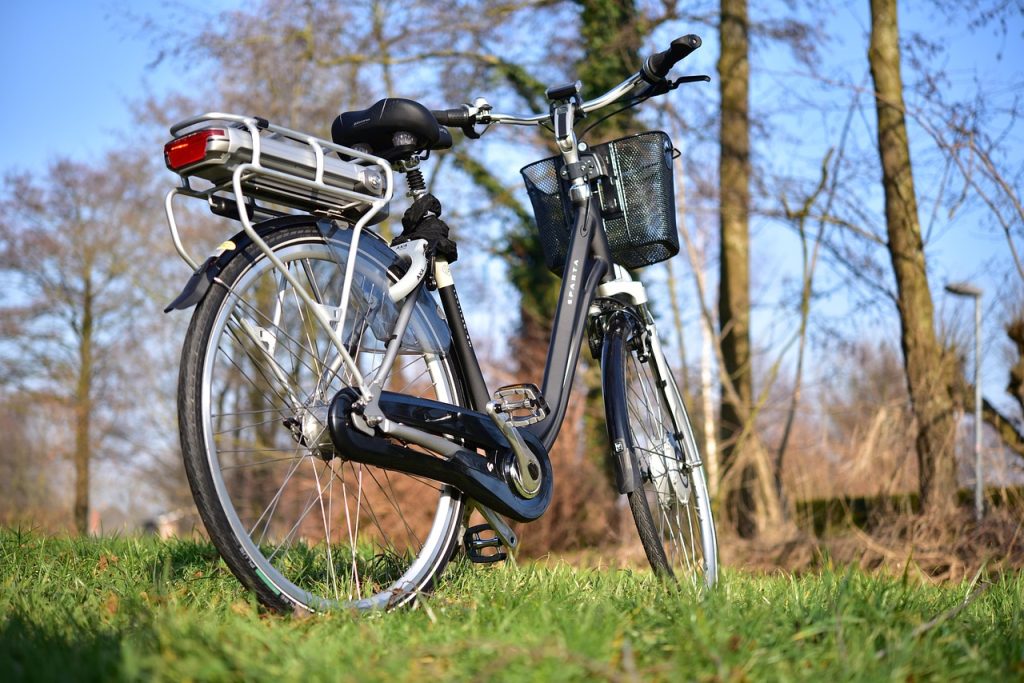
Commuter e-bikes in this budget range prioritize comfort, reliability, and cargo utility. Design choices favor upright ergonomics, step-through or accessible frames, integrated racks, and puncture-resistant tires. You’ll see practical displays that show battery and mode selection rather than performance-oriented telemetry.
Comfort, seat position, and ergonomics for daily rides
Comfort is key: saddle quality, upright seat position, and handlebar reach minimize fatigue on stop-and-go rides. Many commuter models use swept-back bars and plush seats so you can ride in normal clothes. You’ll want to check saddle ergonomics and adjustability to match your height and preferred posture.
Cargo capacity, rack and fender options for commuting
Rack capacity and mounting points matter for daily errands. Budget commuter bikes usually support rear racks and often include mounting points for front baskets or cargo solutions. Full fenders and integrated lights are common and make commuting in variable weather much more practical.
Range and energy efficiency in stop-and-go urban use
Commuter e-bikes tend to be optimized for efficiency in stop-and-go scenarios, with pedal-assist tuned for smooth speed recovery and lower energy consumption. Real-world urban ranges of 20–40 miles are typical, depending on assist level and stop frequency. Efficient motors and conservative assist curves help you stretch each charge longer.
Pros and cons for typical commuter scenarios
Pros: comfort, practicality, lower running costs, and convenience for door-to-destination trips. Cons: lower top speeds compared to sportier models and less suitability for steep or demanding off-road terrain. If your commute is mostly pavement and you want minimal fuss, a commuter e-bike is likely the best fit.

Performance and Ride Experience
Acceleration and top-speed expectations in this price band
Expect lively acceleration from the better models, often reaching 20–28 mph in practical assist modes and similar top speeds under throttle. Entry-level units may feel sluggish in initial throttle response. Performance varies with motor wattage, controller tuning, and drivetrain gearing.
How torque and controller tuning affect hill climbing
Torque is the key for hills: higher torque and aggressive controller mapping give you the ability to maintain speed on steep grades. If a bike has a conservative controller or undersized motor, it will slow significantly on climbs. You’ll want to test hill starts and mid-grade climbs when choosing, especially if you carry cargo or heavier loads.
Ride quality: suspension, frame stiffness, and handling
Ride quality is a balance. Good forks and a well-designed frame reduce fatigue and improve handling. Excessive flex harms confidence in corners, while overly stiff frames transmit too much bump force. For commuting, comfort-leaning setups are preferable; for off-road, a stiffer, well-damped chassis will serve you better.
NVH: noise and vibration characteristics to expect
Noise and vibration (NVH) are moderate: electric motors are quiet but you’ll hear chain, drivetrain, and road noise. Budget models may have more buzz due to cheaper mounts or imprecise tolerances. Routine maintenance — chain tension, bearings, and tidy wiring — reduces most annoying NVH sources.
How weight influences maneuverability and transport
Weight matters. Heavier bikes feel more stable at speed but are harder to maneuver at slow speeds and more difficult to lift onto racks or up stairs. If you need to transport the bike or carry it into a building, look for lighter-weight models or removable batteries to make handling easier for you.
Battery, Range, and Charging
Common battery capacities and formats used under $2,300
In this price band, you’ll commonly see 400–700 Wh equivalent battery capacities in either integrated frame packs or removable pods. Cylindrical 18650/21700 cells are common; some manufacturers use modular multi-pack solutions to boost capacity affordably.
Real-world range estimates and variables that affect them
Expect 20–50 miles per charge depending on pack size, assist level, rider weight, terrain, and cadence. Stop-and-go city riding uses more energy for frequent accelerations, while steady cruising on flats is more efficient. Ambient temperature and tire pressure also influence range.
Typical charging times and fast-charging availability
Standard chargers typically take 4–8 hours to fully recharge. Some models offer optional faster chargers that can cut this significantly, but those aren’t always included. If you need quick top-ups during the day, consider a bike with a removable battery you can swap or a fast-charge option.
Battery longevity, cycle life, and replacement cost considerations
Battery longevity depends on cell quality and how you use the pack. Expect several hundred to over a thousand cycles before capacity degrades significantly. Replacement packs can be a meaningful portion of the bike’s cost, so choose reputable batteries and follow charging best practices to extend life.
Practical tips to maximize range and battery life
To maximize range and life: avoid full charges and deep discharges when possible, store batteries at moderate charge in cool dry places, use eco assist modes for daily rides, maintain proper tire pressure, and perform regular drivetrain maintenance to reduce rolling resistance.
Motor Types and Power
Hub motors versus mid-drive motors: trade-offs at budget prices
Hub motors are common at this price due to lower cost and simpler installation; they offer straightforward power and low maintenance but limited torque for technical climbs. Mid-drive motors provide better hill performance and more natural pedaling feel but are rarer in the under-$2,300 band and tend to be heavier on drivetrain wear.
Typical wattages and how they translate to real-world performance
Typical wattages range from 250 W nominal up to 1,000 W peak in budget performance models. Higher wattage gives stronger acceleration and higher sustained speeds, but remember that legally allowed output and continuous power ratings differ from peak numbers manufacturers sometimes advertise.
Controller quality, throttles, and pedal-assist sensor types
Controller quality affects responsiveness and heat handling. Torque-sensing PAS offers natural assist but is less common at low cost; cadence sensors are prevalent and provide simpler, less nuanced support. Throttles vary from twitchy to smooth — test them to find the feel you prefer.
Impact on maintenance needs and repairability
Hub motors are generally low-maintenance but can be harder to service if sealed. Mid-drive systems require more drivetrain care. Simpler electrical architectures and standardized components make repair easier and cheaper; proprietary or highly integrated systems may increase repair costs down the line.
How motor choice affects terrain suitability
If you ride lots of steep hills or technical trails, prioritize higher torque and consider mid-drive if available. For flat urban commutes, hub motors are efficient and more than adequate. Choose based on the terrain you ride most.
Conclusion
Final summary of the best budget e-bikes under $2,300 and who should pick each model
Overall, GT73 series bikes offer the best all-around value if you want a versatile ride that handles both commuting and light off-road use. Emoto-style commuters are your best bet for daily comfort, cargo needs, and efficiency. Surron-style bikes give you off-road thrills if you prioritize trail performance and are comfortable with the legal and maintenance trade-offs. For long-range needs, prioritize models with larger packs and efficient motors.
Top buying recommendations based on rider needs and budget
If you want a single recommendation: pick a GT73 series model if you need versatility. Choose an Emoto-style commuter if your priority is reliable, comfortable daily transport. Select a Surron-style off-road model if your main goal is trail riding and fun. Always test-ride where possible and check warranty/support before buying.
Reminder to use code ‘voltrixx’ for 10% off GT73 series where applicable
Don’t forget the code ‘voltrixx’ to get 10% off a GT73 series bike where the promotion is supported — that discount can make a higher-spec GT73 an outstanding value for your budget.
Encouragement to watch the full Video By Voltrixx for visual comparisons and test rides
To see all these points in action, watch the full Video By Voltrixx for visual comparisons, sound, handling footage, and detailed test rides that will help you make the right choice for your riding style and budget.
Use code ‘voltrixx’ for 10% off a gt73 series bike!