?Are there any special regulations for using electric bicycles for hunting?

Are There Any Special Regulations For Using Electric Bicycles For Hunting?
You may be wondering whether riding an electric bicycle (e-bike) while hunting changes the legal or ethical rules you need to follow. This article breaks down the complex mix of federal, state, and local rules, plus wildlife agency policies and safety considerations, so you can make informed choices before you head into the field.
What Is an Electric Bicycle and Why Classifications Matter
You should understand what counts as an e-bike because rules often hinge on the device’s technical specs, how it assists you, and where it can be used. E-bikes are typically sorted into classes based on top assisted speed and whether they have a throttle, and those classes determine trail access and whether the device is treated like a bicycle, a motorized vehicle, or something else.
E-bike Classes at a Glance
Knowing which class your e-bike fits into will help you predict which regulations are likely to apply. Different states follow federal guidance but can modify specifics, so classification affects whether you can take your e-bike on trails, roads, or into hunting areas.
| Class | Description | Typical Speed/Throttle Rules | Common Legal Implications |
|---|---|---|---|
| Class 1 | Pedal-assist only | Assistance up to 20 mph; no throttle | Often allowed where bicycles are permitted; favored for multi-use trails |
| Class 2 | Throttle or pedal-assist | Throttle-enabled up to 20 mph | May face more restrictions on non-motorized trails; treated as motorized in some places |
| Class 3 | Pedal-assist only, higher speed | Assistance up to 28 mph; no throttle | Frequently restricted from multi-use or singletrack; sometimes allowed on roads and bike lanes only |
Federal Lands and Agency Policies: What You Need to Know
You should check the specific federal land unit where you plan to hunt because each agency sets its own rules for motorized vehicles and mechanized transport. Agencies may treat e-bikes differently from traditional bicycles or motor vehicles depending on management goals, resource protection, and safety concerns.
National Park Service (NPS)
You need to be cautious because the NPS tends to be more restrictive about mechanized transport in backcountry and wildlife areas. Many national parks prohibit motorized and mechanized vehicles in certain zones, and e-bikes may be restricted where bicycles are not explicitly allowed.
Bureau of Land Management (BLM)
You can often find more permissive access on BLM lands, but rules vary by field office and by the designation of specific routes or areas. Some BLM units allow e-bikes wherever motorized vehicles are permitted, while others follow state definitions and restrictions.
U.S. Forest Service (USFS)
You should expect the USFS to apply local forest plans and travel management decisions that identify where motorized and mechanized use is permitted. Many national forests allow e-bikes on routes designated for motorized or bicycle use, but singletrack and non-motorized trails can be off-limits.
U.S. Fish and Wildlife Service (Wildlife Refuges)
You must check refuge-specific regulations because refuges often restrict access to protect habitat and species. Many refuges prohibit motorized vehicles in refuge units, and some treat e-bikes as motorized, while others do not allow them at all during sensitive seasons.
State and Provincial Hunting Regulations
You should recognize that state and provincial wildlife agencies set hunting rules that overlay onto land-access policies. Those agencies determine hunting seasons, methods, and equipment restrictions, and some include provisions about motorized assistance that can explicitly include or exclude e-bikes.
Variation Across Jurisdictions
You will find wide variation between states and provinces about whether e-bikes are permitted for hunting or considered “motorized” for hunting rules. Some states explicitly allow e-bikes where bicycles are permitted; others ban motorized conveyances for certain types of hunting or in specific units.
Common Regulatory Themes
You should look for language in hunting regulations addressing motorized assistance, game retrieval, use of vehicles for access to hunting areas, and restrictions on discharging firearms from a vehicle. Those themes are often where e-bikes intersect with hunting law.
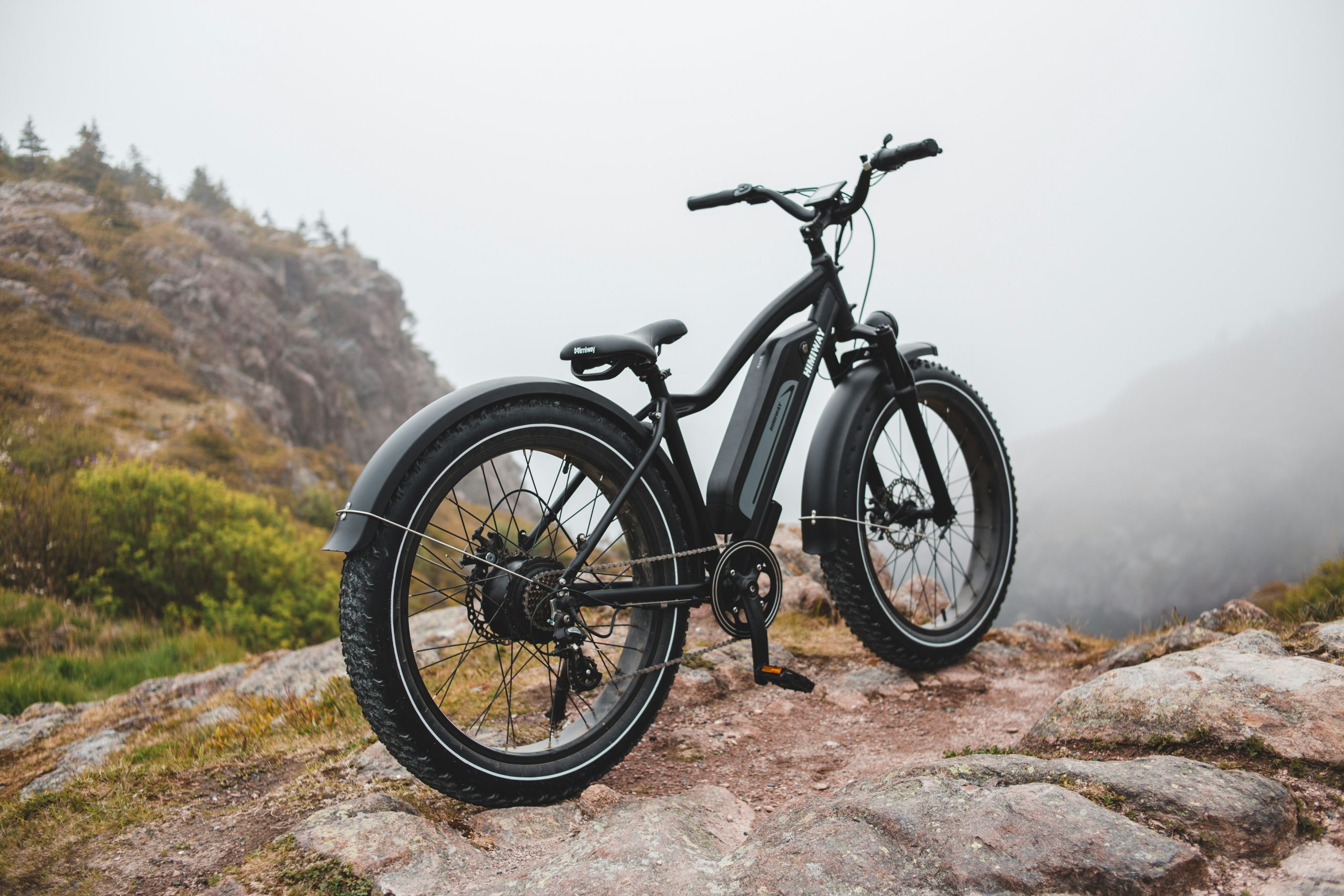

Trail, Road, and Off-Road Use Restrictions
You need to know where you may legally ride because trail designations and road laws usually dictate whether e-bikes are allowed. Off-road use, in particular, tends to be heavily restricted on both public and private lands.
Trails and Singletrack
You should assume singletrack and trails designated “non-motorized” are often closed to e-bikes, especially Class 2 and 3 models. Management plans aim to balance recreation types and protect resources, so e-bikes may be allowed only on multi-use or motorized-designated routes.
Roads, Forest Service Roads, and Fire Roads
You will often be allowed to use e-bikes on roads and designated service roads where motor vehicles are permitted, but you must confirm local rules because some jurisdictions restrict speeds or vehicle types. These roads can provide legal access to hunting areas while avoiding damage to fragile trails.
Hunting Methods, Fair Chase, and Motorized Assistance Rules
You must follow fair-chase principles and statutory fair-chase rules that prohibit using certain motorized devices to give hunters an unfair advantage. Wildlife agencies often have explicit bans on using motorized conveyances to locate, pursue, or harvest game, and e-bikes can fall into that category depending on the wording.
Locating and Pursuing Game
You should not use an e-bike in a way that amounts to motorized pursuit — for example, circling or chasing animals at speed. Policies against motorized pursuit are enforced to maintain ethical hunting and protect wildlife from excessive stress.
Using E-bikes for Access vs. Harvest
You may be allowed to ride to a hunting location, but rules sometimes prohibit making the actual take while on a motorized conveyance. Some agencies require hunters to dismount before firing or prohibit shooting from any vehicle, and that can include e-bikes.
Firearm, Archery, and Weapon Discharge Regulations
You need to be aware that most jurisdictions regulate discharge of weapons from vehicles and in proximity to roads, structures, and trails. Those restrictions typically apply to e-bikes if they are considered vehicles or if you remain mounted while shooting.
Discharging from a Vehicle or Mechanized Device
You must check local laws because many states expressly prohibit shooting from any motorized vehicle, which can include e-bikes if classified as motorized. Some rules extend to shooting while mounted on any bicycle or mechanized device, so dismounting may be required.
Transporting Firearms on an E-bike
You should store firearms safely and comply with open-carry and transport laws specific to your state. Use scabbards, actions open, safeties engaged, and secure placement so you don’t create a public safety risk while riding.
Game Retrieval, Transport, and Field Dressing
You must consider how you plan to retrieve and transport harvested game because legal limits sometimes restrict use of motorized devices for retrieval, or require reporting and tagging before transport. E-bikes can be helpful for retrieval, but laws and ethical considerations should guide how far and fast you use them for that purpose.
Dragging Game and Transport Limits
You should confirm whether dragging game with motorized assistance is allowed; some regulations permit retrieval with vehicles on designated routes but prohibit dragging through habitat off-route. Practical limits on weight and cargo stability also matter, as overloaded e-bikes can be unsafe.
Tagging, Checking, and Transporting Across Boundaries
You must ensure you tag and check game according to your agency’s rules before removing it from the kill site. If you cross jurisdictional boundaries (e.g., from a federal road to private land or from one state to another), you must comply with the relevant tagging and transport requirements.

Private Land, Landowner Permission, and Trespass Issues
You need written permission from private landowners if you plan to hunt on private lands, and that permission should clarify whether e-bikes are allowed. Landowners often set their own restrictions about vehicles, horses, dogs, and modes of access, and trespass can result in criminal charges separate from hunting violations.
Asking for Permission and Understanding Lease Terms
You should get clear, preferably written, permission that states whether motorized or mechanized transport like e-bikes is allowed and any conditions (e.g., stay on roads, no trails). Leasing arrangements and hunting agreements can include clauses about allowable equipment and liability that directly affect your ability to use an e-bike.
Easements, Right-of-Way, and Shared Roads
You must follow posted rules when crossing easements and public rights-of-way; these corridors may have their own regulations and safety requirements. Even when public access exists, you still need to honor private land boundaries and posted closures.
Disability Accommodations and Mobility Devices
You should know that many agencies provide accommodations or exceptions for hunters with disabilities, which can include the use of motorized or electric assist devices. If you qualify, you may be able to obtain permits or certifications that allow otherwise restricted motorized use.
Accessible Hunting Programs and Permits
You should contact the wildlife agency or land manager to learn about special permits, accessible hunting programs, and the documentation required. Those programs balance access with conservation concerns and may include conditions on where and how you may use the device.
Medical Documentation and Conditional Use
You may be required to present medical documentation or a physician’s note to qualify for a mobility accommodation. Agencies often issue special permits with limitations, such as designated areas, times, or supervision requirements.
Helmets, Age Limits, and Safety Regulations
You must follow applicable helmet laws and age restrictions for e-bike use, especially on public roads or managed trails. These rules protect you and others and can vary significantly by jurisdiction.
Helmet Laws and Personal Protective Equipment
You should wear a helmet if required by law in your area or by the land manager to reduce injury risk. Even if not legally required, wearing a helmet, eye protection, and gloves is highly recommended for hunting terrain.
Minimum Age and Supervision Requirements
You should verify minimum age limits for operating motorized or mechanized devices, as some places restrict minors from using e-bikes or require adult supervision. These regulations help ensure safe operation and responsible handling of firearms in the field.
Registration, Licensing, and Insurance Considerations
You need to determine whether your e-bike requires registration, license plates, or special permits in your state, and whether your hunting license has any condition related to motorized access. Insurance for your e-bike or liability coverage may be advisable if you hunt on leased or public lands where accidents could cause damage.
E-bike Registration and Vehicle Classification
You should check whether your e-bike is classified as a bicycle, moped, or motor vehicle in your state because classification drives registration and helmet requirements. Some states require registration for high-speed e-bikes (Class 3) or for e-bikes with certain power outputs.
Hunting Licenses, Tags, and Certifications
You must carry required hunting licenses, tags, and any special permits while hunting on public or private land. Many agencies also require hunter education for certain age groups and for specific weapons such as rifles or bows.
Environmental Concerns and Battery Handling
You should be sensitive to environmental impacts such as soil erosion, disturbance to wildlife, and battery disposal risks. Lithium batteries have fire and disposal hazards, so proper charging, transport, and storage are essential for safety and resource protection.
Minimizing Trail and Habitat Damage
You should avoid creating new paths, riding wet trails prone to erosion, and crossing sensitive habitats, especially during breeding or wintering seasons. Responsible behavior preserves access for other hunters and recreational users.
Battery Safety and Transport
You must transport batteries in a safe manner, ideally in a hard case or removed from the e-bike when leaving the field. Be mindful of extreme temperatures, potential puncture risk during hauling, and local regulations on battery disposal.
Enforcement, Penalties, and Common Violations
You should understand that violations range from fines to loss of hunting privileges, and in serious cases can lead to criminal charges. Enforcement is handled by wildlife officers, land managers, and sometimes local law enforcement, who will interpret whether an e-bike constitutes a motorized device or a bicycle under the law.
Typical Penalties and How They Are Applied
You may face penalties for illegal use of motorized devices in closed areas, shooting from a vehicle, trespass, failure to tag or check game, and using prohibited equipment. Repeat or egregious violations can result in suspension of hunting privileges, hefty fines, and possible seizure of equipment.
How Enforcement Officers Decide
You should cooperate with enforcement officers and present documentation when requested because officers will evaluate the specific facts: e-bike class, location, behavior, and applicable statute language. Officers also consider evidence of intent, such as whether the e-bike was used to chase or retrieve game in prohibited ways.
Practical Safety and Ethical Considerations When Hunting with an E-bike
You should keep safety and fair chase ethics at the forefront by using your e-bike responsibly, keeping speeds appropriate, and avoiding disturbance of non-target wildlife. Ethical hunting includes leaving no trace, not abusing motorized advantages, and following both the letter and spirit of laws.
Avoiding Unfair Advantage and Stressing Wildlife
You should not use your e-bike to rapidly close distance on animals or to harass wildlife. Err on the side of conservative use, and dismount and approach quietly when game is nearby to ensure a humane shot and reduce stress on animals.
Equipment Load, Balance, and Handling
You must secure game and gear properly to maintain bike balance; overloaded bikes increase the risk of crashes and injuries. Think through rigging for meat transport, using panniers, cargo racks, or trailers designed for load stability.
Best Practices Checklist Before You Hunt With an E-bike
You should run through a pre-hunt checklist so you don’t inadvertently break laws or put yourself at risk. This checklist helps you confirm permits, routes, and equipment safety.
- Verify whether e-bikes are permitted on the land you’ll be using.
- Know your e-bike’s class and how it’s defined locally.
- Carry all hunting licenses, tags, and any special permits.
- Confirm motorized-vehicle, trail, and discharge rules for the area.
- Secure firearms safely and comply with transport laws.
- Prepare a safe plan for meat retrieval and transport.
- Use appropriate safety gear: helmet, lights, and reflective clothing if needed.
- Check battery charge and bring spare battery or charging plan.
- Inform someone of your route and expected return time.
- Carry basic repair tools and emergency supplies.
Comparative Table: How E-bike Use Is Treated by Common Land Managers
You should consult this quick reference for common tendencies across different land managers to get a sense of where e-bikes may or may not be permitted. Always verify with the specific local office because each unit can make unique decisions.
| Land Manager | Typical Approach to E-bikes | Likely Hunting Implications |
|---|---|---|
| National Park Service | Restrictive; many areas limit mechanized transport | Hunting often limited or prohibited; e-bikes may be banned in many units |
| Bureau of Land Management | Varied; more permissive on designated routes | Hunting possible where motorized travel allowed; check route designations |
| U.S. Forest Service | Local travel plans determine access; variable | Often allowed on roads and some trails; singletrack may be closed |
| U.S. Fish & Wildlife Service (Refuges) | Protective; many refuges limit motorized access | Hunting only in designated areas; e-bikes often restricted |
| State Wildlife Areas | Defined by state rules; many follow state e-bike laws | Hunting rules vary; many areas allow e-bikes where bicycles are permitted |
Real-World Examples and How Policies Differ
You should get a sense of how diverse policies can be by looking at a few real-world examples, remembering that each state or land unit may change rules over time. These examples show common approaches but are not substitutes for checking current local regulations.
Example: State with Bicycle-Based Approach
In some states, e-bikes are treated the same as traditional bicycles for access to trails and wildlife areas. Hunters can legally use Class 1 e-bikes on trails where bikes are allowed, provided they follow fair-chase rules and discharge restrictions.
Example: State Treating E-bikes as Motorized Vehicles
Other states classify certain e-bikes (particularly those with throttles or higher speeds) as motorized vehicles, restricting them to roads and motorized routes. In these areas, using an e-bike off road to retrieve game or to access a blind may be prohibited.
Example: Federal Unit with Strict Motorized Restrictions
You may find national parks and certain wildlife refuges that prohibit mechanized transport in backcountry and sensitive habitats. In those places, e-bikes are often not allowed for hunting even if bicycles would be acceptable in other locations.
How to Confirm Local Rules Before You Ride Out
You should always confirm rules before each hunt because policies change and local seasonal restrictions may apply. A few steps will help you avoid surprises and legal issues.
Steps to Confirm Regulations
You should call or check the website of the land manager and the state wildlife agency before your trip. Look up travel management maps, review hunting regulations for the season, and, if available, ask enforcement officers or rangers about e-bike allowances.
Written Permissions and Permits
You should keep any written permissions, special permits, or printed regulations with you while hunting. Having documents on hand reduces confusion with enforcement officers and protects you if disputes arise.
Preparing Your E-bike and Gear for Hunting
You should outfit your e-bike for hunting to maximize safety, stability, and legal compliance. Proper gear includes secure firearm storage, cargo systems, lighting, and noise-reduction measures.
Rack, Trailer, and Cargo Options
You should choose racks, panniers, or trailers designed for heavy loads and off-road use to safely transport game and gear. An appropriately engineered trailer can carry heavier loads and reduce risk to you and the e-bike.
Noise, Camouflage, and Approach
You should minimize noise so you don’t spook game, and consider quieting components such as chain and drivetrain. Keep reflective materials off your hunting clothing to preserve stealth during daylight hunts, and use high-visibility gear for legal or safety reasons when traveling on multi-use roads.
Frequently Asked Questions (Short Answers You Should Know)
You should be able to answer common practical questions quickly, but always verify with local authorities before acting.
- Can I shoot from an e-bike? Usually not; many jurisdictions ban shooting from any vehicle or mechanized device.
- Are e-bikes allowed on all trails? No; many trails are restricted to non-motorized use.
- Do I need a special permit to use an e-bike to retrieve game? Sometimes — check local rules and seasonal restrictions.
- Will disabilities allow me more leeway? Often yes, but you typically need documentation and a permit.
Summary and Key Takeaways
You should treat e-bike hunting as an activity governed by overlapping sets of rules: e-bike classification, land manager policies, and hunting regulations. The responsible approach is to confirm your e-bike class, check land and hunting rules for your exact location, carry the necessary licenses and permits, follow safety and fair-chase principles, and use gear that minimizes environmental impact.
You can enjoy efficient, accessible hunting with an e-bike if you plan carefully, respect legal and ethical constraints, and stay current with the rules that apply to the lands where you hunt.
