
?Are you thinking about converting your geared bicycle with V-brake rear wheel using the Common Bike Left Chain Drive Customized for Geared Bicycle Derailleur?

What this product is and who it’s for
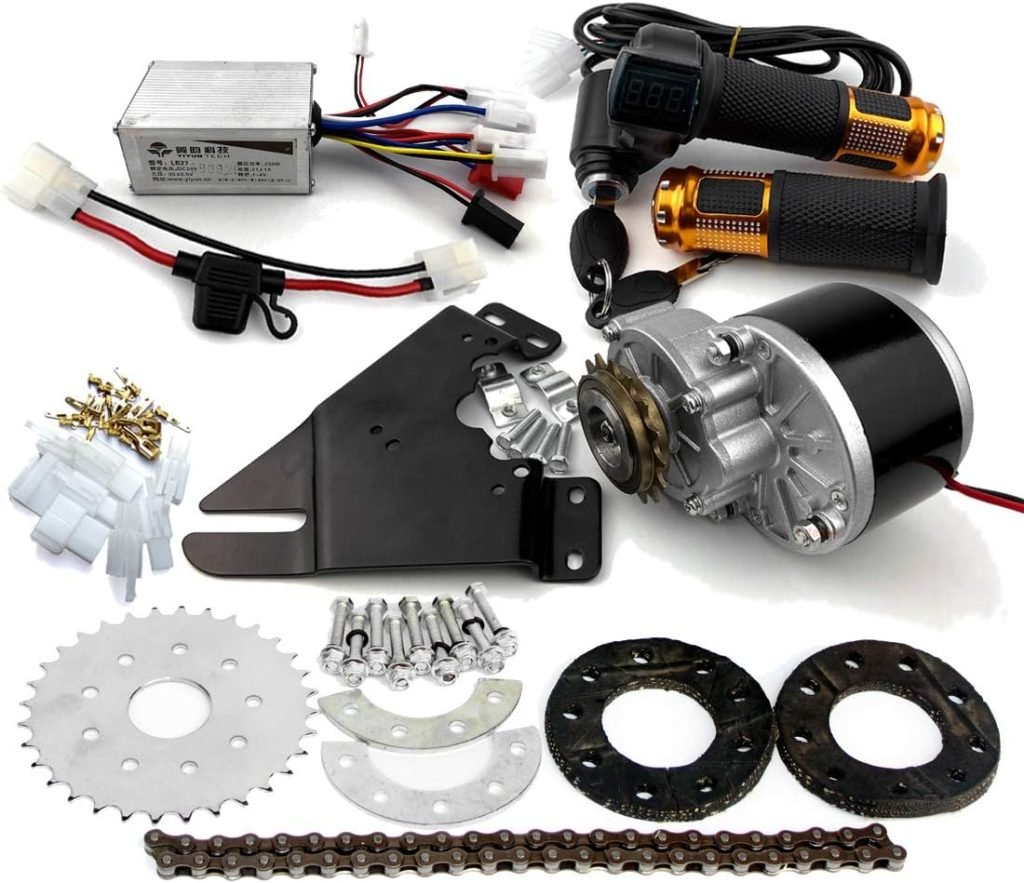
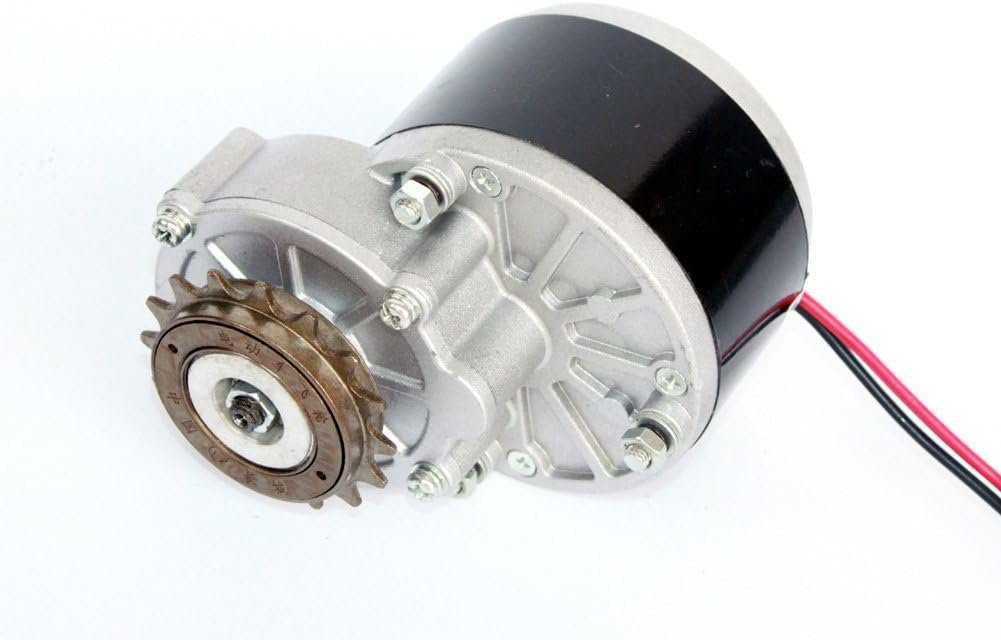
This kit replaces or supplements your bicycle drivetrain with a left-side chain drive motor designed for bikes that use a rear V-brake and a geared derailleur. You should consider this kit if you want pedal-assist or motorized help for commuting, errands, or casual rides without changing your bike’s hub or wheel type.
This paragraph sums up the core idea: the product is a conversion kit that mounts a motor on the left chainstay and drives the chain, intended for bikes with V-brakes and derailleurs rather than disc brake or coaster-brake systems.
Key compatibility points you must know
You must have a bicycle with a rear V-brake and a derailleur. If your bike uses disc brakes or a coaster brake, this kit is not compatible and you should choose another kit.
The motor bracket may not fit every frame. You should be prepared to modify the bracket or ask the seller for suggestions if you aren’t sure about fitment. If you’re unsure, send a clear picture of your bike to the seller for the correct recommendation.

Common Bike Left Chain Drive Customized for Geared Bicycle Derailleur
What’s included and what you need to buy separately
You get the motorized kit components but you will need to provide a battery and possibly some modification skills for bracket fitment.
Under this heading you’ll find a detailed breakdown so you can immediately see what comes in the box, what’s optional, and what additional parts you should budget for.
| Item / Category | Included in kit | You need to provide | Notes |
|---|---|---|---|
| Motor & left chain drive assembly | Yes | — | Designed for bikes with derailleurs and V-brakes |
| Motor bracket | Yes | May require modification | Confirm fit to your frame before purchase |
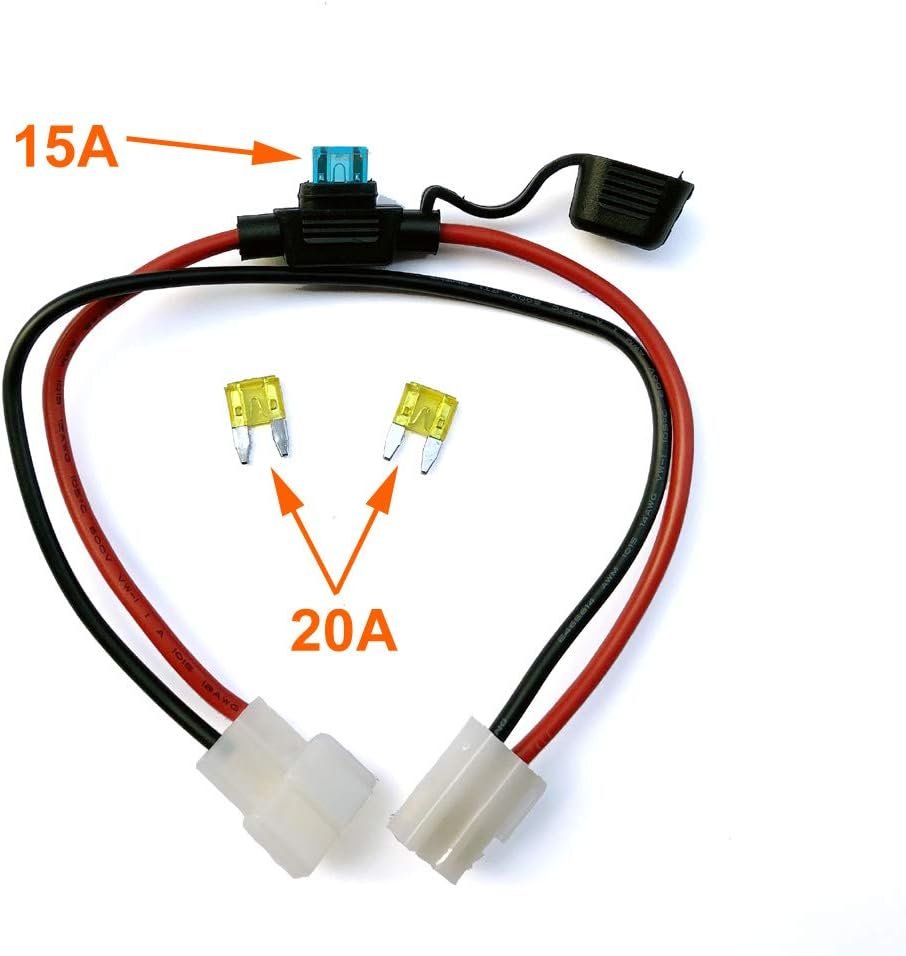
| Controller | Yes | — | Comes with one fuse wire and three spare fuses |
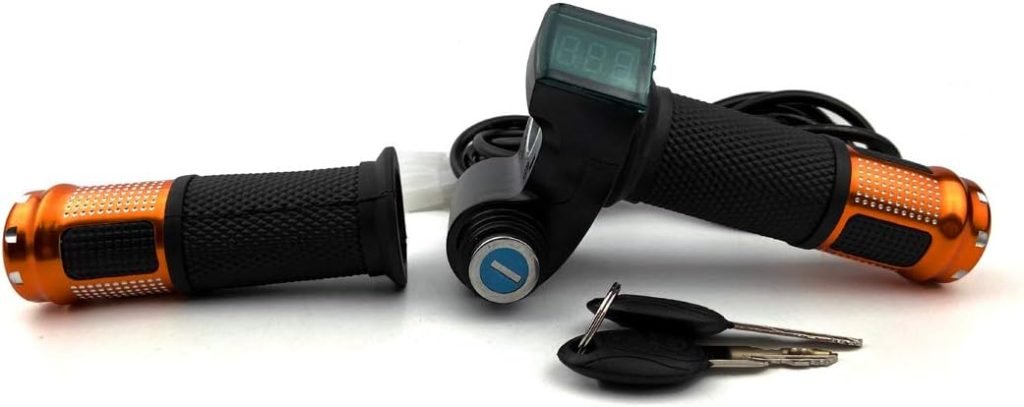
| Throttle | Yes (pick type) | — | Choose between twist (“key throttle”) or thumb type |
| Battery | No | Yes | Lead acid or lithium acceptable; recommended 24V 15Ah or 36V 12Ah |
| Installation hardware | Yes | Basic tools | Some modifications may require fabrication tools |
| Installation video | Link provided | — | https://youtu.be/6nIsvJon57E |

Voltage options and what they mean for you
You’ll choose between 24V and 36V kits. The main difference is operating current and ride duration.
A 36V kit typically lets you ride longer and handle higher sustained loads with less current draw than a 24V setup. If you plan longer rides, heavier load, or hillier terrain, 36V is generally the better choice. If you want simpler, lower-cost components and shorter trips, 24V may be acceptable.
Recommended battery capacities
You need to buy the battery separately and you can use either lead acid or lithium battery chemistry. Suggested capacities are 24V 15Ah for the 24V kit and 36V 12Ah for the 36V kit.
These recommendations balance weight, range, and cost. A 36V 12Ah lithium pack will usually be lighter and give similar or better range than a 24V 15Ah lead-acid pack, but it costs more.
Performance expectations: speed, range, and riding style
The kit is intended to assist your pedaling rather than replace it. Expect modest top speeds and better ride time if you pedal along with the motor.
On a 26-inch bike you can expect around 20 km/h (about 12–13 mph) under typical conditions. Range depends on battery capacity, riding conditions, how much you pedal, and the voltage you choose. Pedaling with motor assistance will extend your range and reduce battery strain.
Real-world range estimates
Range varies widely, but here are ballpark figures to help you plan:
- 24V with 15Ah lead-acid: shorter range, heavier battery, moderate cost.
- 36V with 12Ah lithium: longer range, lighter weight, higher cost. You should expect 20–40 km per charge depending on terrain and pedaling effort; heavier riders, hills, and frequent stops reduce range.
Installation basics and the video guide
There is an installation video available at https://youtu.be/6nIsvJon57E. You should watch it before beginning to get a visual sense of bracket mounting, chain alignment, wiring, and throttle hookup.
The bracket may need modification to fit your specific frame geometry. If you do not have the tools or skills for metalwork, find a local bike mechanic or friend with fabrication experience, and send pictures to the seller for advice before purchase.
Bracket fitting and modification tips
You must confirm that the bracket matches your frame. If the bracket doesn’t align properly or prevent chainline problems, you’ll need to bend, drill, or extend mount points.
When you modify the bracket, work carefully: ensure structural integrity and avoid creating stress risers. Use clamps and test-fit frequently. If you aren’t confident, seek professional help.
Throttle selection and control features
This kit offers two throttle types: twist (listed as “key throttle”) and thumb throttle. Choose based on your riding preference and control comfort.
- Twist (key throttle): feels like a motorcycle twist grip; can be more intuitive for riders used to throttle control.
- Thumb throttle: uses your thumb to modulate power and keeps your hand position more traditional for cycling.
Controller and fuse protection
The controller comes with one fuse wire and three spare fuses. If a fuse blows, note the cause and prevent recurrence. You should inspect wiring and components if fuses burn to identify shorts or overloads.
If you blow a fuse repeatedly, contact the seller or a qualified technician before continuing to avoid damaging the controller or motor.
Compatibility checklist for your bike
Before buying, run through this quick checklist so you don’t end up with incompatible parts or surprise modification work:
- Does your bike use rear V-brakes? If no, this kit is not compatible.
- Does your bike have a rear derailleur (geared)? If no, this kit won’t work as intended.
- Is there space on the left chainstay and frame to mount a bracket? If the bracket won’t fit, are you willing to modify it?
- Do you have the budget for an external battery if you don’t already have one?
- Are you comfortable doing some mechanical and electrical work, or can you pay a mechanic?
If you answer yes to these, then this kit is a plausible match.
Step-by-step installation overview
You should follow a logical, careful sequence for install: test-fit components, check the chainline, secure the bracket, wire the controller, and test ride.
- Inspect and test-fit the motor bracket on your left chainstay.
- Align the chain drive sprocket with your chain and derailleur; adjust chainline as needed.
- Secure the motor and bracket, ensuring tight fasteners and no interference with brakes or spokes.
- Mount the controller and route wires safely along the frame with zip ties.
- Install the throttle on your preferred handlebar side and connect to controller.
- Connect the battery using correct voltage and fuse; test electrical connections.
- Start with low speed and test in a safe area; check for rubbing, unusual noises, and correct shifting.
Safety checks before first ride
You must double-check brake performance, cable routing, and that no fasteners touched moving parts. Confirm the battery is secure and the throttle returns to idle when you release it.
If you notice any abnormal vibration, loose parts, or an unexpected electrical smell, stop and diagnose before riding.
Troubleshooting common issues
You will likely encounter a few small problems during install or early use; here are the most common and how to address them.
- Bracket doesn’t fit: Modify the bracket carefully or consult the seller with photos.
- Fuse blowing: Check wiring for short-circuits, check for grounding contact or reversed polarity, and inspect throttle wiring for faults.
- Noisy chain drive or misaligned chain: Re-check chainline and sprocket spacing; adjust motor mount position.
- Motor not powering: Verify battery voltage, connections to the controller, and inspect the fuse wire. Use the spare fuses included if one is blown, but find the root cause.
When to contact the seller
You should contact the seller if the bracket clearly can’t be adapted, if electrical parts are faulty out of the box, or if you blow multiple fuses and can’t find the cause. Send clear pictures and a description — the seller asked to review bike photos to recommend kits and modifications.
Maintenance and care
You must perform regular maintenance to keep the kit functioning reliably. Treat the motor and controller as you would other electrical/mechanical components on your bike.
- Check and tighten fasteners monthly until you’re sure everything is stable.
- Keep the chain well-lubed and correctly tensioned to reduce wear.
- Inspect wiring and connectors periodically for wear, corrosion, or chafing.
- Store batteries in a cool, dry place and follow battery manufacturer care instructions.
Seasonal care and long-term storage
If you store the bike for months, disconnect the battery and store it at recommended state-of-charge (often around 40–60% for lithium). For lead-acid batteries, follow storage tips to avoid sulfation and capacity loss.
Riding techniques to extend range and life
You will get the most useful results if you use the motor as an assist rather than a throttle-only propulsion. Pedal with the motor, shift appropriately, and avoid lugging the motor in too-low gears.
- Use higher gears for cruising to reduce motor current draw.
- Shift before climbs; avoid shifting under heavy load.
- Combine pedaling with motor power to extend battery life and range.
Handling hills and starts
You should get better hill performance from the 36V kit. Start from a stop using a lower gear and pedal to help the motor; this reduces the stall current and risk of blowing fuses or overload.
Safety and legal considerations
You must check local regulations about electric bicycles in your area. Speed and power limits vary by jurisdiction; some regions restrict throttle use or classify electric bikes differently.
Wear a helmet, use lights when riding in low visibility, and ensure brakes are fully functional after installation. Consider insurance and theft prevention: motors and batteries can be attractive to thieves.
Pros and cons — what you’ll like and what to watch for
Here’s a balanced look so you can decide whether this kit meets your needs.
Pros:
- Affordable way to add motor assist to many geared bicycles with V-brakes.
- Throttle choice (twist or thumb) fits different rider preferences.
- Spare fuses and a fuse wire help with small electrical issues.
- Battery flexibility: compatible with lead acid or lithium.
Cons:
- Not compatible with disc-brake or coaster-brake bikes.
- Bracket fitment may require modification for many frames.
- Modest top speed (~20 km/h on a 26-inch wheel) — this is assist-level performance.
- Battery not included, requiring additional purchase and consideration.
How to choose the right kit variant for your needs
Choose 36V if you want longer ride time, better hill performance, or plan heavier loads. Choose the throttle type based on your comfort: key/twist for a motorcycle-like feel or thumb for minimal hand movement.
If you want longer life and reduced weight, invest in a good lithium battery. If initial cost is a bigger concern and you tolerate extra weight, a lead-acid battery can work.
Questions to ask before buying
You should ask:
- Can you confirm compatibility with my frame? Send a photo.
- Does the seller provide any installation support for bracket modification?
- What is the expected current draw at typical load (to help battery and fuse selection)?
- How does the warranty or returns process work if components arrive damaged?
Cost considerations and value
You’ll pay for the kit plus a battery if you don’t already have one. Consider the total cost of conversion, potential bracket modification services, and battery selection to judge value.
The kit is attractive if you want to avoid changing wheels or hubs and prefer a bolt-on left-side motor. If you want high speed or powerful acceleration, you should look at higher-powered hub-motor kits instead.
Common user scenarios and recommendations
Here are some example use-cases to help you decide if this kit matches your needs.
- City commuter on flat to rolling terrain: 36V + 12Ah lithium gives reliable assistance and longer range. Pair with good tires and lights.
- Short errands and occasional assisted rides: 24V + 15Ah lead-acid may be cost-effective but heavier.
- Hilly routes or heavier riders: Prefer 36V and consider a higher capacity lithium battery if you often ride steep hills.
Practical tips per scenario
You should always secure battery mounts and keep weight distribution stable; put heavier packs lower or toward the frame center to preserve handling.
If your rides include steep hills, practice gear selection and cadence to support the motor and avoid repeated high-current draws that blow fuses.
Final verdict and buying checklist
This kit can be a good value if you have a compatible bike and are willing to do some installation work or get professional help. It’s well-suited to riders seeking moderate motor assistance without switching wheelsets.
Before you buy, confirm compatibility, choose the right voltage (36V recommended for longer rides), choose your throttle type, and plan for a battery purchase. Send frame photos to the seller if you’re unsure about bracket fitment.
Quick buying checklist
- Confirm you have rear V-brake and derailleur.
- Decide 24V or 36V (36V recommended for better range).
- Select throttle type: twist (“key”) or thumb.
- Budget for battery (24V 15Ah or 36V 12Ah recommended).
- Watch the installation video and prepare for possible bracket modification.
FAQs you might have
You’ll likely have a few questions — here are the common ones answered concisely.
Q: Can this kit work with disc brakes? A: No. This kit is not compatible with disc-brake or coaster-brake bikes.
Q: Is the battery included? A: No. You must provide a battery; the seller recommends 24V 15Ah or 36V 12Ah.
Q: What if the motor bracket doesn’t fit my frame? A: You’ll need to modify the bracket or ask the seller for suggestions. Send photos of your bike for advice.
Q: How fast will it go? A: Around 20 km/h on a 26-inch bike under typical conditions if you use the motor primarily as an assist.
Q: Can I replace the fuse myself? A: Yes. The controller includes 1 fuse wire and 3 spare fuses. If a fuse burns, identify and fix the cause before replacing.
Next steps for you
If you’re ready to buy, confirm frame compatibility with the seller, choose the voltage and throttle type, and plan for a battery purchase. Watch the installation video before components arrive so you’re prepared for any modification work.
If you want help evaluating whether the bracket will fit your frame, send clear photos of your bike’s left chainstay and rear brake area to the seller or a mechanic for a recommendation.

Disclosure: As an Amazon Associate, I earn from qualifying purchases.