Have you ever wondered what makes an electric hunting bicycle different from a regular e-bike and how it actually works when you’re out in the field?

How Does An Electric Hunting Bicycle Work?
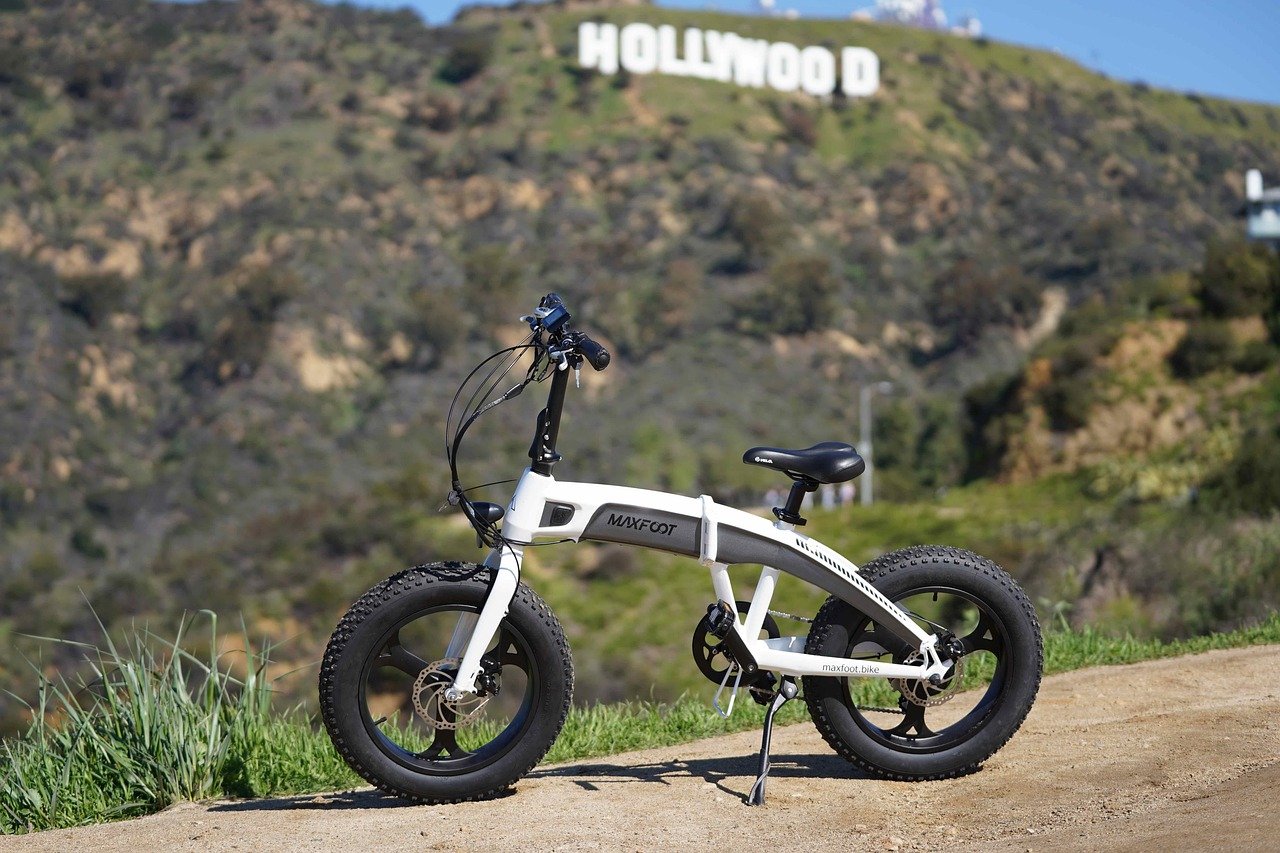
An electric hunting bicycle is a purpose-built e-bike optimized for hunting tasks—quiet, rugged, and capable of carrying gear and navigating off-road terrain. You’ll find that the fundamental technology mirrors regular electric bicycles, but the components, configurations, and accessories are tailored to hunting needs like stealth, load capacity, and range.
Basic Principle: What Powers an Electric Hunting Bicycle?
At its core, an electric hunting bicycle combines human pedaling and an electric motor to propel the bike. You still pedal like a conventional bicycle, but the motor and battery provide assistive power to make climbs easier, carry heavy gear, and extend travel distances without exhausting yourself. This hybrid approach gives you flexibility: you can conserve battery power using pedal-assist or rely more on throttle when you need an extra push.
Main Components and How They Work
You’ll want to understand each component because they determine performance, reliability, and maintainability in hunting conditions. The key parts are the motor, battery, controller, sensors, drivetrain, frame, suspension, tires, brakes, and accessory mounts.
Motor
The motor provides the electric propulsion. Motors come in two main placements: hub motors (in the wheel) and mid-drive motors (near the crank). Hub motors are simpler and quieter at low torque, while mid-drive motors give better hill-climbing and leverage through the bike’s gears.
Battery
The battery stores electrical energy that powers the motor and electronics. Battery capacity is measured in watt-hours (Wh), and greater capacity usually means longer range. You’ll want a robust, weatherproof battery with sufficient capacity for long outings and cold-temperature performance if you hunt in winter.
Controller
The controller is the brain that manages power delivery between the battery, motor, and user controls. It interprets throttle input, pedal-assist signals, and sometimes torque sensor feedback to regulate motor output smoothly. Good controllers optimize efficiency and responsiveness.
Pedal-Assist System and Throttle
Pedal-assist systems use sensors to add motor power when you pedal. There are cadence sensors and torque sensors; cadence sensors activate at a set cadence while torque sensors measure how hard you’re pedaling for more natural support. Throttles (thumb or twist) allow you to get motor power without pedaling, useful for short bursts of speed or when carrying heavy loads.
Drivetrain
The drivetrain (chain, chainring, cassette, derailleurs, belt drives) transfers your pedaling power and helps the motor work efficiently. Mid-drive motors benefit from a robust, well-maintained drivetrain because the motor’s output passes through the gears.
Frame and Suspension
Frames for hunting bikes are heavy-duty and designed to carry cargo and mounted gear. Full-suspension or suspension-fork setups absorb trail impacts and reduce vibration to keep you comfortable and reduce noise that could spook game.
Tires and Wheels
Tire choice impacts traction, puncture resistance, and noise. Wider, aggressive-tread tires give you grip over mud and roots, while tubeless setups allow lower pressures for improved traction. Durable rims and spokes resist damage from rough terrain.
Brakes
Hydraulic disc brakes are common on hunting e-bikes for reliable stopping power under load and in wet conditions. Good brakes protect you and your game when you’re descending steep trails.
Accessory Mounts and Racks
You’ll find custom racks, cargo platforms, gun and bow mounts, and quiet locking systems. Mounting points are reinforced to secure heavy hunting packs, coolers, or retrieval gear.

How the System Works Together: Step-by-Step
Understanding the sequence of operations will help you operate and troubleshoot the bike in the field.
- Power On: You turn on the battery and the display/controller, which initializes the system. The controller checks battery voltage and motor status and displays range estimates and assist levels.
- Select Assist Level: You choose a pedal-assist level or use the throttle. Lower levels conserve battery while giving light help; higher levels give more motor torque for steep climbs or heavy loads.
- Pedal or Throttle: If you pedal, sensors detect cadence or torque and tell the controller to provide proportional motor power. If you use the throttle, the controller sends power directly to the motor within set limits.
- Motor Propels: The motor applies torque to the wheel (hub motor) or to the crank (mid-drive), working with the drivetrain to translate power to forward motion. The controller continuously adjusts output to keep speed or power in line with your input.
- Regenerative Braking (Optional): Some systems offer regeneration that recovers a little energy during braking or downhills, but it’s limited on most hunting e-bikes and often disabled to preserve quietness.
- Monitor and Manage: The display shows battery status, speed, and assist mode. You manage energy by changing assist levels, pedaling more, or using throttle sparingly.
Mid-Drive vs Hub-Drive: Which Is Better for Hunting?
You’ll encounter two main motor types. Each has pros and cons for hunting use and terrain.
| Feature | Mid-Drive Motor | Hub Motor |
|---|---|---|
| Power delivery | Uses bike gears; excellent for steep climbs | Direct drive to wheel; simpler torque delivery |
| Efficiency on varied terrain | Better, because motor stays in optimal rpm | Less efficient on steep climbs |
| Maintenance | More drivetrain wear, but serviceable | Simpler maintenance, fewer drivetrain stresses |
| Noise | Can be quiet but may involve chain noise | Can be quieter in some models; gear-less hub is silent |
| Payload and towing | Excellent due to gearing leverage | Good but may struggle on long climbs under load |
| Repairability in the field | More mechanical complexity; tools needed | Easier to swap wheel if necessary |
You’ll likely prefer mid-drive if you expect steep climbs, heavy loads, or long missions where mechanical advantage is helpful. Hub motors are attractive for simpler setups and lower cost.
Power, Range, and Battery Considerations
You should plan battery capacity and energy use based on mission length, weight, terrain, and temperature.
Battery Capacity and Range Estimates
Battery capacity is measured in watt-hours (Wh). Typical hunting e-bikes range from 400 Wh to 1000+ Wh. Rough estimates of range depend on assist level and terrain, but here’s a simplified table:
| Battery (Wh) | Typical Range (miles) on mixed terrain | Notes |
|---|---|---|
| 400 Wh | 15–30 miles | Short day trips, light assist |
| 500–700 Wh | 25–50 miles | Most general hunting needs |
| 750–1000 Wh | 40–80 miles | Extended trips, heavy loads, or cold conditions |
| 1000+ Wh | 60+ miles | Extended remote missions, multiple days |
These ranges vary widely by weight, incline, wind, and rider effort. You can extend range by using lower assist levels, pedaling more, or carrying a spare battery.
Cold Weather Effects
Cold drains battery capacity and reduces output. You should keep spare batteries warm inside your clothing when not in use and plan for 10–40% reduced range in freezing temperatures depending on chemistry and quality.
Charging and Field Solutions
You charge batteries via AC chargers at home or take portable solar panels or generator setups in extended backcountry situations. Carrying a spare battery is the most practical method to ensure you can return without relying on improvised charging.

Noise and Stealth: Keeping Quiet
Noise control is crucial for hunting. You’ll want to minimize mechanical and electrical noise so you don’t spook game.
- Use quiet motors and maintain drivetrain lubrication to reduce chain/gear noise. Low-viscosity, quiet chain lubes are beneficial.
- Run tire pressures and tread selection to minimize rolling noise; larger volume tires at lower pressure can be both quiet and provide better traction.
- Avoid aggressive regenerative braking or electronic sounds that might make the bike emit audible tones.
- Consider insulating racks and mounting points for gear to prevent rattles.
Legal, Ethical, and Safety Considerations
You must follow local laws and ethical hunting practices when using an electric hunting bicycle. Regulations vary widely, and motorized assistance may be restricted in some conservation areas or within certain bag limits.
- Research local regulations: some states treat e-bikes as motorized vehicles and restrict them from certain trails or hunting zones.
- Understand season rules: hunting seasons, weapon types, and zones may have specific restrictions for motorized access.
- Safety gear: wear a helmet, hi-vis or camo appropriate for your hunt, and carry a first-aid kit. You must plan for mechanical failures, cold exposure, or wildlife encounters.
- Respect private property and landowner permissions; quiet access does not equal permission.
Maintenance and Troubleshooting in the Field
You’ll want to perform routine maintenance and be prepared to handle common issues.
- Daily checks: tire pressure, brake function, chain tension and lube, battery securement, and bolts tight.
- Tools to carry: multi-tool, spare tube or tubeless repair kit, pump or CO2, chain quick-link, spare battery connector, zip ties, and basic electrical tape.
- Common issues: flat tires, loose bolts, display/controller errors, chain breaks. Knowing how to safely disable the motor and pedal out if necessary is critical.
Battery Care and Safety
Batteries must be treated with care. Avoid punctures, keep contacts dry, and use chargers specified by the manufacturer. Transport batteries following airline and legal transport regulations if you travel with them.
Hunting-Specific Accessories and Modifications
You’ll likely want gear that adapts the e-bike to hunting tasks:
- Gun and bow mounts that lock gear securely and absorb shock.
- Cargo racks and panniers for game retrieval, water, and gear.
- Coolers or insulated compartments for meat transport.
- Silent carry systems and soft mounts to avoid clanking.
- Lights and blackout lighting: low-intensity red or green lights for trail use without spooking game; brighter lights for loading and emergency use, used responsibly and legally.
- Winches or strap systems for heavier game retrieval.
Riding Techniques and Best Practices for Hunters
Your riding style affects battery use, stealth, and safety.
- Plan routes to minimize steep climbs that will drain the battery quickly under load.
- Use a lower assist level while traveling to conserve energy and remain quieter.
- Approach game downwind and slow—stealth is often more valuable than speed.
- Practice switching between pedaling and throttle so you can adapt to sudden terrain changes without wasting energy.
- Learn how to load and balance heavy game to avoid destabilizing the bike.
Terrain and Environmental Considerations
Different landscapes demand different setups and techniques.
- Rocky or rooty terrain: Robust tires, suspension, and lower speed; mid-drive advantage.
- Mud and wet conditions: Wider tires, fender options to reduce spray, and corrosion-resistant components.
- Snow and ice: Fat tires, lower pressure, and extra battery care for cold drawdown.
- Dense woods: Narrower handlebars may be helpful to navigate tight trails; watch for branch obstructions.
Pros and Cons of Electric Hunting Bicycles
You’ll want to weigh the benefits and limitations before committing.
Pros:
- Extended range and reduced physical strain, enabling you to cover more ground and carry heavier loads.
- Lower environmental impact compared to ATVs; quieter and less soil disturbance when used responsibly.
- Faster retrieval of game from remote locations when compared to foot transport.
Cons:
- Battery weight and additional components can add bulk.
- Mechanical complexity relative to a traditional bike; repairs can be more involved.
- Legal restrictions in some areas limit where you can use them.
- Noise and scent management still necessary—motorized assistance is not entirely silent.
Buying Guide: What to Look For
When choosing an electric hunting bicycle, consider these priorities:
- Motor type and power (mid-drive vs hub; 250W–1000W depending on local laws and terrain).
- Battery capacity (Wh) and the availability of spare batteries.
- Frame strength and rack capacity for hauling game.
- Tire type and wheel strength for off-road durability.
- Braking system (hydraulic discs recommended).
- Warranty and after-sales support, including availability of replacement parts.
- Weight and portability if you need to transport the bike in a truck or ATV.
- Noise level and stealth features such as coated hardware and quiet tire choices.
Typical Configurations for Various Hunting Styles
You’ll customize your e-bike depending on your preferred hunting approach:
- Still-hunting in dense woods: Narrower frame, quiet tires, low-profile racks, minimal lighting.
- Backcountry archery: Mid-drive for tough climbs, higher-capacity battery, bow mount, and quiet chain lube.
- Mountain or predator hunting: Fat or plus tires for traction, sturdy suspension, throttle for quick repositioning.
- Waterfowl or bog hunts: Corrosion-resistant parts, fenders, and sealed components; be cautious with deep water crossings.
Troubleshooting Common Problems
You’ll run into issues sometimes; here’s how to approach them:
- Motor not engaging: Check battery connection, display error codes, and controller fuse. Reset the system by powering down and back on.
- Shorter-than-expected range: Check tire pressure, remove unnecessary weight, and verify battery health. Cold temperatures can also reduce capacity significantly.
- Unusual noises: Inspect chain, cassette, and motor mount bolts. Lubricate or replace worn drivetrain parts.
- Electrical faults: Look for loose connectors, water intrusion, or damaged wiring. Avoid fieldwork beyond your comfort level—carry a spare plan.
Frequently Asked Questions
You’ll likely have precise questions—here are quick answers to the most common ones.
- Are electric hunting bikes legal to use for hunting? Laws vary by location. Always check local regulations and season rules before using an e-bike for hunting.
- Do electric bikes scare game? They are quieter than most motor vehicles, but noise comes from tires, chain, and rider movement. Proper maintenance and quiet gear reduce disturbance.
- How many miles can I expect per charge? Typical ranges vary from 15 to 80+ miles depending on battery size, terrain, load, and assist level.
- Can you ride an electric hunting bike in the rain? Many systems are water-resistant but not fully waterproof. Check IP ratings and dry connectors after wet rides.
- Is it hard to maintain? Basic bike maintenance plus battery care and occasional motor service keep you going. Be prepared with tools for common fixes.
Conclusion
You now have a comprehensive picture of how an electric hunting bicycle works and what makes it an effective tool for modern hunting. You’ll combine human power with electric assistance to carry heavy loads, travel further, and access remote spots while minimizing physical strain and environmental impact. With the right setup, maintenance, and respect for local rules, an electric hunting bicycle can be a game-changer for your field strategy.
If you want, you can tell me what type of hunting you do and the terrain you typically cover, and I’ll recommend component choices and a sample setup tailored to your needs.