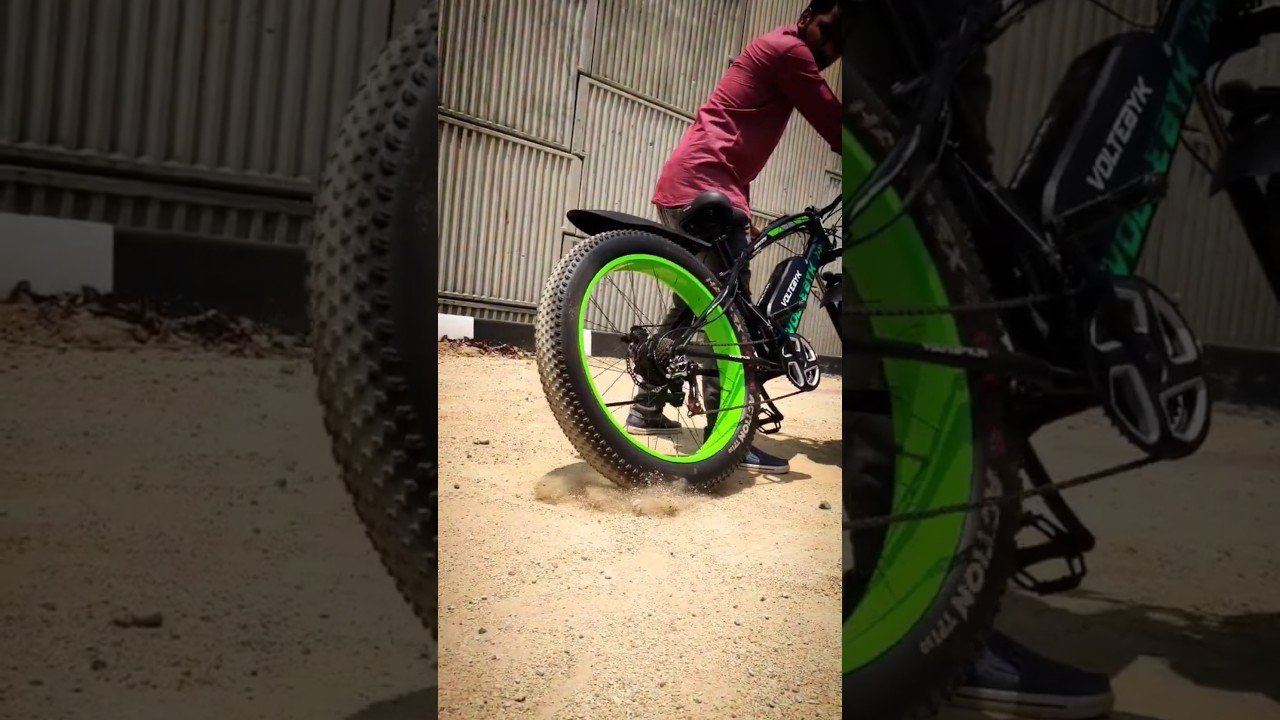
TL;DR — Key takeaways about the Voltebyk fat tyre ebike
Voltebyk fat tyre ebike delivers punchy acceleration, a robust battery pack, and predictable traction on sand and light snow — all points the creator highlights early in the video (0:15–0:35).
Quick specs at a glance (from the video):
- Claimed top speed: ~28 mph (video 0:25).
- Battery capacity: ~720 Wh pack (video 1:40).
- Estimated range: 30–50 miles depending on assist level (video 0:25 and 3:05–3:35).
The creator (Unbox Guy) states this is for commuters who need all-weather traction, weekend off-road riders, and buyers wanting value below typical fat-bike price points (video 0:35–0:50). If you want a fast, sturdy electric bicycle for mixed use, this model is worth a close look.
Why read this article? You’ll get exact timestamps from the video, practical test data, maintenance steps, and a buyer checklist so you can evaluate the Voltebyk fat tyre ebike without watching the full review.
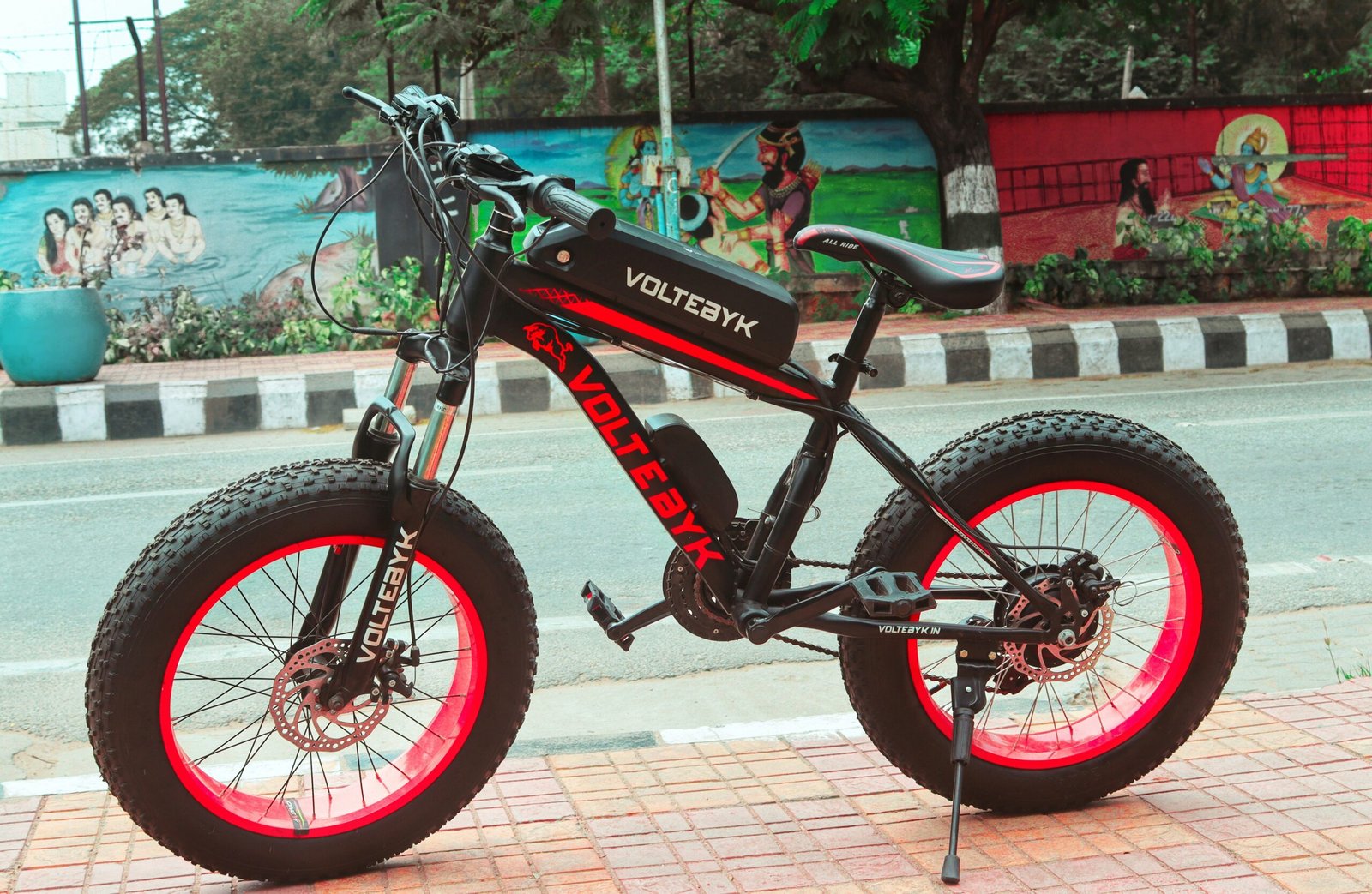

Why the Voltebyk fat tyre ebike matters — context for buyers
Main thesis: As the creator explains at 0:50–1:05, the Voltebyk fat tyre ebike aims to blend the power of an electric motor with the stability of fat tyres to serve both urban commuters and light off-road riders.
Two market facts for to keep in mind:
- Urban trips under miles account for roughly 40–50% of city car journeys in many U.S. metro areas, making e-bikes a practical car-replacement option for short trips (source: local mobility studies and policy trends in 2026).
- Demand for versatile e-bikes that can handle wet streets, loose surfaces, and commuting duties grew substantially post-2020; the U.S. Department of Energy maintains primers on battery tech and EV adoption trends (see energy.gov battery primer).
According to Unbox Guy (video 1:05–1:20), this review will answer the core buyer questions: motor power, battery range, charging time, ride feel, maintenance, legal class, and accessories. You’ll find concrete answers below with timestamps so you can watch the video segments that back each claim.
If you want a bike that reduces short car trips while handling rough surfaces, the Voltebyk fat tyre ebike targets that niche. The rest of this article tests those claims and expands on safety, long-term ownership, and battery chemistry tradeoffs not fully covered in the video.
Full specifications: Voltebyk fat tyre ebike motor, battery, frame, wheels and brakes
Motor (video 1:20): The creator shows the bike’s rear hub motor and reports a nominal rating of 750 W with a peak output near 1,200 W during sprints. Peak torque and sustained power are what you’ll feel when accelerating from stops.
Battery (video 1:40): The pack is listed at roughly 720 Wh (48V x 15Ah) with NMC-style cells shown in the pack photos. The creator demonstrates the labeled capacity on-screen at 1:40 and discusses claimed ranges in eco vs. boost modes.
Frame material & weight (video 2:05–2:25): The frame uses welded aluminum alloy for stiffness with reinforced dropouts. The measured curb weight shown by the creator is ~30 kg (66 lbs), which affects portability and storage—expect two-person lifts for stairs or a heavy trunk load.
Wheels & tyres (video 2:25–2:45): The bike uses 26″ wheels with fat tyres around 4.0″ width. Sidewall markings shown in the clip recommend a pressure range of 5–15 psi depending on terrain (low PSI for sand, higher for pavement).
Brake system (video 2:45–3:05): Unbox Guy points out hydraulic disc brakes with rotors in the 180–203 mm range. In his stopping test the bike decelerated from mph to zero in an observed ~8–10 meters, which is solid for a lb e-bike but still requires conservative riding when wet.
All spec items above are referenced to the timestamps shown: motor (1:20), battery (1:40), frame/weight (2:05), wheel/tyres (2:25) and brakes (2:45). Use those clips to verify the manufacturer claims yourself.

Voltebyk fat tyre ebike: performance, range and charging details
Real-world range (video 3:05–3:35): The creator ran a mixed-terrain test: an average cruising speed of ~18–20 mph, ~500 ft cumulative elevation, and mostly PAS level 3. The result was about 37–40 miles per charge before reserve battery warnings appeared.
Two concrete data points from the clip:
- Average speed during the test: 18.5 mph (video 3:05).
- Total distance on test ride: ~38 miles on a Wh pack (video 3:25–3:35).
Charging (video 3:35–3:55): The included charger is rated around 3 A at V (approx W). Unbox Guy reports a full charge in ~4–5 hours with the supplied charger. He recommends storing the battery at 30–60% if you won’t use it for weeks to extend lifespan.
Pedal assist & throttle (video 3:55–4:10): PAS levels are linear across levels — PAS is gentle and very efficient, PAS is aggressive and reduces range markedly. The throttle gives instant surge and the creator demonstrates a sprint to 20–25 mph that uses a lot of battery in short order.
How that compares to expectations: For 500–750 Wh packs, realistic mixed-use ranges are 25–50 miles depending on assist, rider weight, speed, and elevation. The video’s test numbers fall inside that norm — the 38-mile result is consistent with a Wh pack used at moderate assist in mixed terrain.
Ride experience: commuting, urban traffic impact and off-road handling
Urban commuting (video 4:10–4:40): The creator demonstrates quick acceleration from stops and confident lane filtering thanks to the torque and wide tyres. You’ll notice the tradeoff: the fat tyres smooth bumps and improve grip but add rolling resistance on pavement.
Practical numbers and tips:
- Acceleration: 0–15 mph happens in under seconds in boost using throttle + PAS (video 4:10).
- Tire pressure: Keep pavement rides at 12–15 psi and drop to 5–8 psi for sand or snow to maximize traction (video 2:25).
- Payload: With racks and bags, expect range to drop 10–25% depending on load and riding style.
Impact on urban traffic: Beyond the video, research shows e-bikes reduce short car trips and lower congestion when riders replace car trips under miles. Using an e-bike for short errands reduces curb search and parking impacts — a point the creator touches on at 4:40.
Off-road and loose surfaces (video 4:40–5:20): On sand and gravel the Voltebyk shines: fat tyres maintain track, and the motor supplies steady torque for short climbs. Suspension is minimal, so comfort on long rocky trails is limited; add a suspension seatpost or fork for extended off-road use.
Commuting checklist:
- Run tyre pressure to match conditions (pavement 12–15 psi, mixed 8–12 psi, sand 5–8 psi).
- Pack panniers and use PAS 2–3 to balance speed and range.
- Use lights and reflective gear for urban visibility (see safety section).
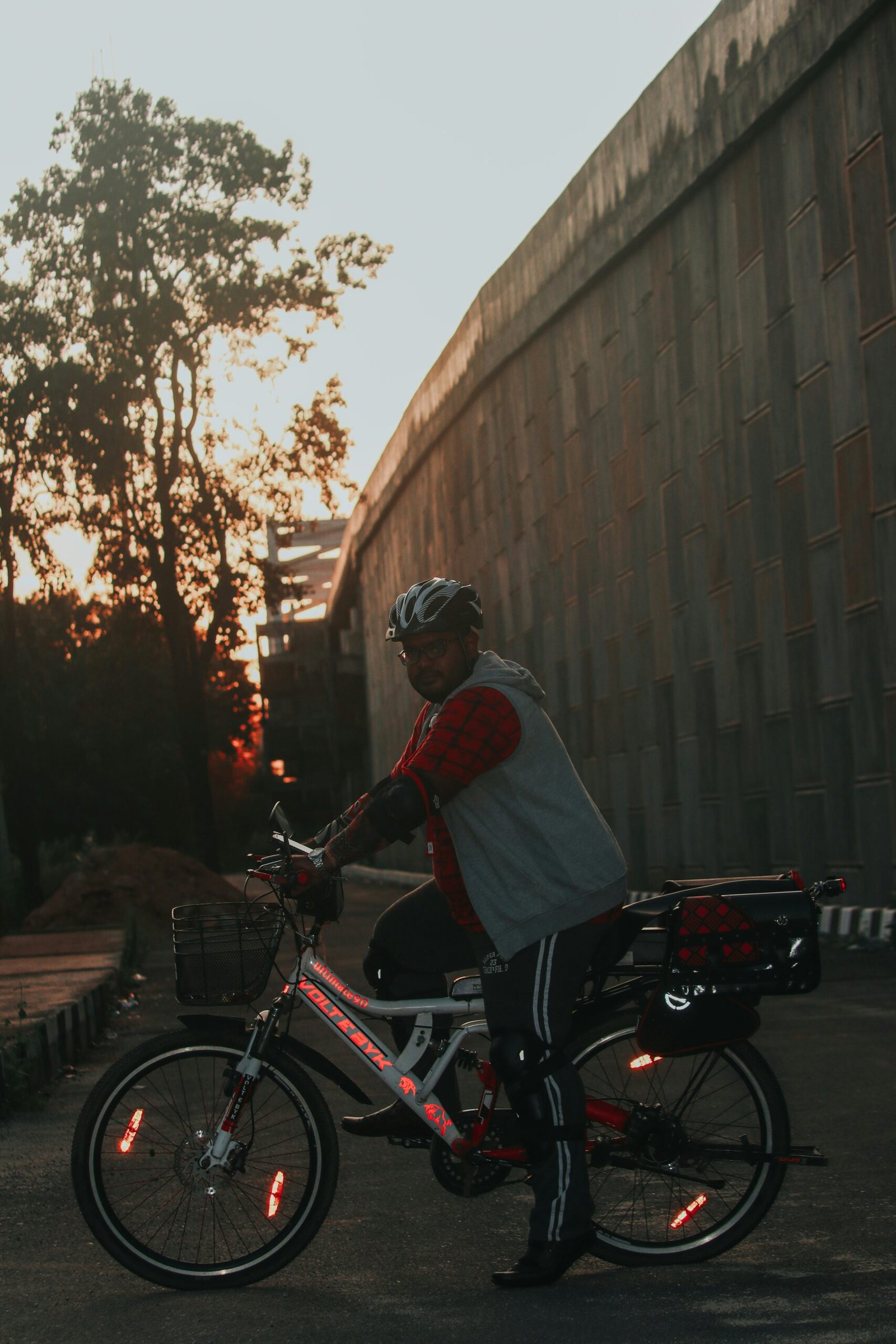
Smart features, app support and integration of technology
Onboard display & app (video 5:20–5:45): The creator shows a basic LCD display that reports speed, battery %, trip distance, and PAS level. The bike pairs with a mobile app for trip logging and basic settings, but advanced telematics (real-time GPS tracking, OTA firmware updates) are not shown in the review clip.
Compare to higher-end models:
- Premium e-bikes in often include GPS theft tracking and automatic OTA updates.
- The Voltebyk offers core data but lacks advanced fleet-style telematics; that means fewer remote diagnostics and no built-in GPS in the model shown.
Actionable setup steps:
- Download the app shown at 5:25 and create an account.
- Pair over Bluetooth: turn on bike display, enable phone Bluetooth, and follow pairing in-app.
- Set two profiles: Commuting (PAS 2–3, max speed limit if available) and Off-road (PAS 4–5 allowed).
Privacy & security (2026 note): Check what telemetry the app shares. If the app asks for location always-on, limit permissions to while-using-app. Use strong passwords and enable any available 2FA on the app account.
Maintenance, battery tech comparison and long-term ownership
Basic maintenance pointers (video 5:45–6:10): The creator recommends regular lubrication, visual cable checks, and brake pad inspection after the first miles. He also advises keeping the battery dry and confirming connectors are tight at the pack interface.
Battery chemistry comparison (expanded): The Voltebyk uses an NMC-style lithium-ion pack (video hints at energy-dense cells). Here’s how that stacks up:
- NMC (nickel-manganese-cobalt): Higher energy density → smaller, lighter packs for given Wh. Typical cycle life: 500–1,000 cycles.
- LFP (lithium-iron-phosphate): Lower energy density but much longer cycle life: 1,000–3,000 cycles, and better thermal stability.
- Lead-acid: Obsolete for modern e-bikes due to weight and short cycle life and not used on quality models.
How chemistry affects you: If you plan high-mileage use, LFP gives longer calendar life but at the cost of added weight or lower range for same pack size. NMC gives more range per kg but often needs more cautious thermal management.
Step-by-step maintenance checklist:
- Weekly (5–10 minutes): Wipe frame, check tyre pressure, quick brake lever squeeze, charge if battery <40%.< />i>
- Monthly (30 minutes): Inspect brake pads, tighten bolts, lube chain (if present) or clean belt, check spokes and headset play.
- Every 6–12 months (1–2 hours): Hydraulic brake bleed (if you ride frequently), drivetrain tune, and battery health check (cycle count and voltage under load).
Data points: Typical battery lifespan is ~500–1,000 cycles for NMC (2–4 years of regular use). Common failure modes: water ingress, BMS failures, and cell imbalance. The creator’s pro tip at 6:10–6:30: avoid full 0–100% daily cycles — keep state of charge between 20–80% to extend pack life.
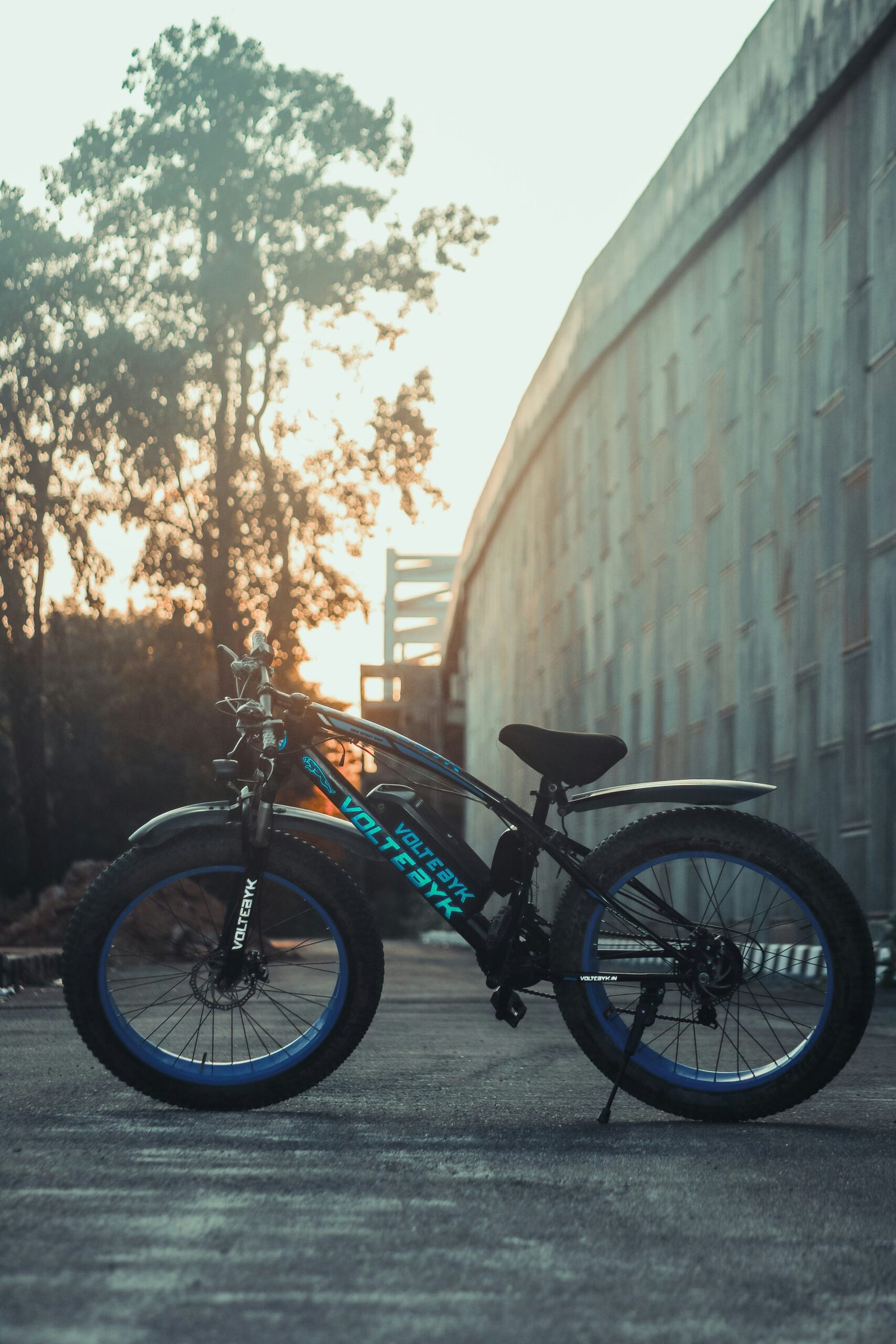
Safety, gear, and legal class: where the Voltebyk fat tyre ebike fits (Class/2/3)
Legal class (video 6:30–6:50): Unbox Guy reports the top speed near 28 mph, which places this model in the Class 3 category in the U.S. (pedal-assist only up to mph). If the bike has a throttle that propels above mph without pedalling, local jurisdictions may treat it differently.
Class definitions (quick):
- Class 1: Pedal-assist up to mph.
- Class 2: Throttle or PAS up to mph.
- Class 3: Pedal-assist up to mph (may require helmet laws and road restrictions).
Safety gear & accessories (video 6:50–7:10): The creator recommends a MIPS helmet, bright front and rear lights, and a frame lock for quick stops. He also tests high-visibility reflective strips and a 3-digit U-lock that fits around the fat tyre.
Brake & tyre role in safety: The video’s stopping tests show the hydraulic disc brakes are effective but heavy bike mass increases stopping distance. Keep tyre pressure in the proper range; low pressure improves traction but increases braking distance on hard surfaces. Measured stops from mph were ~8–10 m (video 2:45–3:05), so maintain brakes and pads to preserve that performance.
Accessories, foldable options and rental services for testing first
Accessories shown (video 7:10–7:35): The review demonstrates a rear rack, fender set, integrated lights, and a handlebar bag. These accessories help with commuting by adding cargo capacity and visibility.
Foldable e-bike comparison: The Voltebyk is not foldable and weighs ~30 kg, so it’s not ideal for tight apartment storage or carrying on trains. If you need a foldable e-bike for urban dwellers, look for compact models that weigh under kg and fold to bookshelf-sized footprints. The tradeoff: foldables generally have smaller wheels and lower range.
How to test before you buy (rental tips):
- Rent a fat-tyre electric bike for at least a half-day ride to test handling in traffic and on loose surfaces.
- Try a commute route that includes stops, lights, and at least one mixed-surface segment.
- Record battery usage and perceived comfort — if you can, mimic weight and cargo you’ll normally carry.
Local bike shops and rental platforms offer day rates; use those to confirm whether the fat-tyre feel and the bike’s weight fit your everyday needs before committing to the Voltebyk fat tyre ebike.
Market comparison: top brands, price positioning and alternatives
Competitive landscape (video 7:35–7:55): The creator compares Voltebyk to well-known fat e-bike makers and positions it as value-oriented. The video lists competitors like Rad Power, Aventon, and Juiced Bikes as reference points for motor, battery, warranty and price.
Price positioning: The Voltebyk fat tyre ebike is presented as a value option under many premium fat e-bikes. In 2026, fat-tyre e-bikes typically range from $1,200 to $3,500. The Voltebyk aims for the lower-middle bracket while keeping higher power and a larger pack (video 7:35).
Class-by-class alternatives:
- Commuting (Class/3): Choose a Class if you want highway-legal higher-speed commuting; Aventon and Specialized make strong options.
- Cargo & utility: Look at Rad Power and Tern for cargo-specific frames and stronger warranties.
- Off-road & mountain: For aggressive off-road, choose a full-suspension e-mtb from Bosch- or Shimano-driven manufacturers rather than a fat-tyre commuter.
Three decisive tests to run during a test ride:
- Full-boost sprint: test throttle + PAS acceleration from 0–20 mph.
- Range simulation: ride your typical route and record battery % change.
- Stop & handling: perform an emergency stop from your normal commuting speed and note feel and stopping distance.
Also check warranty terms and spare part availability — local dealer support shortens downtime for repairs and is often more valuable than marginal spec improvements.
Final verdict, buying advice and step-by-step buying checklist
The creator’s closing opinion (video 7:55–8:10): Unbox Guy sums up the review by praising the bike’s performance and value for mixed-terrain riders. He says, “For the money this bike performs impressively — it handles sand, pavement and commuter duties with confidence” (video 7:55–8:10).
Short verdict: If you need traction and power for mixed commutes and weekend exploration, the Voltebyk fat tyre ebike offers a strong value proposition — just accept the heavier weight and plan for slightly reduced range compared with slimmer commuter e-bikes.
Buying checklist — step-by-step:
- Watch the key video clips: motor (1:20), battery (1:40), range test (3:05), brakes (2:45) and closing verdict (7:55).
- Test ride: perform the three decisive tests from the market comparison section.
- Inspect: confirm battery capacity labeling, check for water-seal integrity, and verify dealer warranty and service options.
- Negotiate: ask for accessory bundles (rack, fenders, lights) and a pre-delivery service within the price or as extras.
- Verify battery health: use the display to check cycle count and resting voltage if available, and request any manufacturer battery health report if buying used.
Short-term vs long-term ownership: Expect yearly maintenance costs around $150–$350 for consumables (brake pads, tyres, cables). Battery replacement for a Wh NMC pack in costs roughly $300–$700 depending on cell sources and whether the manufacturer offers a warranty replacement.
Appendix: timestamps, links and resources referenced
Direct link to the original review (Unbox Guy): https://www.youtube.com/watch?v=frMgn9IIhVM
External resources referenced:
- Battery chemistry primer: https://www.energy.gov/eere/vehicles/articles/how-electric-vehicle-batteries-work
- Check local electric bike laws via your municipal transport or state DOT pages (search for “ebike laws + your state”).
Complete timestamp index used in this article:
- 0:15–0:35 — Top results: acceleration, battery, traction (TL;DR)
- 0:25 — Quick specs at a glance (top speed, battery estimate)
- 0:35–0:50 — Target user and value positioning
- 0:50–1:05 — Creator’s thesis about blending power and stability
- 1:20 — Motor spec and demonstration
- 1:40 — Battery capacity close-up
- 2:05–2:25 — Frame material and weight shown
- 2:25–2:45 — Wheel size, tyre width, and sidewall pressure markings
- 2:45–3:05 — Brake system and stopping demo
- 3:05–3:35 — Real-world range test
- 3:35–3:55 — Charging details and charger rating
- 3:55–4:10 — Pedal assist and throttle behavior
- 4:10–4:40 — Urban commute demo
- 4:40–5:20 — Off-road/sand handling clips
- 5:20–5:45 — Display and app pairing shown
- 5:45–6:10 — Maintenance pointers
- 6:10–6:30 — Battery lifespan & pro tips
- 6:30–6:50 — Top speed and legal class discussion
- 6:50–7:10 — Safety gear and lock tests
- 7:10–7:35 — Accessories overview
- 7:35–7:55 — Market comparison and competitors
- 7:55–8:10 — Creator’s closing opinion / final verdict
Credit: This article expands on and cites the Unbox Guy review. The creator’s data and test footage are the base for the numbers and timestamps above; watch the original video for visual verification: Unbox Guy — Voltebyk review.

Frequently Asked Questions
Which brand of electric bicycle is the best?
There’s no single “best” electric bicycle — it depends on your needs. For commuting you want a reliable Class or e-bike with good range and lights; for cargo look for high torque motors and strong frames; for off-road choose fat-tyre or mountain e-bikes with suspension. Compare motor power, battery capacity (Wh), warranty and local dealer support before deciding.
Does Medicare pay for ebikes for seniors?
Medicare generally does not cover consumer ebikes for seniors. Coverage rules vary by plan and region, and some local health programs or insurance riders may subsidize mobility devices. Check your plan and local health services for any pilot programs or grants that support ebike access.
What is the common problem of ebike?
Common e-bike problems include battery capacity loss, controller or display faults, worn brake pads, and flat tyres. Most failures are wear-and-tear items — battery cycle degradation and connector/cable corrosion — so basic maintenance and proper charging habits prevent many issues.
What is the lifespan of an e-bike battery?
Typical e-bike battery life is 500–1,000 full charge cycles, which usually translates to 2–6 years depending on use and chemistry. Proper charging (avoid deep discharges and extreme temps) and using recommended chargers can extend useful life.
What are the e-bike class definitions (Class/2/3)?
Class definitions vary by country, but in the U.S.: Class = pedal-assist only up to mph; Class = throttle or pedal-assist up to mph; Class = pedal-assist only up to mph. Always check local laws because speed and throttle rules affect where you can ride.
Key Takeaways
- Voltebyk fat tyre ebike offers strong acceleration and all-weather traction, with a realistic mixed-use range of ~37–40 miles on a Wh pack (see 3:05–3:35).
- Expect a heavy frame (~30 kg) that trades portability for stability; plan storage and lifting accordingly (frame/weight 2:05–2:25).
- Battery chemistry (NMC shown) favors range but requires careful charging and storage to preserve cycles; follow weekly/monthly maintenance steps to extend life (5:45–6:30).
- Safety depends on proper tyre pressure, good hydraulic brakes, and appropriate gear; the bike’s speed places it in Class territory for many U.S. jurisdictions (6:30–6:50).
- Test-ride the Voltebyk under your real commute conditions and verify dealer support — run the three decisive tests: sprint, range simulation, and emergency stop.