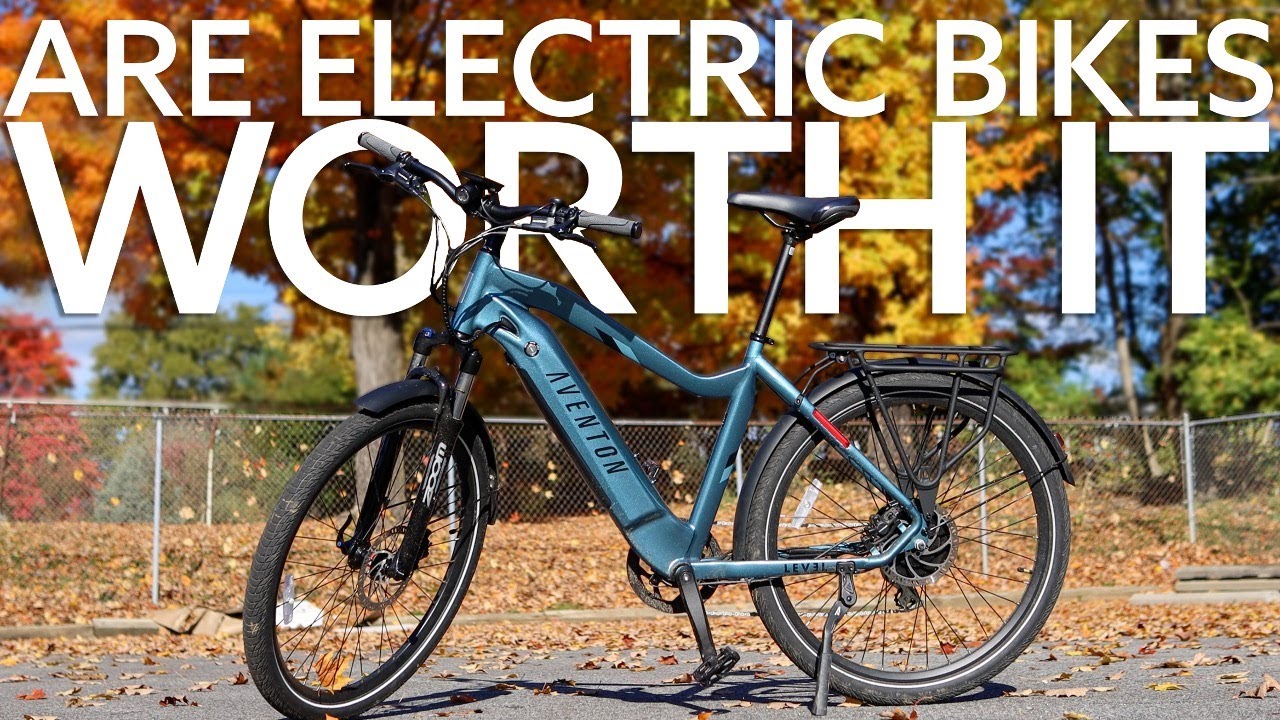
Electric bicycles are changing how you commute, exercise, and carry cargo, offering pedal-assist up to 28+ mph to flatten hills and make longer trips and heavier loads feel easier. You’ll get a clear look at the e-bike revolution, the benefits and risks, a hands-on review of the Aventon Level 2, and practical fixes like removable batteries, torque sensors, lights, and walking assist that address common concerns.
By the end, you’ll know whether the higher upfront cost is worth it for your commuting, cargo, or fitness goals and how trade-offs like weight, theft risk, and range factor into the decision. If you value longer rides, hill-climbing, and less sweaty commutes, the Aventon Level 2 and similar e-bikes might be exactly what your routine needs.

The e-Bike Revolution
Electric bikes have shifted from niche gadgets to mainstream transportation options, and you’ve probably noticed more of them on streets, bike lanes, and in front of workplaces. This revolution blends tech, transport, and lifestyle: batteries, motors, and apps are changing how you think about distance, hills, and daily errands. In many places e-bike sales and visible use have surged in the last few years, driven by better components, lower prices on entry models, and a cultural push toward greener, more flexible commuting.
Overview of recent growth in e-bike adoption
You’ve likely seen the statistics: e-bike adoption has grown rapidly, outpacing many other personal mobility categories. Cities and suburbs are filling with commuters, parents, and recreational riders choosing electric assistance over cars for short- to mid-length trips. Manufacturers are producing more models across price points, and retailers and bike shops are expanding service options to support rising ownership.
Factors driving popularity in cities and suburbs
You adopt e-bikes for practical reasons: they make commutes quicker and less sweaty, they let you carry groceries or a child seat without struggling, and they get you around congested areas faster than a car in many cases. Urban infrastructure improvements, like more bike lanes, plus the convenience of charging at workplaces and at home, also encourage uptake. In suburbs, e-bikes broaden the realistic range for errands and leisure rides, turning trips you’d normally drive into pleasant bike journeys.
Demographic trends and who is switching to e-bikes
E-bike riders are a diverse group. You’ll find younger commuters, middle-aged parents hauling kids or cargo, and older adults who want to keep cycling without taxing their bodies. Adoption skews toward people who value convenience, time savings, and flexibility, and increasingly includes people who previously avoided cycling due to hills, distance, or fitness concerns.
Impact on urban mobility and traffic patterns
As you and more people switch to e-bikes, traffic patterns change: car trips under a few miles often vanish, congestion eases in some corridors, and peak transit loads may shift. You might notice more mixed traffic in bike lanes and intersections, which raises planning questions for cities but also opens opportunities to reduce local car trips and parking demand.
Environmental and sustainability implications
When you choose an e-bike over a car for short trips, you reduce per-trip emissions, energy use, and parking footprint. Even accounting for battery production, e-bikes tend to be far more environmentally efficient than cars. Wider adoption can help cities decarbonize transport, especially for trips that are too short for cars to be practical but too long for non-assisted cycling.
How e-Bikes Work
You don’t need to be an engineer to understand the basics of an e-bike. At its core, an e-bike pairs a conventional bicycle drivetrain with an electric motor, battery, and control system that works with — or sometimes instead of — your pedaling. The combination gives you a variable boost based on your inputs and the bike’s settings.
Types of motors and typical placements (hub vs mid-drive)
Motors are typically placed in the hub of either the front or rear wheel, or at the bottom bracket as a mid-drive unit. Hub motors are simpler and often cheaper; they provide smooth, consistent assistance and are common on commuter-style models. Mid-drive motors sit near the pedals and drive the bike through the chain, which gives better hill-climbing performance and a more natural-feeling power delivery. If you want to tackle steep terrain and maintain efficient gearing, you’ll likely prefer a mid-drive setup.
Power delivery: pedal-assist versus throttle
Most e-bikes use pedal-assist, meaning the motor scales support as you pedal; that keeps you active and helps meet many legal definitions of e-bikes. Throttle-controlled systems let you engage power without pedaling, similar to a scooter. Throttles are convenient for starts or walking the bike, but in some jurisdictions they change how the bike is classified legally and where you can ride.
Sensors explained: cadence sensors versus torque sensors
Cadence sensors detect that you’re pedaling and provide a fixed level of response, which can feel less nuanced but is cost-effective. Torque sensors measure how hard you press the pedals and deliver proportional assistance, creating a more natural riding experience and better exercise feedback. If you want your e-bike to feel like “amplified pedaling” and retain an honest workout, pick one with a torque sensor.
Battery, controller, and display basics
The battery stores energy, the controller interprets input from sensors and your throttle, and the display shows speed, battery level, assist mode, and sometimes navigation. You’ll interact with these daily: choosing assist levels from the display or an app, checking range, and monitoring battery health. A well-integrated display and controller make the system intuitive and allow you to fine-tune performance.
Speed settings, class configurations, and app controls
E-bikes come with configurable speed limits and assist profiles. Many models let you choose assist levels on the fly and adjust maximum speeds through an app. That’s handy if you want a stricter limit for trail compliance or a higher top speed on private roads. Understanding class settings (Class 1–3) is essential so you can configure the bike to meet local rules and use the bike where you intend.

Benefits of Electric Bicycles
If you’re considering an e-bike, the upsides are practical and pleasurable: you’ll go farther, haul more, and spend less time arriving sweaty at your destination. E-bikes extend the range of what’s feasible by pedal power and can integrate into daily life in ways traditional bikes commonly can’t.
Making hills and headwinds manageable
Hills and headwinds that used to deter you now become manageable. With the motor’s help, climbs feel easier and headwinds less punishing, which means you’re less likely to avoid routes or substitute a car just to skip a tough segment.
Carrying cargo and children with less effort
You can carry cargo, groceries, or a child seat without dramatically increasing effort. The motor compensates for weight, so trips that would be awkward on a conventional bike become routine. That’s a game-changer if you commute with a child or frequently transport bulky items.
Commute advantages: faster trips and less sweating
E-bikes make commuting faster, often more reliable, and less physically taxing—meaning you arrive at work fresher. You might shave time off your commute, skip transit transfers, and avoid the hassle of parking. Less sweating also expands where you can ride in business attire without changing.
Extending workout distance and intensity with assistance
Assistance doesn’t cancel exercise — it can extend it. You’ll often ride longer distances and maintain higher average speeds, which lets you accumulate more time in the saddle. If your bike has a torque sensor, you can still get a meaningful workout by choosing lower assist modes.
Avoiding traffic and parking hassles
You’ll save time avoiding traffic jams and hunting for parking. E-bikes fit through congested corridors, use bike lanes in many cities, and require less space to park. This convenience is often the main reason people replace short car trips with e-bike rides.
Health and wellness benefits compared to car travel
Compared to driving, e-bikes increase your daily physical activity, lower stress from driving, and improve mental well-being from outdoor time. Even with assistance, cycling contributes cardiovascular benefits, boosts mood, and reduces sedentary behavior — making it a healthier choice than most car trips.
Drawbacks and Risks
No mode of transport is perfect. E-bikes bring trade-offs you should weigh: higher cost, added weight, theft risk, and safety concerns that intensify at higher assisted speeds.
Higher upfront cost compared to conventional bikes
E-bikes cost more than traditional bikes due to batteries and motors. Expect to pay a premium for quality components, integrated systems, and features like torque sensors or removable batteries. You’ll need to decide if the convenience and capabilities justify the price.
Increased weight and storage challenges
Batteries and motors add weight, making e-bikes heavier and harder to lift, carry, or store in tight spaces. If you need to carry your bike upstairs or put it on public transit regularly, the extra mass becomes a practical concern.
Theft risk and implications for parking and security
E-bikes are valuable and attractive to thieves. You’ll want to plan secure parking, invest in high-quality locks, and consider alarms or GPS trackers. Locking properly and choosing secure storage reduces risk but never eliminates it entirely.
Safety concerns at higher assisted speeds
Higher speeds change how you ride and how others respond. E-bikes that assist up to 28+ mph (class 3) can close gaps with traffic faster than standard bikes, increasing collision risk if you’re not prepared. You’ll need to adjust braking, cornering, and situational awareness for the added performance.
Range anxiety and battery limitations
Batteries have finite range, and real-world distance depends on many variables. You may worry about running out of charge mid-trip. Developing charging habits, carrying a spare battery if possible, and understanding your bike’s realistic range helps manage that anxiety.
Potential for reduced exercise if over-relying on motor
If you choose maximum assist all the time, you’ll reduce the exercise benefit. However, you control assist levels: using lower modes or a torque-sensor bike preserves effort and fitness gains while still providing assistance when needed.
e-Bike Classes and Legal Considerations
Understanding class definitions and local laws keeps you on the right side of regulation and helps you use your e-bike where you want to ride.
Definitions of class 1, class 2, and class 3 e-bikes
Class 1 e-bikes provide pedal-assist up to 20 mph with no throttle. Class 2 e-bikes have a throttle and provide assistance up to 20 mph. Class 3 e-bikes offer pedal-assist up to 28 mph and may include a throttle in some regions, though throttle availability and legality vary.
Typical speed limits and motor-power distinctions
Speed limits and motor power (often measured in watts) vary by class and jurisdiction. Class distinctions relate to maximum assisted speed and whether the motor operates only when you pedal. Understanding these limits helps you comply with local rules and safely select a bike for your intended use.
Regional and national law variations to watch for
You must check local laws: where you live, e-bike definitions, allowed bike lanes, helmet requirements, and age limits can differ substantially. Some places restrict Class 3 e-bikes from multi-use trails or require higher safety gear for faster models.
Registration, licensing, and insurance considerations
In a few regions, high-power or high-speed e-bikes may require registration, a license, or insurance, though most typical commuter e-bikes do not. Check local requirements before purchasing, as compliance affects where and how you can ride legally.
Rules for bike lanes, trails, and shared-use paths
Rules about which classes can use bike lanes or trails vary. Many jurisdictions allow Class 1 and 2 in bike lanes and on most multi-use paths, while Class 3 may be restricted. Trail agencies often set their own rules, so confirm before you ride on protected paths.
Cost and Value Proposition
Deciding if an e-bike is worth it for you involves comparing upfront costs, operating expenses, and intangible benefits like time savings and enjoyment.
Breaking down upfront purchase cost and features
Upfront e-bike costs range widely. Entry-level commuter models are affordable, while premium bikes with mid-drive motors, torque sensors, and large batteries cost more. Factor in accessories like racks, fenders, lights, and upgraded locks when tallying the total purchase price.
Operating costs: electricity, charging, and maintenance
Operating costs are low: electricity for charging is inexpensive, often only pennies per charge. Maintenance is modestly higher than a standard bike because of additional components and heavier wear on brakes, tires, and drivetrain. Still, these costs are far below car fuel, insurance, and parking.
Comparing cost per mile to cars and public transit
On a per-mile basis, e-bikes are significantly cheaper than cars and often cheaper than public transit for the same convenience and speed on short trips. If you replace regular car trips or ride-share trips, you’ll see substantial savings over time.
Incentives, rebates, and financing options
Many places offer incentives, rebates, or tax credits for e-bike purchases, and retailers commonly provide financing. Check local programs and dealer financing to reduce upfront cost. Even without incentives, the long-term savings on transport can justify the purchase.
Resale value and total cost of ownership
Quality e-bikes hold value relatively well, especially models with good brand support and removable batteries. Total cost of ownership includes purchase price, maintenance, batteries replacements, and accessories — plan for some battery replacement expense over years of use.
When an e-bike is financially worth it
An e-bike becomes worth it when it replaces frequent short car trips, reduces transit costs, saves on parking, or unlocks commutes you wouldn’t otherwise take by bike. If you value time savings, fitness, and flexibility, the investment often pays off in convenience and lower recurring costs.

Batteries and Range
Batteries are the heart of the e-bike experience. Understanding capacity, lifespan, and charging practices helps you avoid surprises and extend battery life.
Battery capacity metrics and how to interpret them
Battery capacity is measured in watt-hours (Wh). The higher the Wh, the more energy stored and the further you can ride per charge. Compare Wh ratings across models rather than amp-hours or volts alone to get a real sense of potential range.
Real-world range factors: rider weight, terrain, assist level
Range estimates vary widely: your weight, cargo, terrain, wind, temperature, and chosen assist level all affect range. Manufacturer claims are often optimistic; expect real-world distances to be lower, especially on hilly routes or high assist settings.
Charging habits and best practices for longevity
Charge regularly and avoid deep discharges when possible. Store batteries in moderate temperatures and avoid leaving them fully depleted for long periods. Partial charges are fine; modern lithium batteries don’t need full cycles to stay healthy.
Advantages of removable batteries and spare batteries
Removable batteries let you charge at your desk, at work, or indoors where you can’t bring the whole bike. Having a spare battery extends range dramatically for long commutes or multi-day trips and reduces range anxiety.
Battery lifespan, replacement cost, and recycling
Battery capacity degrades over years and charge cycles. Expect a meaningful reduction in range after a few years; replacement batteries cost several hundred dollars depending on capacity and brand. Responsible recycling programs exist for lithium batteries, and many manufacturers or local facilities accept old batteries.
Safety and Theft Prevention
Keeping yourself and your bike safe requires both proactive riding habits and smart security investments. You’ll want systems in place for visibility, protection, and recovery.
Essential visibility and lighting features for safety
Bright front lights, rear lights, and reflective gear are essential, especially on faster e-bikes or in urban traffic. Good lighting improves your visibility and helps others judge your speed and distance.
Recommended protective gear and riding practices
Wear a properly fitting helmet, and consider gloves and protective eyewear. Practice defensive riding: anticipate openings from parked cars, manage speed into corners, and leave extra stopping distance given your bike’s increased mass.
Speed management and anticipating mixed traffic situations
Control your speed in congested areas and be mindful when sharing space with pedestrians, scooters, or slower cyclists. Use lower assist modes in tight areas and signal clearly when passing or turning.
Effective locking strategies and high-security locks
Use a heavy-duty U-lock combined with a secondary cable or chain to secure wheels and frame to immovable objects. Lock through the frame and a wheel, and lock in well-lit, busy areas. Consider anchoring your bike in secure parking or indoor storage when possible.
Using alarms, GPS trackers, and secured parking options
Alarms, GPS trackers, and immobilizers increase your chances of recovering a stolen bike. Some e-bikes integrate tracking or allow aftermarket trackers. Secure parking — bike rooms, monitored racks, or valet storage — reduces theft risk dramatically.
Bike insurance and registering serial numbers
Insurance can cover theft and damage if your bike is expensive or you commute with it daily. Record the serial number, keep purchase receipts, and register the bike with local registries to aid recovery and claims if theft occurs.
Maintenance and Repairs
E-bikes share many maintenance tasks with traditional bikes, but added electrical components and extra weight mean some differences in care and cost.
Routine maintenance tasks unique to e-bikes
You’ll need to check electrical connections, keep the battery charged appropriately, and watch for software updates. Regular inspections of the motor housing and wiring protect long-term reliability.
Motor and battery care versus traditional bikes
Motors are generally low-maintenance but should be serviced by qualified technicians if issues arise. Batteries require storage care and periodic checks for swelling or damage; replacements are an expected eventual cost.
Tire, brake, and drivetrain upkeep for heavier loads
The extra weight and speed mean tires wear faster and brakes see more demand. Use puncture-resistant tires, brake pads rated for heavier loads, and keep the drivetrain well-lubed and adjusted to handle torque.
Finding qualified e-bike mechanics and service centers
Look for bike shops that advertise e-bike service or have manufacturer certifications. If your brand has authorized service centers, they’ll know software updates and warranty procedures. Developing a relationship with a trusted shop is valuable.
DIY repair options and when to seek professional help
You can handle many basic tasks — tire changes, brake adjustments, and routine cleaning — yourself, but motor, controller, and battery issues are best left to professionals. If you’re unsure, consult a mechanic to avoid voiding warranties.
Expected maintenance costs over time
Expect somewhat higher maintenance costs than a traditional bike, mainly from faster wear on brakes and tires and potential battery replacement over years. Still, costs are usually far lower than car maintenance and can be budgeted annually.
Conclusion
E-bikes balance compelling benefits with practical trade-offs. If you want to go farther, carry more, commute without sweating, or replace short car trips, an e-bike can be a transformative investment — but weigh price, storage, and legal considerations.
Concise summary of key benefits and trade-offs
You gain speed, cargo capacity, and accessibility with e-bikes, while trading off higher upfront cost, greater theft risk, and added weight. They’re a strong choice if you value convenience, time savings, and greener transport for short to mid-length trips.
Checklist to decide if an e-bike is right for you
Consider these questions: Will it replace car trips for short distances? Do you need to carry kids or cargo frequently? Is storage secure where you live? Are local laws supportive? Can you afford the initial cost? If you answered yes to several, an e-bike is likely worth it.
Important legal and practical considerations before buying
Check your local regulations for class restrictions, helmet requirements, and trail access. Plan for secure parking and consider theft prevention. Decide whether you want removable batteries, torque sensors, or throttles based on legal and personal preferences.
How to evaluate models and prioritize features
Prioritize battery capacity (Wh), motor type (mid-drive vs hub), sensor type (torque vs cadence), removable battery convenience, and integrated safety features like lights and locks. Test-ride models at various assist levels to feel how they deliver power and handle weight.
Final takeaway on whether e-bikes are worth it
E-bikes can be worth it if they replace car trips, expand your cycling range, or make daily life easier. They’re not just a tech toy — they’re practical transport that can save you time, money, and stress while improving your health. If you’re ready for fewer parking worries, easier hills, and more enjoyable commutes, an e-bike is likely a great fit for your lifestyle.
Aventon Level2 👉
Today, e-bikes can assist you up to 28+ mph, they can flatten hills, make carrying cargo (e.g. child seat) easier, and can make for a fun workout or a convenient commuter, but are they really worth it?
Follow me on social media! (it’s always just @mikeobrienn)
Instagram: / mikeobrienn
Twitter: / mikeobrienn
TikTok: / mikeobrienn
About me:
Please comment below with any questions you might have. Thank you all for watching! I appreciate you!
TIMESTAMPS:
ADDITIONAL REVIEW NOTES:
Perhaps the most underrated mode of transport
Rewards:
Easier to bike farther, with more cargo, and up bigger hills
Can commute without a car and don’t get sweaty
Large battery can power lights, meters, and display
Can bring larger cargo such as a child seat without getting too difficult to pedal
Go further and faster on your workouts
Get into a city quickly and easily without traffic
No parking concerns
Healthier than most alternatives – reduces the barrier of biking. Further destinations can still be bikeable. With this, you are more likely to say “I’ll bike there”
Looks cool
You won’t get passed by a fat man on an ebike barely pedaling
Downsides:
Getting the bike stolen
Safety at higher speeds and with heavier bike
Storage/Weight – cannot carry it around
Range
Laws
Bike does all the work, and you get no exercise
Aventon solutions
Lockable battery
Incredible headlight
Removable battery means you can have a spare if needed
Removable battery means you can lock your bike at work and charge it under your desk during the day
Tail lights/brake lights help others to see you on the road
Walking assist mode helps you walk the bike around and up hills if it is too heavy for you
Torque sensor instead of cadence sensor allows for better exercise, while not compromising the concept of an ebike (also throttle is optional)
Currently a class 3, but you can adjust the speed limit in the app
You can legitimately get a workout with this bike if you want to
Are ebikes worth it?
This is significantly more expensive than a cheap bike, but allows you to tackle large hills, go further distances, bring heavier cargo, commute to work without sweating, or get a tough workout in with more distance covered and therefore more scenery enjoyed. If you are going to get an ebike, I personally love the Aventon Level 2.
Disclaimer: This video is purely based on my experiences, research, and opinions. You and only you are responsible for your actions. I made this channel to advise viewers and I truly hope to help you all out. I love making these videos and connecting with my viewers!
One or more of the products shown in this video may have been sent to me at no cost. This does not influence my opinions; I always cover both pros and cons.
This channel is monetized via YouTube ads as well as some affiliate links. If a purchase is made after clicking the link, I will receive a small commission at no extra charge to the buyer. Thank you all for watching!
