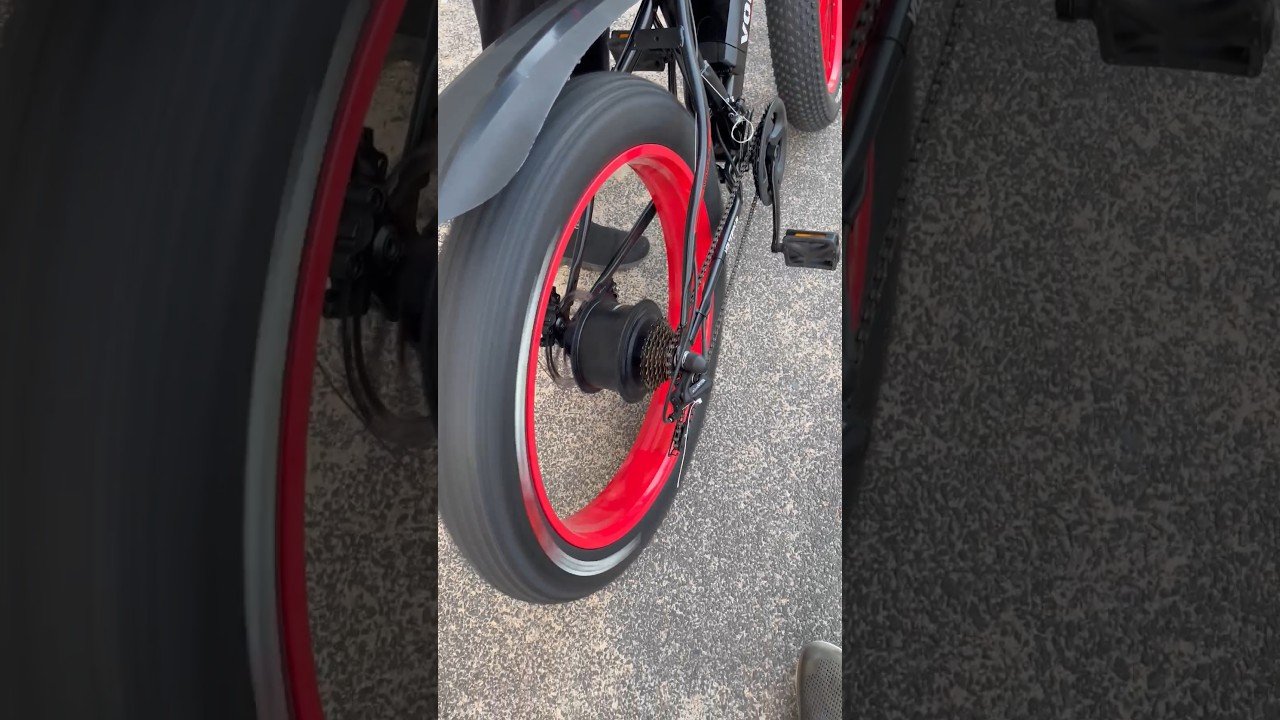
https://www.youtube.com/watch?v=4dF9nkthOlc Summary: Voltebyk Fat Tyre Electric Bike Review — India Guide
If you’re considering a fat tyre electric bike for Indian roads, trails, sand, or heavy-duty daily commuting, the Voltebyk featured by Unbox Guy on YouTube deserves a serious look. This article turns the short video into a more practical buyer’s guide, pulling out the most useful demonstrations, adding buying context for India, and explaining what the bike appears to do well in real riding.
According to Unbox Guy, the Voltebyk stands out because it combines the visual presence of a fat bike with usable power and strong traction. The creator doesn’t just list specs; the video shows hill climbing, load carrying, braking, and off-road handling, which gives you more confidence than a brochure ever could. That matters in as more Indian buyers compare utility e-bikes, beach cruisers, and rugged commuter builds in the same price band.
You’ll find timestamp-based takeaways, maintenance advice, legal checks for India, and a realistic breakdown of who should buy this bike and who shouldn’t. Where the video gives demonstrations rather than full data sheets, this guide explains how to interpret those cues before spending your money.

TL;DR — Key takeaways about this fat tyre electric bike
The short version is simple: Unbox Guy calls the Voltebyk one of the best fat tyre electric bikes for India at 7:10, and the overall tone of the review supports that claim. The strongest reasons are visible rather than theoretical. The bike appears stable under load, capable on loose surfaces, and confident on climbs where ordinary e-bikes often lose momentum or rear-wheel grip.
From the spec callouts and visual walkthrough, the key details arrive early in the video. At 1:05, 2:10, and 3:45, the creator highlights the motor, battery, speed, and claimed range. As demonstrated in the video, those numbers matter less than how the bike behaves on mixed terrain. You’re not just buying wattage on paper; you’re buying traction, torque feel, and how much speed the bike can hold when the surface turns rough.
- Quick verdict: A strong option if you want a utility-focused or adventure-style e-bike with more grip than a standard commuter.
- Best use cases: Off-road trails at 4:45, beach or sand riding at 5:20, and urban riding with heavier loads or bigger riders at 3:30.
- Most convincing proof: Hill climbing at 4:00 and load/stability testing at 5:50.
If your roads are smooth and your rides are short, a lighter city e-bike may be more efficient. But if your daily route includes potholes, broken shoulders, or slippery patches, this fat tyre electric bike format starts to make a lot more sense.
Main thesis: Why the Voltebyk stands out as a fat tyre electric bike
The core argument in the video arrives fast. At 0:45, the creator explains that the Voltebyk stands out because of its combination of traction, usable power, and practical all-terrain ability for Indian conditions. That’s a more meaningful claim than saying it simply looks aggressive. Plenty of bikes have fat tyres; fewer actually use that footprint well enough to justify the added weight and drag.
According to Unbox Guy, the value here comes from how the bike responds when conditions stop being ideal. The hill-climb demo around 4:00 matters because climbing loads the motor continuously rather than in short bursts. Then the load-focused segment around 5:50 adds another layer: the bike appears to maintain composure and speed without becoming twitchy. For Indian buyers carrying groceries, a backpack, tools, or a pillion load equivalent in cargo, that’s far more useful than a flat-road speed run.
The brief comparison around 3:30 also helps frame the bike’s place in the market. The creator implies that some alternatives may offer speed or lighter handling, but they don’t deliver the same planted, confidence-heavy feel. In practical terms, this means the Voltebyk may suit riders who prioritize:
- Grip over outright efficiency
- Stable handling over quick steering
- Rough-road comfort over minimalist weight
That trade-off is worth understanding before you buy. A fat tyre electric bike isn’t universally “better.” It’s better for a specific kind of rider: someone who wants reliability on inconsistent surfaces and doesn’t mind a slightly heavier ride feel in return.

Detailed specs and build quality of the fat tyre electric bike
The visual inspection segment gives you a good first read on how the Voltebyk is put together. At 1:10, the frame appears designed around the needs of a wide-tyre, battery-powered platform rather than a normal cycle retrofitted with a hub motor. That matters because frame geometry, weld quality, and weight distribution all affect stability once you add a large battery and chunky tyres. The bike looks substantial, and that usually means more confidence over rough surfaces, though it also means lifting and stair-carrying will be harder.
Motor details come in around 1:25. The creator mentions wattage and references strong pulling performance, which is backed up later by the climb and load segments. If you’re comparing e-bikes, don’t stop at the watt number. Ask the seller for:
- Continuous vs peak motor power
- Peak torque figure
- Controller voltage/current setup
- Whether throttle and pedal assist are both supported
Battery discussion appears at 2:10, where the video points to capacity and charging practicality. A removable battery is a real advantage in Indian apartments and office setups because you can charge indoors without hauling the whole bike. If the pack is around the common utility e-bike range, your usable energy will often be enough for short commutes, errand runs, and weekend rides, but actual output depends heavily on tyre pressure and terrain.
The tyres themselves are central to the bike’s identity. At 1:40, the tread and width suggest a setup in the 4–5 inch range, which is ideal for loose dirt, gravel, and sand. Low pressure increases contact patch and comfort, while higher pressure improves urban efficiency. As the video shows, this isn’t just styling; it changes how the bike behaves on every surface you ride.
Performance: real-world range, speed, and power delivery on this fat tyre electric bike
The most useful part of any e-bike review is what happens away from the spec sheet. At 3:45, Unbox Guy shares the range perspective, and the implication is familiar to anyone who has tested electric two-wheelers: claimed range and real-world range are not the same thing. A fat tyre electric bike usually pays a range penalty because wider tyres increase rolling resistance, especially if you keep them soft for comfort or off-road use.
Top-speed footage around 3:10 gives you a better feel for actual road performance than a printed brochure number. Speedometer clips and acceleration runs help show whether the bike reaches its top speed smoothly or struggles in the final few km/h. That difference matters. A bike that gets to km/h quickly often feels better in traffic than one that eventually reaches km/h but takes too long to get there.
The real proof of motor tuning comes later. At 4:00 and 5:50, the creator demonstrates how the bike behaves under continuous stress: inclines, rough ground, and added weight. As demonstrated in the video, the motor appears to deliver power consistently instead of surging once and fading. That’s exactly what you want if you ride flyovers, village inclines, or poor roads where momentum drops often.
To get the best real-world performance, follow this checklist:
- Use higher tyre pressure for city riding to reduce drag.
- Reserve the lowest pressure for sand or trails, not daily pavement.
- Avoid repeated full-throttle launches if you want longer range.
- Check rider plus cargo weight against what the bike comfortably handled in the video, rather than relying only on the listed max load.
The takeaway is clear: this bike seems designed to hold usable speed and traction in imperfect conditions, not just post flattering numbers in perfect ones.
Ride comfort, handling and off-road capability of the fat tyre electric bike
If you’re shopping for a fat tyre electric bike, ride feel matters just as much as motor output. At 5:05 and 5:40, the video gives useful clues about comfort and suspension character. Even without a highly complex suspension setup, fat tyres themselves act like a second layer of cushioning because the large air volume smooths out chatter, corrugations, and small pothole edges. That can make a basic suspension fork feel more effective than the spec sheet suggests.
Cornering and straight-line stability are shown around 4:45 and 5:15. According to Unbox Guy, the wider contact patch improves confidence on loose or uncertain surfaces. You’ll notice the bike doesn’t behave like a nimble road bicycle. Steering is slower, and that’s normal. The reward is a planted feel that can be reassuring for newer riders, larger riders, or anyone dealing with broken roads and unpredictable shoulders.
The off-road sections at 8:00 and 8:20 are especially useful because they show the bike on sand, gravel, and small jump-style impacts. That doesn’t automatically make it a hardcore MTB replacement, but it does show that the platform can take more than just cosmetic trail posing. The creator’s riding suggests the bike is happiest when you use it as a rugged explorer rather than a race machine.
- Best for: Beach paths, dirt roads, gravel, farm roads, mixed-surface commutes
- Less ideal for: Tight urban weaving, carrying upstairs, efficiency-focused riders
- Key comfort benefit: Lower fatigue on rough surfaces over 10–20 km rides
If your current cycle feels harsh and unstable on bad roads, this is where the Voltebyk’s format can make a visible difference.
Battery care, charging, and long-term maintenance
Battery ownership is where many first-time e-bike buyers either save money or shorten pack life without realizing it. The charging discussion at 2:30 and battery handling at 2:10 are valuable because they move beyond glamour shots. As the creator explains, practical charging matters: where you charge, how often you top up, and whether the battery is removable can shape daily convenience more than peak speed ever will.
If the battery is removable, that’s a major advantage in India. You can charge indoors during heavy heat, avoid exposing the charger to dust or rain, and store the pack more safely. The video also hints at expected charging time, which is important for trip planning. A pack that takes several hours to refill is fine for overnight charging, but less ideal if you need a quick turnaround between work and evening use.
Maintenance guidance around 6:40 and 6:55 is refreshingly practical. According to Unbox Guy, routine checks should focus on tyre pressure, brakes, and storage discipline. For a bike like this, use the following schedule:
- Before every ride: Check tyre pressure by feel and inspect brake response.
- Weekly: Wipe dust from drivetrain and battery contacts; inspect cable routing.
- Monthly: Check spoke tension, pad wear, rotor rub, and axle security.
- Every 3–6 months: Review battery health, charger condition, and sidewall wear.
Seasonal storage matters too. Don’t leave the battery fully drained for long periods, and don’t park the bike for weeks in direct sun. Those small habits do more for long-term ownership cost than any accessory upgrade.
Safety, brakes, and legal considerations in India for fat tyre electric bikes
Brakes are easy to ignore in flashy e-bike marketing, but the stop matters as much as the go. Around 6:05, the creator shows braking performance and the hardware fitted to the bike. Whether the Voltebyk uses mechanical or hydraulic discs in the reviewed configuration, the important buyer question is consistency under weight. A fat bike usually weighs more than a standard bicycle, and once you add battery mass, rider weight, and cargo, your braking system has to manage significantly more momentum.
That’s why the demonstration is useful. As demonstrated in the video, the bike appears stable under braking rather than nervous or skittish. Wide tyres can help here too, especially on dusty roads or gravelly edges, because they provide more grip before the wheel locks. Still, you should test the brakes yourself before buying and ask the seller about:
- Rotor size
- Pad type and replacement availability
- Cable vs hydraulic service needs
- Spare parts support in your city
Legal checks in India matter even more in because buyers are increasingly mixing low-speed and high-speed e-bikes in the same search results. The video cues around 6:20 suggest confirming whether the bike falls under an exempt low-speed category or requires registration and related compliance. Before paying, verify the invoice spec, top speed, and motor classification with the seller. For model and purchase context, check the official brand presence if available and compare listings on Indian e-bike marketplaces such as Voltebyk and retailer platforms like Flipkart electric bicycle listings.
During the stunt riding at 8:00 and 8:25, the creator also reinforces a simple point: wear protection, choose open space, and don’t copy jumps on public roads.
Accessories, customization and stuntability
The walkaround section around 1:55 suggests that the Voltebyk isn’t just about the basic bike. Included equipment like lights, fenders, or rack-ready mounting points can change the ownership experience a lot. If you’ll use the bike for commuting, utility accessories matter more than cosmetic parts. Mudguards keep monsoon splash under control, integrated lights improve visibility, and a rear carrier can turn a fun weekend bike into a genuine errand machine.
At 7:40, the creator mentions upgrade paths, and that’s one of the more interesting parts of the review. According to Unbox Guy, there’s room to personalize the bike depending on whether you want comfort, utility, or more aggressive trail use. Smart upgrades for Indian riders include:
- Puncture-resistant tubes or tyre liners for rough roads
- Brighter rechargeable lights for early morning or night riding
- Phone mount and horn for city use
- Rear rack or delivery carrier if you carry bags regularly
- Better pedals and grips for control on wet or sandy surfaces
The stunt and jump clips at 8:00 show the bike’s playful side. Still, there’s a difference between being stuntable and being designed for repeated abuse. If you want to imitate the creator’s small-jump setup, keep the modifications sensible:
- Check tyre pressure before attempts so you don’t bottom out the rims.
- Inspect spokes and axle tightness after rough sessions.
- Use flat, open terrain instead of roads or crowded areas.
- Upgrade contact points first, not the motor, if control is your goal.
The video shows that the Voltebyk has enough composure for light tricks and playful riding, but it makes the most sense as a rugged multipurpose machine rather than a dedicated stunt platform.
Price, value proposition and where to buy a fat tyre electric bike in India
Price is where a lot of fat-bike curiosity turns into actual purchase intent. Around 7:00, the creator gives the value judgment that frames the Voltebyk as a strong buy for what it offers. That verdict carries more weight because it comes after the hill, range, and rough-surface demonstrations, not before them. If a bike looks good on camera but fails under load, value disappears quickly. Here, the opposite seems to be true.
Service and support are just as important as headline pricing. At 7:30, the video touches on dealer backup and spare parts. That’s crucial in India, where a lower upfront price can become expensive if brake pads, tubes, battery servicing, or controller parts are hard to source. Before you buy, ask these five questions:
- What is the written battery warranty period?
- Who handles service in my city?
- Are tyres, tubes, brake pads, and chargers locally available?
- Is the battery proprietary or replaceable with standard-format packs?
- What does the claimed range assume in terms of speed and rider weight?
If the answers are vague, walk away. A fat tyre electric bike is a better purchase when it has parts support and clear warranty terms, not just flashy styling. For buying options, start with the original video link and channel description, then compare listings on the official brand site and trusted Indian sellers. Useful starting points include the original Unbox Guy video, the Unbox Guy channel, and Voltebyk’s website.
If your budget allows only one bike and your roads are rough, the Voltebyk’s value case looks stronger than a cheaper but less capable commuter model.
FAQ — People also ask about fat tyre electric bikes
Search interest around fat e-bikes in India usually comes down to four things: road suitability, real range, legality, and maintenance. The video by Unbox Guy gives useful on-bike clues for each, especially through the terrain, hill, and braking segments. Rather than treating the Voltebyk as a generic electric cycle, it helps to think about your own route profile.
If your weekly riding includes smooth urban roads only, a lighter model may be a better fit. If your route includes broken tarmac, dust, gravel, slopes, or beachside use, the strengths shown in the video become much more relevant. The common mistake is buying a fat bike for the look and then being surprised by the lower efficiency. Buy it because you need the grip and comfort.
The FAQ below answers the most common buying questions using cues from the video and practical ownership advice for India. Treat the legal answer especially carefully, because exact compliance depends on the variant sold in your market and how the seller classifies the bike.
Conclusion and next steps before you buy
The Voltebyk comes across as more than a flashy social-media e-bike. The strongest evidence in the review is the combination of hill climbing, load stability, rough-surface confidence, and a general sense that the motor and tyre setup work together rather than fighting each other. As demonstrated in the video, this is the kind of bike that makes sense when your local conditions are messy, mixed, and unpredictable.
The creator explains why it feels like a top pick for India: it addresses real riding problems. Wide tyres help with sand, gravel, and broken edges. The power delivery appears usable rather than gimmicky. And the bike looks versatile enough for commuting, leisure riding, and light trail fun. That said, you should still buy with your eyes open. This style of bike will usually be heavier, less efficient than a slim commuter, and slightly slower-steering in tight traffic.
Your next steps are straightforward:
- Watch the original video at the cited timestamps before making a decision.
- Confirm legal classification and warranty in writing from the seller.
- Ask for battery, brake, and tyre replacement costs before paying.
- Test ride on rough pavement, not just inside a showroom.
- Set tyre pressure for your actual use case on day one.
If those checks go well, the Voltebyk looks like a compelling choice for riders who genuinely need the strengths of a fat tyre electric bike in India.

Frequently Asked Questions
Is a fat tyre electric bike good for Indian roads?
Yes, a fat tyre electric bike can make a lot of sense on Indian roads if your routes include broken tarmac, loose gravel shoulders, village roads, beach stretches, or monsoon-damaged surfaces. As demonstrated in the video at 4:45 and 5:20, the wider tyres help the Voltebyk stay planted where narrower commuter tyres would skip or sink. You still need to manage tyre pressure carefully, though, because running very low pressure on pavement can increase drag and make steering feel slower.
What range can you expect from the Voltebyk?
According to Unbox Guy’s mixed-use test at 3:45, the real-world range lands below the optimistic brochure claim but remains practical for daily use. Your exact result depends on rider weight, tyre pressure, terrain, and how often you use full assist or throttle. If you ride with moderate assist, maintain proper pressure, and avoid repeated hard accelerations, you can usually get closer to the upper end of the bike’s usable range.
Do fat tyres reduce efficiency?
Yes, fat tyres usually reduce efficiency compared with narrower tyres because they create more rolling resistance and add weight. The creator explains around 5:15 that tyre pressure makes a noticeable difference: lower pressure improves grip on sand and rough ground, while higher pressure helps on city roads. If you want better range, inflate for the surface you actually ride most often instead of leaving the tyres soft all the time.
Is this e-bike legal to ride on Indian roads?
That depends on the exact motor output and top-speed classification of the specific variant you buy. The video cues around 6:20 suggest you should verify whether the bike falls under India’s low-speed exemption category or requires registration and other compliance. Before purchasing in 2026, check the seller’s documentation, invoice details, top-speed spec, and whether the model is sold as a low-speed or high-speed e-bike.
How much maintenance does a fat tyre e-bike need?
Maintenance is moderate rather than excessive. The video highlights simple but important checks at 6:40 and 6:55: tyre pressure, brake condition, battery handling, and storage habits. Because a fat tyre electric bike carries more tyre volume and often sees rougher use, you should inspect fasteners, rims, brake pads, and sidewall wear more often than you would on a lightweight city cycle.
Key Takeaways
- Unbox Guy’s review positions the Voltebyk as one of the best fat tyre electric bikes for India because it combines traction, load stability, and usable motor performance.
- The most persuasive parts of the video are the hill climb, rough-surface ride, and load test, which show how the bike performs beyond brochure specs.
- This bike makes the most sense for rough roads, sand, trails, and heavy-duty commuting, but it will be less efficient than a lighter urban e-bike.
- Before buying, verify battery warranty, spare-parts availability, braking hardware, and the exact legal classification of the version sold in India.
- Set tyre pressure for your terrain, maintain brakes and battery carefully, and test ride the bike on realistic surfaces rather than smooth showroom flooring.
