?Have you ever wondered how fast a Magnum electric bicycle can actually go—and what affects that top speed?

What Is The Top Speed Of A Magnum Electric Bicycle?
You’ll find that the top speed of a Magnum electric bicycle isn’t a single number. It varies by model, motor configuration, control firmware, regional regulations, and real-world riding conditions. In general, most Magnum e-bikes sold in the U.S. will reach between about 20 and 28 mph (32–45 km/h) under motor assist, while models sold or set up to meet European rules will be limited to roughly 15.5 mph (25 km/h). You’ll want to check the specific model specs and local laws before assuming any particular number.
Short answer you can use right away
You can expect a typical Magnum e-bike to top out near 20–28 mph if it’s a U.S. model built to higher motor outputs and Class 3 specifications; in jurisdictions with stricter e-bike laws (EU/UK), the motor-assisted limit will usually be about 15.5 mph (25 km/h).
How manufacturers and regulations influence top speed
The advertised top speed often depends on whether the bike is configured and certified for a particular legal class. Manufacturers like Magnum will adjust motor output, firmware limits, and sometimes gearing to meet regional requirements. You’ll see U.S.-market e-bikes often capable of higher assisted speeds because the rules allow Class 3 models, while EU models restrict continuous assistance to 250 W and assistance up to 25 km/h by law.
Table: Typical regulatory top-speed limits by region
| Region / Classification | Motor-assisted speed limit (typical) | Notes |
|---|---|---|
| United States (Class 1 & 2) | 20 mph (32 km/h) | Class 1 = pedal-assist only; Class 2 = throttle or assist. |
| United States (Class 3) | 28 mph (45 km/h) | Class 3 = pedal-assist only, higher top speed; state rules vary for use. |
| European Union / UK | 15.5 mph (25 km/h) | Motor typically limited to 250 W continuous; throttle often disabled by law. |
| Canada | 20 mph (32 km/h) | Provinces may vary; equipment rules apply. |
| Australia / New Zealand | 15.5 mph (25 km/h) | Typically 250 W and 25 km/h (pedelec) standard. |
Typical top speeds for Magnum e-bikes (what you’ll see in practice)
When you look across the Magnum lineup, you’ll notice patterns rather than a single fixed figure. Many models use hub motors in the 500–750 W range for U.S. models, and those can propel the bike to roughly 20–28 mph on flat ground with moderate rider power. European-styled or road-legal versions will be restricted to about 15.5 mph.
You should treat any published “top speed” as an estimate under ideal conditions—no headwind, level pavement, moderate rider weight, and a fully charged battery.
Examples of practical top-speed ranges
- 15–16 mph (24–26 km/h): Typical for EU/UK-limited models and conservative Class 1 setups.
- 20 mph (32 km/h): Common target for many U.S. Class 1/2 e-bikes and for legal throttle operation in many places.
- 24–28 mph (38–45 km/h): Achievable for U.S. Class 3 or higher-powered U.S. configurations with stronger motors and higher-voltage batteries.


What determines the top speed on a Magnum e-bike?
You’ll gain a clearer idea of what affects top speed by breaking it into components: motor power, battery voltage, controller/firmware, gearing, rider input, terrain, weight, and aerodynamics. Each factor contributes to how quickly you can go and how long that speed can be sustained.
Motor power and torque
Higher-watt motors can produce greater torque and maintain higher speeds, especially on inclines. You’ll find that a 500 W motor gives solid assistance for city riding, while 750 W or higher motors (common in some U.S. models) will let you reach and sustain higher speeds more easily.
Battery voltage and capacity
Higher voltage systems (e.g., 48V vs 36V) often allow the motor to spin at higher RPMs with more sustained power. Capacity (Wh) doesn’t directly increase top speed but affects how long you can maintain it before voltage sag reduces performance.
Controller and firmware
The controller limits how much current the motor can draw and how the power is delivered. Manufacturers often limit top speed in firmware to comply with legal categories. If firmware or controller settings restrict output, you’ll hit that electronic ceiling regardless of motor capability.
Gearing and drivetrain
Although many e-bikes rely heavily on the motor, your gear selection still matters. Efficient cadence at higher speeds can make a difference, so mechanical gearing and the bike’s overall drivetrain efficiency influence achievable speed.
Rider weight and cargo
More mass requires more energy to accelerate and maintain speed. Heavier riders or loaded cargo will reduce the top speed you can maintain under battery assistance or with throttle.
Terrain, wind, and road surface
Uphills and wind will lower top speed significantly. Smooth, flat pavement is where you’ll see top numbers; rough surfaces and headwinds will drop those numbers fast.
Tire size and pressure
Bigger tires and higher pressure reduce rolling resistance (to a point), while knobby tires raise drag. Proper inflation helps you maximize speed and efficiency.
Throttle vs. Pedal Assist: which affects top speed?
How the motor is engaged matters. You’ll find two common systems on Magnum bikes: throttle (Class 2) and pedal-assist (Class 1/3). Throttle gives immediate power at the twist of your wrist and can reach top speed independent of pedaling, while pedal-assist scales power with your pedaling effort and usually has set PAS levels.
With throttle, the motor may be able to push the bike up to the controller’s maximum permitted speed even if you aren’t pedaling. With pedal-assist, you’ll need to pedal to reach and sustain the motor-limited top speed, but the assistance can let you maintain higher cadence and speed without as much physical exertion.
PAS levels and how they matter
Most e-bikes let you select PAS levels (e.g., 1–5). Higher PAS levels supply more motor assistance and will enable faster acceleration and higher sustainable speeds. However, higher levels also drain the battery faster and may heat the motor/controller more quickly.
Legal and safety implications of altering top speed
If you change firmware, remove limiters, or upgrade components to push top speed beyond legal limits, you risk making the bike a motor vehicle under local laws. That can require registration, licensing, insurance, or different road access. You’ll also increase risks to your personal safety—higher speeds demand better brakes, improved stability, and additional protective gear.
You should check local rules before making mechanical or firmware changes, and consider the insurance and liability consequences if you modify the e-bike beyond its certified specifications.

How to measure your Magnum e-bike’s top speed accurately
If you want to know your actual top speed, measure it rather than rely on quoted specs. You can use GPS-based bike computers, smartphone apps (that use GPS), or a calibrated wheel sensor and bike computer. Each approach has pros and cons: GPS is usually accurate on straight, open roads but can lag or jump; wheel sensors are precise if properly calibrated but depend on correct wheel circumference input.
Steps to measure:
- Choose a straight, flat, safe stretch of road with minimal traffic.
- Fully charge your battery and warm the motor/drivetrain by riding a short distance first.
- Use the highest PAS level or throttle setting you intend to test.
- Record speed with GPS and a bike computer simultaneously if possible.
- Repeat the test a few times and average the peak speeds to account for variation.
Real-world examples: expected speeds under different conditions
You’ll get different results depending on conditions. Here are example scenarios that illustrate what to expect on a typical mid-to-high-power Magnum e-bike in the U.S.:
- Flat road, light rider (65–75 kg), no wind: 25–28 mph in high assist/PAS 4–5 or throttle.
- Flat road, heavier rider (90+ kg), light headwind: 20–23 mph in the same settings.
- Moderate 5% hill, light rider: 12–18 mph depending on assist level.
- Steep 10%+ hill: Speed may drop to walking pace unless you’re using very high power or pedaling hard.
These are illustrative; your bike, battery state, and motor specs will shift the numbers.
Speed vs. range: how going faster drains your battery
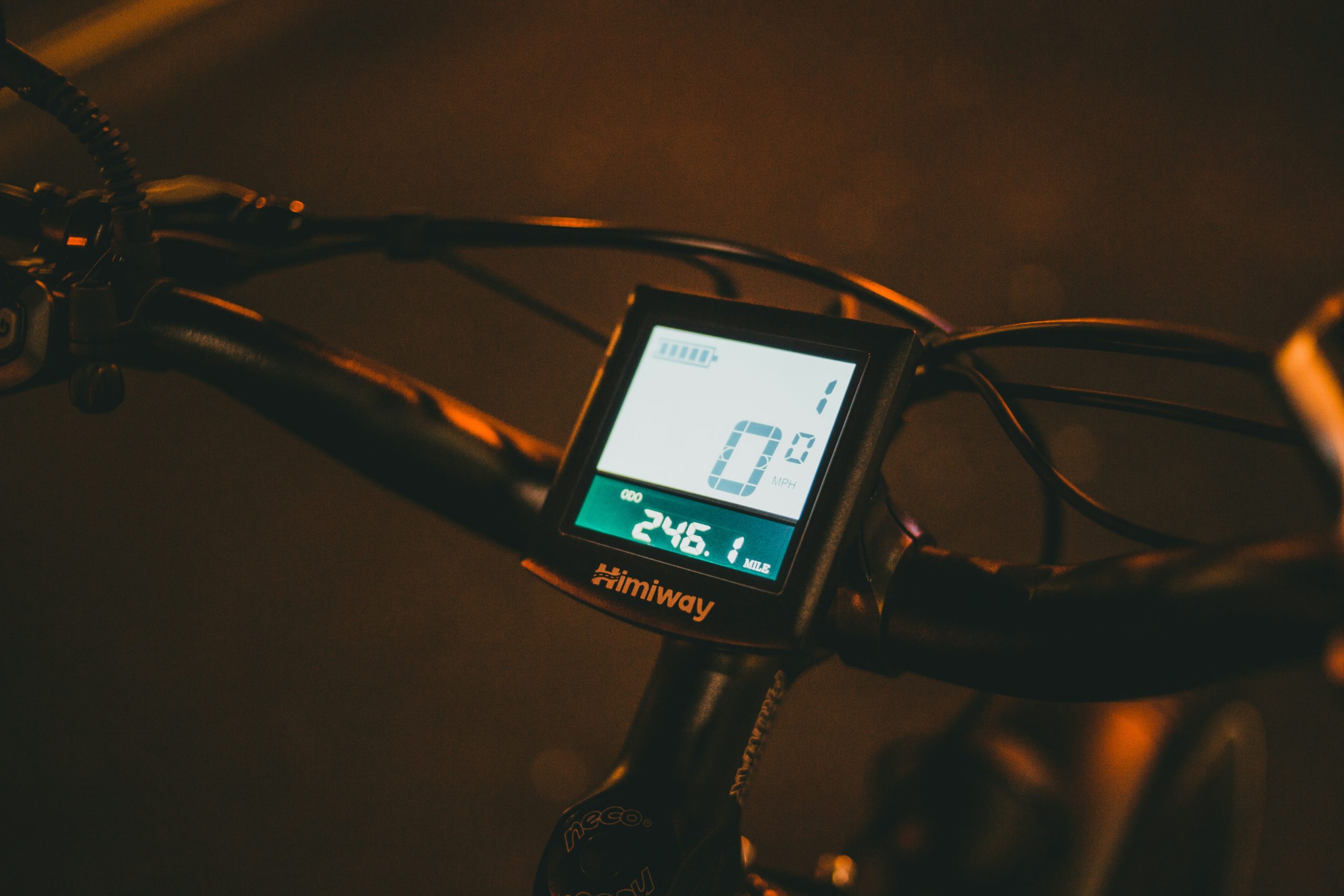
You’ll use energy quadratically with respect to speed due to aerodynamic drag. That means small increases in speed cause disproportionately large increases in power draw. If you ride at twice the speed, your power demand from aerodynamic drag increases by about four times (ignoring other factors). Practically, this means that going from 15 mph to 25 mph can reduce your effective range by a large percentage.
Table: Example effect of speed on relative battery consumption
| Riding speed (mph) | Relative energy drain (approx.) | Effect on range |
|---|---|---|
| 12–15 | 1.0 (baseline) | Longest range in real-world conditions |
| 18–20 | 1.6–2.0 | Noticeably reduced range (20–40% less) |
| 22–28 | 2.5–4.0 | Range reduced substantially (40–70% less) |
These are rough multipliers to illustrate the principle. Actual numbers depend on weight, wind, tire rolling resistance, and motor/controller efficiency.
Upgrades and modifications: can you increase top speed?
Technically, yes—you can increase top speed by installing a higher-voltage battery, changing the controller, adjusting firmware, or swapping to a different motor. But you should weigh performance gains against legality, safety, and warranty concerns. Modifications can void warranties, trip legal limits, increase wear on components, and demand stronger brakes and better tires.
If you pursue upgrades, do so with a certified mechanic and obey local laws about motorized vehicles.
Safer modification options
- Improve aerodynamics (clothing, riding posture).
- Reduce weight where reasonable (lighter rack, fewer items).
- Maintain drivetrain to reduce mechanical drag (lubricate chain, keep components adjusted).
- Upgrade tires to lower-rolling-resistance models if compatible.
Braking, stability, and equipment needed at higher speeds
If you plan to travel at the upper end of a Magnum e-bike’s capability, ensure your bike’s brakes, wheels, and frame are rated and in good condition. Higher speeds increase the force on brakes and the heat generated during repeated stops. You’ll want hydraulic disc brakes in good working order, robust wheelsets, and properly torqued fasteners.
Also consider required safety gear: a quality helmet rated for higher-speed impacts, gloves, eye protection, and high-visibility lighting for night riding. Some jurisdictions may require a helmet for higher-class e-bikes.
Maintenance tips to preserve top speed and performance
You’ll get the best and most consistent top speeds if you keep your e-bike well maintained. Follow a maintenance schedule for key items that affect mechanical efficiency:
- Keep tires inflated to the recommended pressure for riding speed and load.
- Lubricate and adjust the chain to reduce friction and wear.
- Check brake alignment to prevent drag.
- Inspect wheel bearings, headset, and hubs for free spin.
- Ensure the battery contacts are clean and the battery is maintained per manufacturer instructions.
- Update firmware only with manufacturer-recommended software to avoid improper modifications.
Safety practices when riding at high speeds
You’re more vulnerable at higher e-bike speeds than on a conventional bicycle; braking distances are longer and impacts are more severe. Adopt these habits to reduce risk:
- Anticipate traffic and scan ahead to avoid sudden braking.
- Use both brakes smoothly for controlled stopping.
- Shift weight back slightly during high-speed descents to maintain stability.
- Use appropriate protective gear and ensure lights/reflectors are fitted for visibility.
- Practice high-speed handling in a safe, low-traffic area to build confidence.
Insurance and legal considerations if you increase speed capability
Modifying your bike or riding above legal limits may reclassify it as a motor vehicle in the eyes of regulators. That can require licensing, plates, and insurance where previously none were required. Always check state and local statutes before altering the electronics or power delivery. If you plan to frequently use higher speeds in traffic, consider liability insurance and understand how an accident claim could be affected by a modified e-bike.
How to choose the right Magnum e-bike for your speed needs
Decide how and where you’ll ride. If you want commuter speeds on roads with faster-moving traffic, a Class 3 Magnum model (or one rated for 28 mph assistance) might be appropriate—provided local rules allow you to use bike lanes and roads. If you ride primarily in areas with strict pedal-assist limits or on mixed-use trails, an EU-style or Class 1 model limited to 15.5–20 mph may be the safer, more legal choice.
Consider battery range, motor torque, terrain, and weight. If you’ll be climbing hills or carrying cargo, prioritize torque and battery capacity over raw top speed.
Common questions you might have
-
Will a higher motor wattage always give me a higher top speed?
- Not necessarily. Wattage relates to power, but speed is also limited by controller settings, gearing, and law. If the controller or firmware limits RPMs, higher wattage may only improve acceleration and hill performance rather than top speed.
-
Can you unlock higher speeds by tweaking settings?
- Some controllers and displays allow configuration changes, but unlocking speeds can be illegal and dangerous. It can also void warranties and increase wear.
-
How much slower will my top speed be when I carry a passenger or cargo?
- Expect a noticeable reduction—often 10–30% depending on added weight and terrain. Hills amplify the effect.
Summary and practical takeaways
You’ll find that the top speed of a Magnum electric bicycle depends on model configuration, local regulation, and riding conditions. For U.S. models you can generally expect 20–28 mph under motor assist; in Europe and countries with stricter rules, expect about 15.5 mph. Many factors affect actual speed: motor power, battery voltage, controller settings, PAS level, terrain, rider weight, wind, and maintenance.
If you want the fastest legal, safe ride from your Magnum:
- Choose the correct model for your region and riding environment.
- Keep the bike well maintained to preserve mechanical efficiency.
- Measure real-world speeds using GPS or a calibrated speedometer.
- Avoid illegal or unsafe modifications that could jeopardize your warranty, safety, or legal standing.
- Equip yourself with appropriate safety gear and ensure your brakes and tires are up to the task.
If you tell me which Magnum model you have or plan to buy, and where you’ll be riding, I can give more specific expectations for top speed, range estimates at various PAS levels, and recommended setup or upgrades to safely meet your needs.
